
Vandaag of morgen in huis

Kwaliteit gegarandeerd

Welkomstaanbiedingen ontgrendelen: GRATIS bezorging | Tot 80% korting | Gratis 30 dagen JoyPlus-proefperiode
Download de app
A facial cleanser may seem like a straightforward product, but the differences between a facial cleanser, a foaming face wash and a gel cleanser are significant. A product that leaves oily skin feeling pleasantly clean can cause tightness or dryness on dry or sensitive skin.
Marketing claims can also be confusing. Terms like “deep pore cleansing”, “whitening” or “acne care” don’t automatically tell you how a formula will fit into your daily routine. The following checklist will help you avoid a bad purchase.
A tight or dry feeling after washing is sometimes seen as proof that a facial cleanser is working well. However, it can also mean the formula is too drying for your skin. Pay attention to how your skin feels after a few minutes, not just immediately after rinsing.
For dry or sensitive skin, a gentle facial cleanser with hydrating ingredients is often a better choice. Oily or combination skin, on the other hand, can benefit from a foaming facial cleanser, as long as it doesn’t consistently leave a tight feeling.
A product may claim to help remove sebum and impurities or refine the appearance of pores. Pores don’t disappear permanently from a face wash. Instead, look for verifiable information such as the texture, size, ingredients list and recommended usage.
For example, the Kao Biore Pore Refiner states that the foam is designed to remove dirt, oil and impurities and help refine the appearance of enlarged pores. That’s a product claim; results can vary from person to person.
A product description saying it’s suitable for all skin types is not a personal suitability statement. Sensitivity to fragrance, alcohol, certain preservatives or exfoliating ingredients varies from person to person. Always check the current ingredients list on the packaging, especially if you have sensitive skin.
A foaming facial cleanser is not automatically milder or stronger. The overall formula and how often you use it determine the effect on your skin’s feel.
Look at the ingredients list rather than just the front of the packaging. Glycerin, hyaluronic acid or other humectants, for example, are found in hydrating facial cleansers. Fragrance and certain scents may be less suitable for some users.
The Shiseido Senka Creamy Foaming Facial Cleanser lists ingredients including glycerin, sodium hyaluronate, sericin and hydrolysed silk. The product information also mentions fragrance, alcohol and sodium metabisulfite. If you react sensitively, it’s wise to check the full list beforehand.
Also pay attention to terms like “medicated”, “acne care” or “quasi-drug”. The Fancl Acne Care Washing Cream is described as a quasi-drug product. That’s a product classification and not a reason to treat cosmetic claims as medical treatment. For persistent skin issues, advice from a doctor or dermatologist is more sensible.
The size varies in the range from around 90 g to 200 ml. A smaller tube can be handy to try first, while a larger size may work out more economical for daily use. Check:
Use lukewarm water, massage without rubbing hard and rinse thoroughly. If you experience redness, irritation or discomfort, stop using the product.
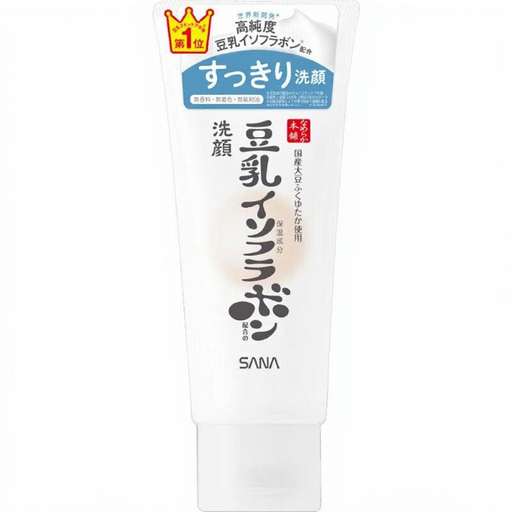
Why this fits the profile: A foaming facial cleanser of 150 g for anyone looking for a simple daily face wash with a light texture.
The product description mentions cleansing without a heavy feel. If you have sensitive skin, do check the ingredients on the packaging.
150 g size, foaming texture and soya extract according to the product information.
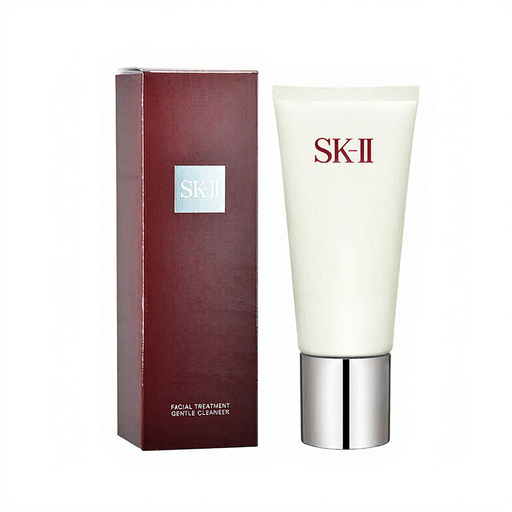
Why this fits the profile: Suitable for anyone looking for a gentle facial cleanse with amino acids and a creamy application.
The description positions the product as a gentle cleanser; check for fragrance and other ingredients if you have known sensitivities.
120 g size; amino acids, glycerin and sodium cocoyl hydrolysed protein are listed.
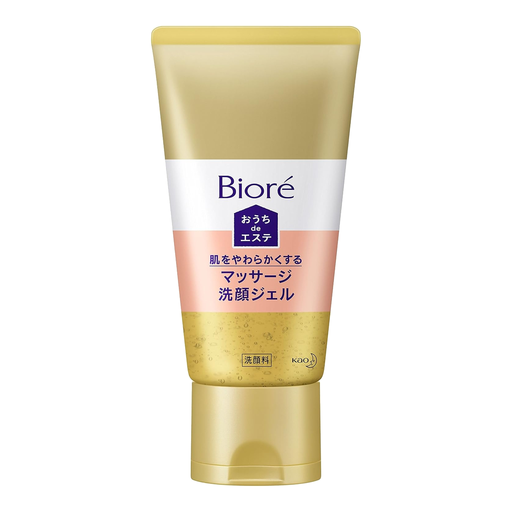
Why this fits the profile: A practical choice for users with oily or combination skin who enjoy a rich foam.
The description mentions daily use and a gentle foam, but a pore claim is not a permanent change to the skin.
150 g size; product description mentions removal of excess oil, dirt and impurities.
We’ve put together a full, up-to-date list of products that fully meet these strict selection criteria and comply with current European safety regulations.
First, dampen your face and use a small amount. With a foaming facial cleanser, it’s best to lather the product in your hands. Gently massage the foam over your face without pressure and rinse with lukewarm water.
If you wear make-up or water-resistant sunscreen, you may need a separate first cleansing step. A regular face wash doesn’t always remove every type of make-up or filter completely. Pat your skin dry with a clean towel and then apply your usual skincare.
A facial cleanser for acne may be targeted at skin with impurities according to the product description, but it doesn’t replace medical treatment. If you have reactive skin, test it carefully first and stop if irritation occurs.
For many people, once in the evening and possibly again in the morning is sufficient. For dry or sensitive skin, twice a day may feel too intensive. Adjust the frequency based on how your skin feels, your make-up use and the product instructions.
That depends on the size and the amount you use per wash. A 150 g tube typically lasts longer than a 90 g size with economical daily use, but the actual duration varies from person to person. Also check the expiry and batch information on the packaging.
A Japanese facial cleanser is not automatically suitable or unsuitable for sensitive skin. Look at the full ingredients list, fragrances, alcohol and usage warnings. Products like Curel are described in the product information as targeting sensitive or dry skin, but individual reactions are still possible.
