
Vandaag of morgen in huis

Kwaliteit gegarandeerd

Welkomstaanbiedingen ontgrendelen: GRATIS bezorging | Tot 80% korting | Gratis 30 dagen JoyPlus-proefperiode
Download de app
A facial cleanser might seem like a simple product, but the difference between a comfortable daily routine and a tight, dry feeling often comes down to the formula. A cleansing gel, face wash, foaming facial cleanser, cleansing balm or micellar water each has a different use and a different effect.
If you only go by words like "deep cleansing", "natural" or "glow", you could easily buy a product that doesn't suit your skin. So pay close attention to the ingredients list, the texture, how to use it and the size of the packaging.
A strongly foaming cleanser can feel nice, but lots of foam doesn't automatically mean your skin is being cleaned more thoroughly. A formula that leaves your skin feeling tight or dry after rinsing may be less comfortable for some people to use every day.
Instead, look at the type of cleanser and the surfactants. Ingredients like glycerine, betaine or certain mild amino acid-based cleansers can suit a routine where comfort matters. Also check whether the product contains fragrance or essential oils if you're looking for a cleanser for sensitive skin.
Plum water, tea tree oil, rice extract, hyaluronic acid or salicylic acid sound appealing, but the ingredient alone doesn't tell you how your skin will react. The effect depends on factors such as the concentration, the full formula and how often you use it.
According to a brand's own research, certain ingredients may contribute to a particular skincare goal. That's no guarantee for every user. If you have sensitive skin, try a small amount first and stop if you experience redness, itching or a stinging sensation.
A gel cleanser is practical for morning and evening, but it doesn't always remove make-up or water-resistant sunscreen in one step. A cleansing balm is often more practical for that. Micellar water can be handy for a quick cleanse or removing make-up, but always follow the usage instructions on the label.
Pay attention to whether you should use the product on a dry or damp face. A cleansing balm is typically massaged onto dry skin first. A gel or foam cleanser is usually used with damp hands and lukewarm water.
The ingredients list is in descending order of quantity. If you have dry or sensitive skin, look for a formula that doesn't contain unnecessary irritating fragrances. Products with tea tree oil, citrus oil, perfume or active acids may be less suitable for some people.
A cleanser for oily skin should remove excess sebum, but doesn't need to dry out the skin severely. With a cleanser for acne-prone skin, it's wise not to automatically combine acids like salicylic acid with other exfoliating products every day., for example, lists 0.5% salicylic acid in the Salicylic Acid Daily Gentle Cleanser. According to the product information, this formula is intended for combination, oily or acne-prone skin. That remains a product feature, not a medical treatment.
Don't just compare the price – also compare the size and how much you need per wash. A 100 ml bottle can last longer if a small amount is enough; a pump bottle can be practical for daily use.
Also check:

Why this suits the profile: This Korean facial cleanser has a gel texture and a 100 ml size. That makes it straightforward for anyone wanting to build a simple daily routine.
The product information lists no fragrance and no essential oils. That makes the ingredients list easier to assess if you prefer to avoid strong scents.
Gel cleanser of 100 ml; contains, among others, glycerine, plum water and mung bean extract according to the product list.
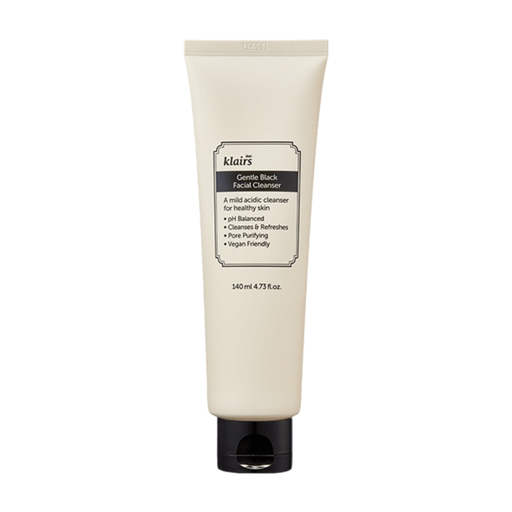
Why this suits the profile: The slightly acidic formula and 140 ml size suit users who pay close attention to skin feel, ingredients and a balanced routine.
The product description mentions a mild, slightly acidic cream formula and gives clear instructions for use with lukewarm water.
Contains, among others, glycerine, ceramide NP, beta-glucan and hydrolysed hyaluronic acid according to the ingredients list.
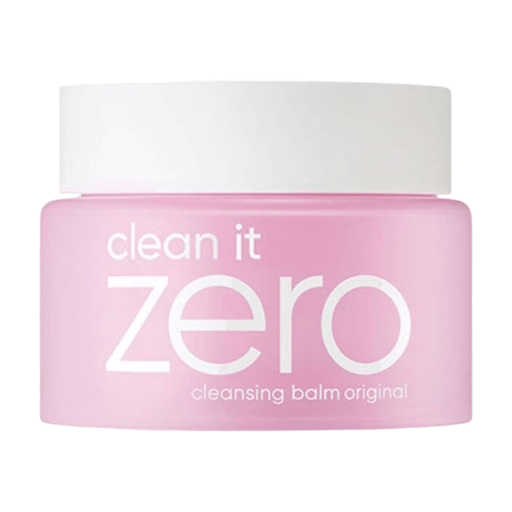
Why this suits the profile: This cleansing balm is practical for anyone who wants to break down make-up, SPF or a heavier layer daily before using a second cleanser.
According to the instructions, the balm is massaged onto dry skin and rinsed off with water. This makes the usage clearer than with a product that only makes general cleansing claims.
100 ml; according to the product description, it turns into an oily emulsion on contact with water and contains jojoba and olive oil.
We've put together a full, up-to-date list of products that fully meet these strict selection criteria and comply with current European safety regulations.
If you have dry or sensitive skin, one gentle cleanse is often enough. Double cleansing can be useful if you wear a lot of make-up or water-resistant SPF, but it's not automatically necessary for everyone.
That depends on the formula and the instructions on the packaging. Many gel and foam cleansers are intended for use in the morning and evening. If you have dry or sensitive skin, once a day may be more comfortable. Stop if you experience irritation and choose a milder formula if needed.
The terms are often used interchangeably. "Face wash" usually refers to a gel or foaming cleanser that you rinse off with water. "Cleanser" is a broader term that includes gel, cream, balm and micellar water.
That depends on the size, the amount you use and how often you use the product. A 150 ml bottle used daily will generally last longer than a 50 ml tube, but always compare the recommended amount. That way you can work out the cost per use better than by just looking at the selling price.
