
Vandaag of morgen in huis

Kwaliteit gegarandeerd

Welkomstaanbiedingen ontgrendelen: GRATIS bezorging | Tot 80% korting | Gratis 30 dagen JoyPlus-proefperiode
Download de app
A facial cleanser removes dirt, sebum, make-up residue and sunscreen from your skin. Yet choosing one is less straightforward than a packet promising “deep cleansing”, “hydrating” or “pore care” might suggest. A heavily foaming cleanser can feel pleasant, but that doesn’t automatically make it suitable for daily use. Likewise, a Korean facial cleanser packed with plant extracts isn’t necessarily right for every skin type.
With this practical guide, you can compare a face cleanser by skin type, texture, ingredients and usage. That way, you won’t end up paying for marketing hype alone.
A foaming cleanser feels instantly fresh, but the amount of foam says little about the quality of the cleanse. What matters more are the surfactants used, the instructions for use, and how your skin feels after rinsing. If your skin feels tight or dry, it could mean the formula is too strong for you or you’re using it too often.
A product description may label a cleanser as suitable for all skin types. Still, check whether it contains fragrance, essential oils, alcohol or exfoliating acids. If you have sensitive or acne-prone skin, it’s wise to test new products on a small area first.
An exfoliating facial cleanser with AHA, BHA, PHA or salicylic acid can be tempting for oily skin or clogged pores. However, daily use isn’t right for everyone. Don’t automatically combine it with other exfoliants, and stop if irritation occurs. Claims about reducing spots or pores come from the brand’s product marketing and are no guarantee of results for your skin.
A hydrating facial cleanser doesn’t automatically prevent dry skin. Its effect depends on the full formula, how long you wash for, and what you use afterwards.
A low-pH cleanser is often chosen by those who want a gentler cleanse. However, the pH level alone doesn’t determine whether a product is suitable. Also look at the surfactants, fragrances and any acids present. Some brands mention a pH around 5 in the product description; check the actual packaging if this matters to you.
Read beyond the marketing copy and look at the ingredients list. Pay particular attention to:
A facial cleanser is for external use only. Rinse thoroughly with lukewarm water and always follow the instructions on the packaging.

Why it fits this profile: This light cleansing gel suits anyone who values a short ingredients list with several plant extracts and a simple daily routine.
The listed product details mention a gel texture and no fragrance or essential oil. Check the packaging if you are allergic to specific ingredients.
100 ml, gel cleanser, includes glycerine, green tea extract and plum water in the stated ingredients list.
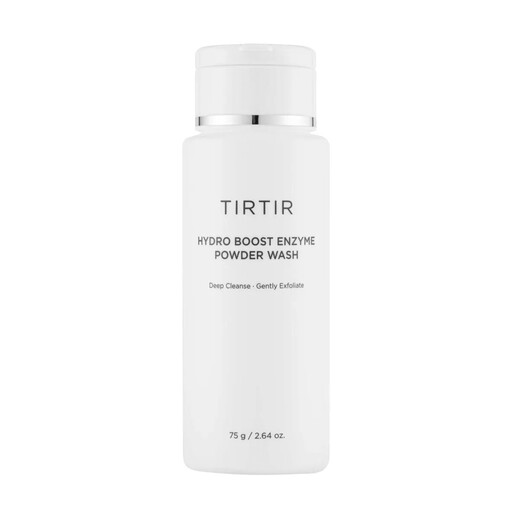
Why it fits this profile: The powder format is designed for users who want to incorporate exfoliation into their routine and control the dosage per wash themselves.
The product description mentions a fruit acid enzyme and exfoliating action. Therefore, don’t automatically use it daily and combine carefully with other acids.
75 g powder, suitable for face and body according to the product description, with exfoliating ingredients.
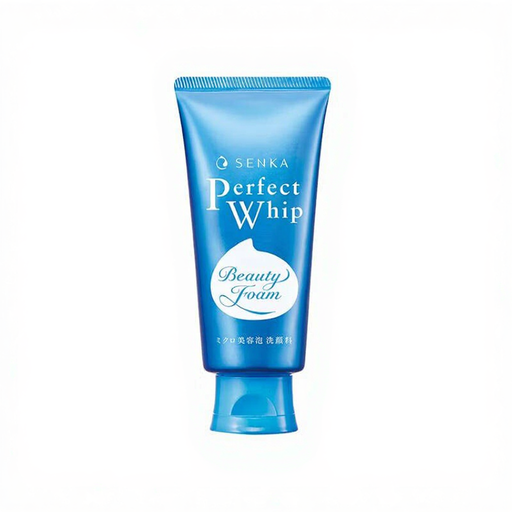
Why it fits this profile: The stated product information mentions a rich foam texture and a 120 g tube for anyone looking for a traditional Japanese cleanser.
The packaging and instructions make it clear that you only need a small amount. Do watch out for fragrance and alcohol in the listed ingredients.
120 g, rich foam according to the product description, with glycerine, sodium hyaluronate and silk-related ingredients.
We’ve put together a full, up-to-date list of products that fully meet these strict selection criteria and comply with current European safety regulations.
If you’re wearing make-up or water-resistant sunscreen, a first cleanse with a cleansing oil can be practical, followed by a gentle gel or foam. Double cleansing isn’t necessary for everyone.
For many people, once in the evening is enough. If you have oily skin or exercise intensively, a morning cleanse can also feel good. If your skin feels dry, tight or irritated, use it less often or choose a gentler formula.
Check the expiry date, batch number and the symbol for an opened jar on the packaging. Store the cleanser in a cool, dry place, close the lid properly and prevent water from getting into the container. The exact shelf life varies by product.
Not necessarily. Compare the contents, ingredients, packaging and how often you use it. A product you enjoy and use consistently as directed can be more practical than a more expensive cleanser with ingredients that don’t suit your skin.
