
Vandaag of morgen in huis

Kwaliteit gegarandeerd

Welkomstaanbiedingen ontgrendelen: GRATIS bezorging | Tot 80% korting | Gratis 30 dagen JoyPlus-proefperiode
Download de app
A facial cleanser may seem like a simple product, but the difference between comfortable daily cleansing and a tight, dry feeling often comes down to the formula. Choosing the wrong product can leave your skin feeling dry, greasy or more irritated. This applies to Korean and Japanese facial cleansers, as well as an ordinary face wash from the chemist.
The product name does not always tell you everything you need to know. Pay particular attention to your skin’s needs, cleansing power and the ingredients list.
A generous amount of foam can feel thorough, but on its own it says little about how gentle a cleanser is. Some cleansing foams contain cleansing agents that may feel less comfortable on dry or sensitive skin. So check the full ingredients list rather than relying only on terms such as “deep cleansing” or “fresh”.
A facial cleanser for oily or blemish-prone skin may contain salicylic acid, tea tree oil, clay or other purifying ingredients. These ingredients may suit oilier skin, but using them daily as directed on the label will not feel comfortable for everyone. Stop using the product if you experience persistent redness, itching or a burning sensation, and seek advice from a doctor or dermatologist if you have skin concerns.
A product may be described as suitable for all skin types, but individual tolerance varies. Fragrance, essential oils, alcohol or certain plant extracts may not suit everyone. Check the packaging carefully, especially if you have reacted to cosmetics in the past.
A cleansing gel often feels lightweight and may suit normal, combination or oily skin. A cleansing foam creates a distinctly foamy sensation and is popular with fans of Korean and Japanese skincare. A creamy face wash may feel more comfortable if your skin quickly feels tight after washing.
However, texture is not the only factor that determines the result. Also look at:
Most products in this selection contain between 100 and 180 ml. A larger tube is not automatically better value: if you use too much, it will run out sooner. For daily facial cleansing, a small amount is usually enough. With a foaming formula, it can help to add water to your hands first so you need less product.
Follow the instructions on the packaging. In general, apply cleanser to a damp face, massage gently and rinse with lukewarm water. Some gels, such as products that can also be massaged into dry skin, have different usage instructions.
Always check the expiry date, batch information and period after opening on the packaging. Do not use a product if its smell has changed, it has become discoloured or its texture has altered.

Why it suits this profile: The gel texture and 100 ml size make this a straightforward choice for anyone wanting to try daily cleansing without immediately buying a large range of products.
The product information describes hydrating cleansing and a gel texture, rather than basing the choice solely on the amount of foam or marketing terms.
100 ml, gel texture, glycerine and various plant extracts according to the ingredients list. The product page also states that it is fragrance-free and free from essential oils.
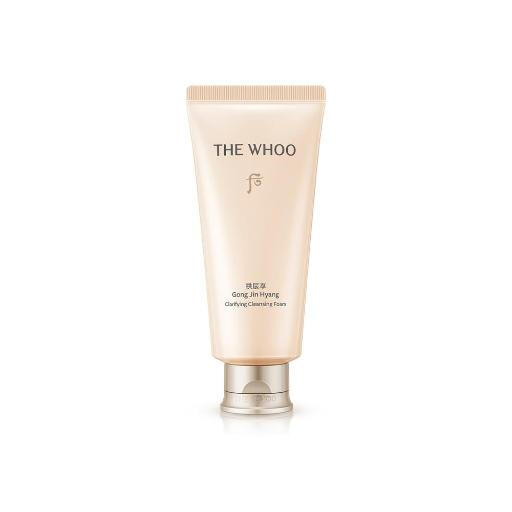
Why it suits this profile: The generous size and traditional Korean positioning will appeal to people who enjoy a more elaborate skincare ritual.
The description mentions gentle surfactants and moisture balance; however, check the current packaging yourself if fragrance or plant extracts are a concern.
180 ml, foam texture and ingredients such as ginseng and liquorice extract, according to the product description.
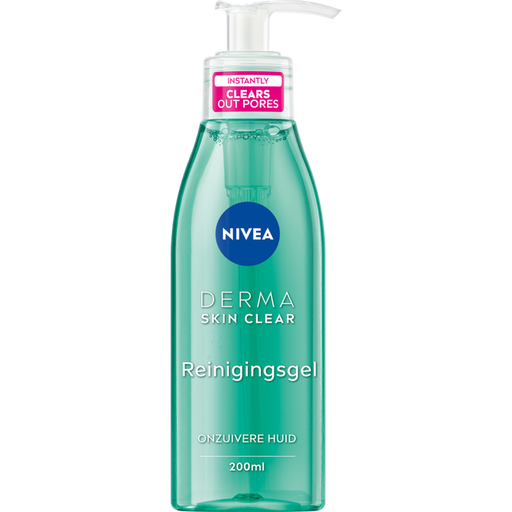
Why it suits this profile: This facial cleanser for blemish-prone skin targets excess sebum and impurities, with clear information about its ingredients.
According to the product information, the formula is fragrance-free. As it contains salicylic acid, it is important to read the warnings and stop using it if irritation occurs.
150 ml, gel texture, salicylic acid and niacinamide according to the ingredients list. According to the product description, the packaging consists of 98% recycled plastic, excluding the label and pump.
We have put together a complete, up-to-date list of products that fully meet these strict selection criteria and the applicable European safety regulations.
Yes, a cleanser can remove dirt, sweat, sun cream residue and excess sebum. If you have dry or sensitive skin, choose a gentler formula and avoid rubbing vigorously. A face wash does not need to remain on the skin for long to cleanse effectively.
Many products are designed for use in the morning and evening, but always follow the label. If you have dry or sensitive skin, once a day may feel more comfortable. Use lukewarm water and pat your skin dry rather than rubbing firmly.
Check the expiry date and the period-after-opening symbol, such as 12M. Keep the packaging closed, in a cool place and away from direct sunlight. If the smell, colour or texture changes, stop using the product.
