
Vandaag of morgen in huis

Kwaliteit gegarandeerd

Welkomstaanbiedingen ontgrendelen: GRATIS bezorging | Tot 80% korting | Gratis 30 dagen JoyPlus-proefperiode
Download de app
A facial cleanser seems simple enough: apply, rinse, and you’re done. Yet many people end up buying a product that cleanses too harshly, doesn’t suit their skin type, or looks appealing mainly because of marketing claims. A rich lather, for example, doesn’t automatically mean a formula is gentle. Terms like “pore-cleansing” and “hydrating” only mean something once you check the ingredients, texture, and usage instructions.
With this buying guide, you can compare a face wash, facial cleansing gel, cleansing foam, and cleansing oil. This way, you can make a more informed choice for your daily facial cleansing routine, without buying unnecessary products.
A cleansing foam can feel pleasant and help remove dirt, sebum, and sunscreen residue. However, the amount of lather doesn’t tell you how the cleanser will react with your skin. Always check the ingredients list, especially if you’re looking for a facial cleanser for sensitive skin. Fragrance, essential oils, and certain cleansing agents may not be suitable for some users.
A product described as deeply cleansing isn’t automatically suitable for dry or easily tight-feeling skin. For oily skin, a thorough cleanse can feel good, but washing too often or for too long can actually cause discomfort. Pores won’t disappear because of a cleanser; the goal is to remove dirt, make-up, and excess sebum from the skin’s surface.
A Korean facial cleanser or Japanese facial cleanser might fit well into your routine, but its origin alone doesn’t determine suitability. Also pay attention to the contents, the formula, the presence of fragrance, and the recommended usage. A smaller pack can be handy for trying something first, while a larger tube may work out more cost-effective for daily use.
Choose the texture based on your routine:
A cleansing oil is usually applied to a dry face. Then add water so the oil emulsifies, and rinse off afterwards. If you wear a lot of make-up, a second cleansing step with a gel or foam may be appropriate.
Check the full INCI list on the packaging. Glycerine, hyaluronic acid, and certain mild cleansing agents are often used in formulas designed to support a comfortable skin feel. Fragrance, tea tree oil, citrus oil, or exfoliating ingredients may be less suitable for some people.
For a facial cleanser for oily and acne-prone skin, salicylic acid can be a relevant product specification. The Salicylic Acid Daily Gentle Cleanser contains 0.5% salicylic acid according to the product information. That’s a concrete detail, but it doesn’t automatically make the product suitable for everyone. Build up usage gradually and stop if irritation occurs.
Check whether the packaging is practical for your bathroom and routine. A tube of 100 to 150 ml is easy to take with you; 200 ml can be more economical if you use a cleansing oil daily. Use lukewarm water, massage without rubbing hard, and avoid contact with the eyes. If you have sensitive skin, test a small amount on a limited area first.
Also, check the official packaging for shelf life, batch number, and the period after opening. Stop using the product if you experience redness, itching, or a burning sensation. If symptoms persist, it’s wise to seek advice from a doctor or other healthcare professional.

Why it fits this profile: This 100 ml gel cleanser is a manageable choice for anyone wanting to try a Korean facial cleanser without committing to a large pack. The product information states it is suitable for all skin types.
The selection is based on texture, contents, and ingredients rather than just the term “refreshing”. According to the product data, the formula is free from fragrance and essential oils.
Gel texture, 100 ml contents, and glycerine in the ingredients list. The product information also mentions vegan and hypoallergenic.
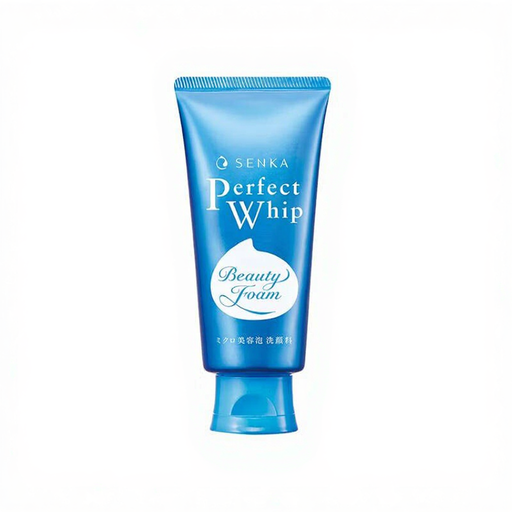
Why it fits this profile: If you’re after a Japanese facial cleanser with a rich, foamy texture, you get a 120 g tube for use in the morning and evening.
The choice isn’t based solely on the rich lather. The ingredients list and warnings are available, so you can check for fragrance and other components beforehand.
120 g, foam formula, and glycerine, sodium hyaluronate, and silk ingredients according to the product list.

Why it fits this profile: This face wash is aimed at users who specifically pay attention to excess oil and are looking for a product with salicylic acid. The product description mentions usage advice for combination, oily, and acne-prone skin.
The concentration of salicylic acid is clearly stated: 0.5%. This allows you to compare the formula rather than relying on a general claim about pores.
150 ml contents, 0.5% salicylic acid, and tea tree oil according to the product information. A patch test is recommended.
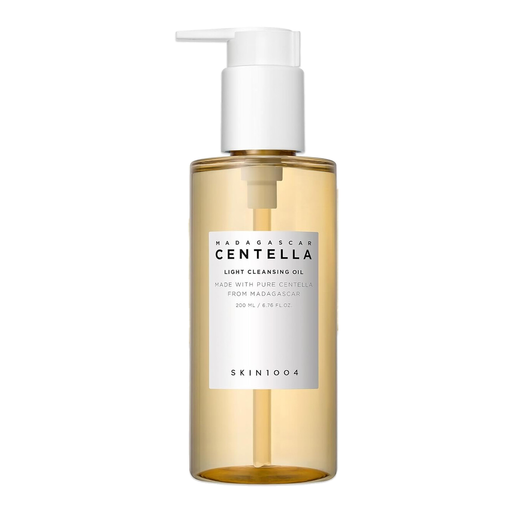
Why it fits this profile: This Korean cleansing oil is designed as a first step for removing make-up, sunscreen, and oily residues. The packaging contains 200 ml and the instructions involve using it on dry skin with dry hands.
The product description clearly mentions the first cleansing step and emulsifying with water. This makes the usage more specific than just the claim “deep cleansing”.
200 ml, six plant-based oils according to the product description, and a light oily texture that is rinsed off with lukewarm water.
We’ve put together a full, up-to-date list of products that fully meet these strict selection criteria and comply with current European safety regulations.
For most routines, once in the evening makes sense, especially to remove sunscreen, make-up, sebum, and dirt. Some products are suitable for both morning and evening use according to the product information. If your skin feels tight, try cleansing less often or choose a gentler formula.
Yes. With double cleansing, you first use a cleansing oil on dry skin. Then you can use a gel or foam to remove any remaining oil and water-soluble residues. This approach is especially practical for make-up or water-resistant sunscreen, but it isn’t necessary for everyone every day.
Look for a short, clear ingredients list and watch out for fragrance, essential oils, and exfoliating agents. Use lukewarm water and don’t rub hard. A product described as hypoallergenic or suitable for sensitive skin is still a product claim; always check the current packaging and stop if irritation occurs.
