
Vandaag of morgen in huis

Kwaliteit gegarandeerd

Welkomstaanbiedingen ontgrendelen: GRATIS bezorging | Tot 80% korting | Gratis 30 dagen JoyPlus-proefperiode
Download de app
A facial cleanser should remove dirt, make-up and excess sebum without leaving your skin feeling tight or dry after washing. Yet the choice isn’t always straightforward. A foaming texture, a natural label or a promise of hydration doesn’t tell you much about how suitable it will be for daily use.
The following pitfalls are common:
The texture determines how you use a product and how it feels after rinsing.
A gentle facial cleanser doesn’t have to be foaming. If you have dry skin, a creamy or hydrating facial cleanser may fit more logically into your routine.
If you often experience a tight or stinging sensation, you can specifically look for a fragrance-free facial cleanser. Don’t just look at the front of the packaging – check the ingredients list too. “Natural” doesn’t automatically mean fragrance-free, and “vegan facial cleanser” mainly tells you about the origin of the ingredients, not the cleansing strength.
Examples from the range:
Treat claims such as “hypoallergenic”, “dermatologically tested” or “suitable for sensitive skin” as product information, not as a personal guarantee. Stop using the product if irritation occurs and follow the safety instructions on the packaging.
A 200 ml bottle can be handy for daily use, while 100 ml takes up less space when you’re travelling. More importantly, check whether the cleanser suits the amount of make-up you wear and your desired routine.
Check:
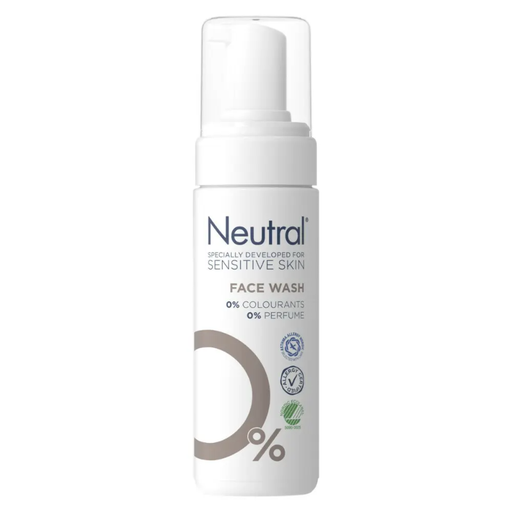
Why this fits the profile: A simple daily face wash with a gel texture that is used with water and then rinsed off.
The product information states 0% fragrance and 0% colourants, so the choice is less dependent on scent or flashy marketing.
150 ml; glycerin, vitamin B3 and allantoin according to the ingredients list; intended for sensitive skin.
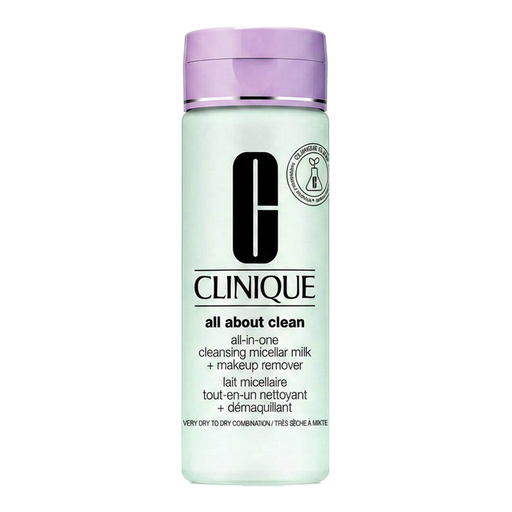
Why this fits the profile: The milky texture is intended for face and eyes and suits anyone who wants to combine make-up removal and cleansing in one step.
The non-foaming format prevents you from using foam as a measure of cleansing power; the packaging states it is fragrance-free.
200 ml; cleansing milk and make-up remover; according to the product information, allergy-tested and non-acnegenic.
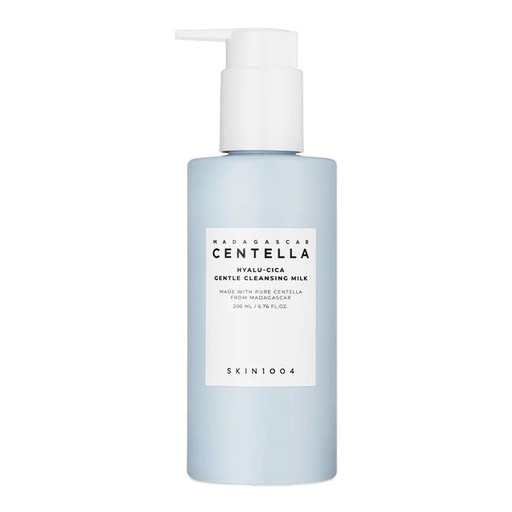
Why this fits the profile: This milk cleanser is massaged onto dry skin and, according to the product information, is suitable for dry, sensitive, dehydrated and normal skin.
The instructions explicitly mention dry hands and a dry face. For heavy make-up, a second cleanser is recommended.
200 ml; ingredients list including glycerin, panthenol, ceramide NP and hydrolysed hyaluronic acid.
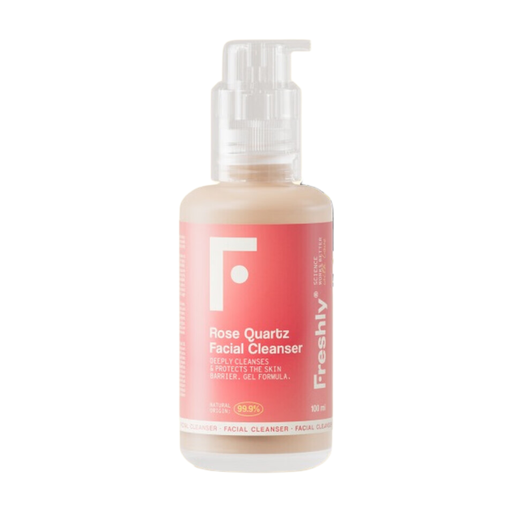
Why this fits the profile: According to the brand’s product information, this is a vegan cleanser with 99.9% naturally derived ingredients and a natural citrus fragrance.
The fragrance is clearly stated. This allows you to distinguish this option from a fragrance-free facial cleanser before you order.
100 ml; vegan according to the product information; free from sulphates, soap, silicones and PEG according to the brand description.
We’ve put together a full, up-to-date list of products that fully meet these strict selection criteria and comply with current European safety regulations.
Use a cleanser according to the instructions on the packaging. A general approach:
If irritation, redness or itching occurs, stop using the product. A patch test can be useful if your skin reacts easily, but it does not replace medical advice.
For many people, cleansing in the evening is enough to remove make-up, dirt and sunscreen residue. In the morning, a gentle facial cleanser can be pleasant, but an extensive double cleanse isn’t necessary for everyone. See how your skin reacts and adjust the frequency accordingly.
A facial cleanser for dry skin is often milky or creamy and doesn’t feel tight after rinsing. Pay attention to the texture, fragrance listing and usage instructions. Clinique All About Clean, SKIN1004 Gentle Cleansing Milk and NIVEA Soothing Cleansing Milk are linked in their product information to dry or sensitive skin; always check the current packaging.
The shelf life is stated on the packaging. Look for an expiry date or the symbol for the period after opening. Store the bottle or tube according to the instructions, close the packaging properly and stop using the product if the scent, colour or texture clearly changes.
