
Vandaag of morgen in huis

Kwaliteit gegarandeerd

Welkomstaanbiedingen ontgrendelen: GRATIS bezorging | Tot 80% korting | Gratis 30 dagen JoyPlus-proefperiode
Download de app
A facial cleanser seems simple: apply, rinse and you’re done. Yet many people buy a product that does not suit their skin or daily routine. A cleanser that is too strong can leave your skin feeling tight, while an overly creamy formula may not feel comfortable on oily skin.
If you’re looking for a Korean facial cleanser, face wash, cleansing foam or cleansing gel, you’ll also come across plenty of marketing claims. Pay particular attention to the ingredients list, texture, pH information and instructions for use. Below, you’ll find practical guidance and some popular options for different skin types and preferences.
A rich lather can make your skin feel clean, but it does not automatically indicate that a product is suitable for your skin. Some foaming products can leave your skin feeling dry or tight after rinsing. This is particularly inconvenient if you use the cleanser every morning and evening.
That’s why it’s important to consider the complete formula. Ingredients such as glycerine, panthenol, betaine or hyaluronic acid are often used in hydrating formulas. The effect of these ingredients varies from one product and skin type to another; an ingredient listed on the packaging is no guarantee of a particular result.
A low pH cleanser is often presented as gentle on the skin barrier. The pH level can indeed be a useful factor for comparison, but you should also check for fragrance, essential oils and other ingredients you may be sensitive to.
states that its Low pH Good Morning Gel Cleanser has a low-pH formula. SKIN1004 Madagascar Centella Ampoule Foam is listed as having a pH of 5. Always check the current packaging, as product information or the formula may change.
A 200 ml tube may seem like good value, but the amount needed per wash varies depending on the texture. A concentrated cleansing foam may last longer than a thin gel or milk, depending on how much you use.
Pay attention to:
A gentle facial cleanser, or a facial cleanser for sensitive skin, does not automatically mean it contains no fragrances or botanical extracts. Read the ingredients list and look out for any known personal triggers.
Glycerine, betaine, panthenol and hyaluronic acid are found in various formulas and are generally used to help the skin feel comfortable. Ceramide NP and phytosphingosine, for example, appear in the ingredients list of SKIN1004 Madagascar Centella Hyalu-Cica Gentle Cleansing Milk.
At the same time, fragrances, tea tree oil, and citrus or other essential oils may be less suitable for some users. Dear, Klairs Rich Moist Foaming Cleanser contains tea tree oil; Dr. Althea Green Relief Amino Gel Cleanser contains bergamot oil, among other ingredients, and lists limonene and linalool in its ingredients list. Check the packaging if you have reacted to these substances in the past.
Use lukewarm water and massage without rubbing hard. A face wash or cleansing gel is usually applied to a damp face. A cleansing milk, such as SKIN1004 Hyalu-Cica Gentle Cleansing Milk, should be used on a dry face and with dry hands, according to the product information.
Rinse thoroughly and pat your skin dry. A cleanser is designed to cleanse and does not need to remain on your skin for long. If irritation persists, it is advisable to stop using the product and consult a dermatologist if necessary.
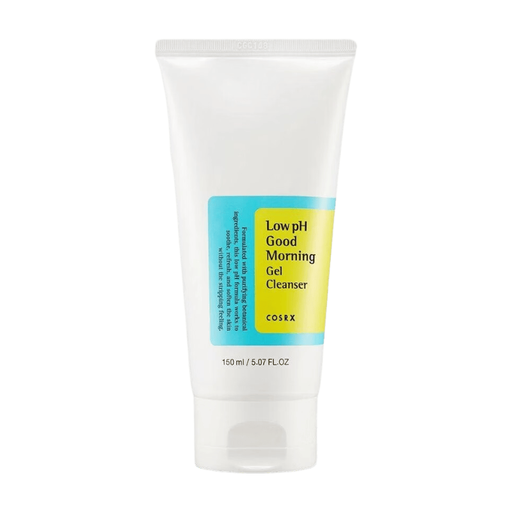
Why it suits this profile: The gel texture and 150 ml volume make this a straightforward choice for anyone looking to build a daily facial cleansing routine with a Korean cleanser.
The product information states that it has a low pH and is intended to remove impurities and excess sebum. Check the current ingredients list when purchasing.
Gel texture, 150 ml volume and a formula containing betaine salicylate and tea tree oil, according to the product listing.
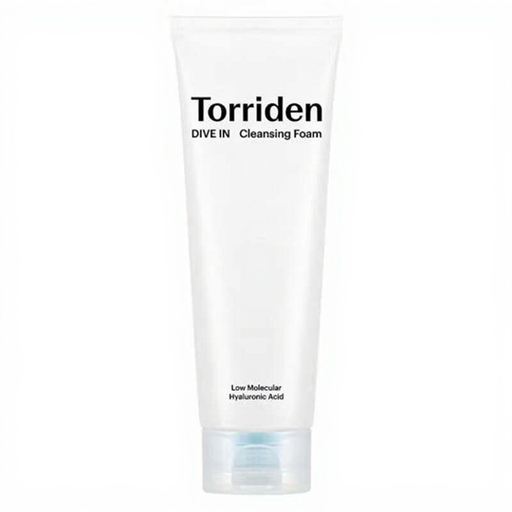
Why it suits this profile: This cleansing foam is well suited to users who want a foaming texture while also paying attention to hydrating ingredients.
The formula lists several forms of hyaluronic acid and recommends using a small amount of product. Foam alone does not determine cleansing performance.
150 ml volume, vegan according to the product listing, and ingredients including glycerine, panthenol and hyaluronic acid.
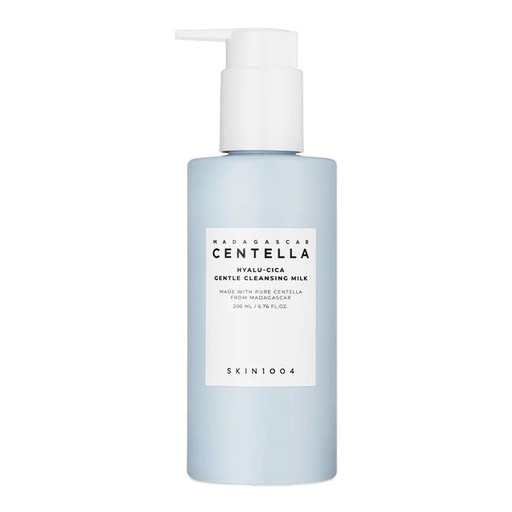
Why it suits this profile: This cleansing milk is designed for users who want to loosen make-up and impurities with a lotion-like texture.
The instructions make it clear that you should use the product on a dry face. A second cleanser is recommended for heavy make-up.
200 ml volume, milky texture and ingredients including panthenol, allantoin, ceramide NP and Centella asiatica extract, according to the product listing.
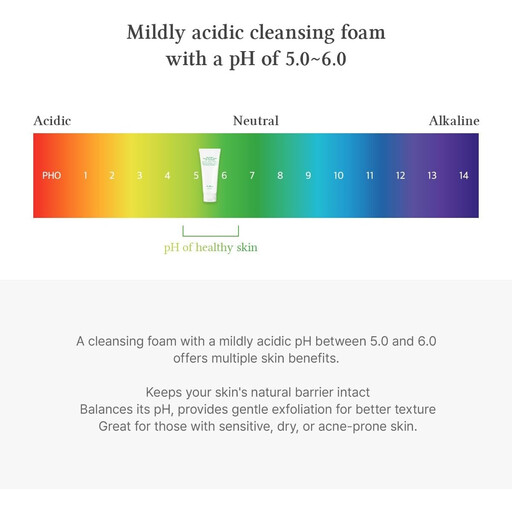
Why it suits this profile: The gel, with its mildly acidic pH information, suits anyone looking for a fresh cleanse who also pays close attention to surfactants.
The product information states a pH of 5.0–6.0 and amino acid- and coconut-based cleansers. The formula also contains fragrant oils, so check this if you have sensitive skin.
100 ml volume, gel texture and ingredients such as glycerine, betaine, ceramide and hydrolysed hyaluronic acid.
We’ve put together a complete, up-to-date list of products that fully meet these strict selection criteria and the applicable European safety regulations.
If you wear make-up or sunscreen that is difficult to remove, starting with a cleansing cream or cleansing milk can be useful. Follow with a face wash if required. Cleansing more often or more vigorously does not automatically mean a deeper cleanse.
For many people, cleansing once in the evening and optionally a second, gentle cleanse in the morning works well. If you have dry or sensitive skin, cleansing only in the evening may feel more comfortable. Pay close attention to how your skin reacts and follow the instructions on the packaging.
That depends on the formula and your skin. According to the product information, many of the products in this overview are intended for daily use. Stop using the product if irritation occurs, and check for ingredients you are allergic or sensitive to.
Check the expiry date, batch number and information about use after opening on the packaging. Store the product in a cool, dry place away from direct sunlight, and close the packaging securely. How long it lasts depends on the volume and how much you use each time.
