
Vandaag of morgen in huis

Kwaliteit gegarandeerd

Welkomstaanbiedingen ontgrendelen: GRATIS bezorging | Tot 80% korting | Gratis 30 dagen JoyPlus-proefperiode
Download de app
A facial cleanser may seem like a simple product, but the difference between comfortable daily cleansing and skin that feels tight often comes down to the details. If you only rely on phrases such as “deep cleansing”, “natural” or “for all skin types”, you could end up buying a product that does not suit your skin or routine.
Pay attention to the texture, ingredients, how to use it and product size. A face wash for oily skin has different properties from a cleanser for sensitive skin. A cleansing gel is not automatically suitable for everyone either, and micellar water does not always replace a complete facial cleansing routine.
A product that lathers extensively or leaves your skin feeling very clean may remove excess sebum and dirt, but it can also feel uncomfortable on dry or sensitive skin. A tight feeling after washing is not a reliable measure of whether a facial cleanser is effective.
Instead, look at the cleansing agents, whether the product contains fragrance and the instructions on the packaging. Ingredients such as glycerine, panthenol and hyaluronic acid are often used in formulas designed to leave skin feeling more comfortable. Results may vary from person to person.
Terms such as “hypoallergenic”, “dermatologically tested” and “natural ingredients” do not tell the whole story. Always check the full ingredients list. For example, a product may contain perfume or essential oils while still being recommended for a particular skin type.
According to the product information from NIVEA, Soothing Micellar Water Sensitive Skin is fragrance-free and dermatologically and ophthalmologically tested. This is a statement from the manufacturer and does not guarantee that everyone will tolerate the product without a reaction. If you have sensitive skin, it is still sensible to test the product on a small area first.
A cleanser for everyday use is not always designed to remove waterproof make-up, sun cream and large amounts of sebum in one step. Micellar water or a make-up remover may be more practical for this. Afterwards, depending on your skin and routine, you can use a gentle cleansing gel or cleansing foam.
Cleansing wipes are convenient when you are out and about, but they are not necessarily the most practical long-term routine for everyone. Also check the packaging closure, as drying out can make them difficult to use.
A cleansing foam is quick to spread and feels lightweight. A cleansing gel may produce little or a gentle amount of lather, depending on the formula. Cleansing milk is usually applied with your fingers or a cotton pad, and may suit anyone who would rather not use a foaming product.
You generally use micellar water with a cotton pad. NIVEA Soothing Micellar Water states that rinsing is not necessary, although some users may still prefer to rinse their skin. Follow the product instructions and pay attention to how your own skin feels.
Do not compare just the price of the packaging; check the size too: 100, 150, 200 or 400 ml can make a clear difference to how long the product lasts. A pump bottle or tube can also make it easier to dispense the right amount than packaging that requires you to squeeze out a large quantity each time.
Use a small amount and massage it in without rubbing hard. Lukewarm water is usually more comfortable than very hot water. Avoid the eye area unless the packaging states that the product is suitable for this.
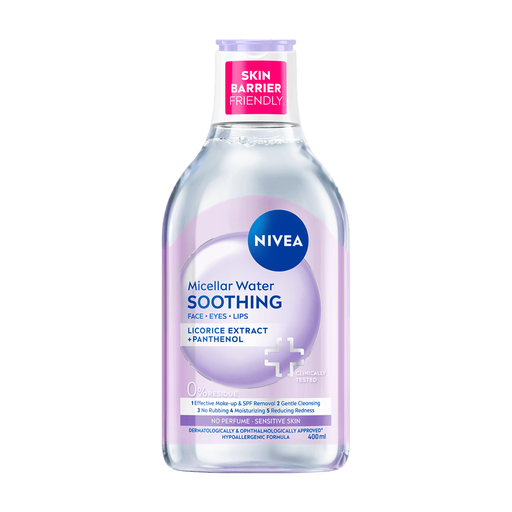
Why it suits this profile: The large bottle and no-rinse application make this micellar water practical for beginners, removing make-up or carrying out a quick cleanse.
The product information describes a fragrance-free formula and recommends gently wiping without rubbing. However, always check how well your own skin tolerates it.
400 ml size; designed to remove make-up and SPF; panthenol and glycerine are included in the ingredients list.
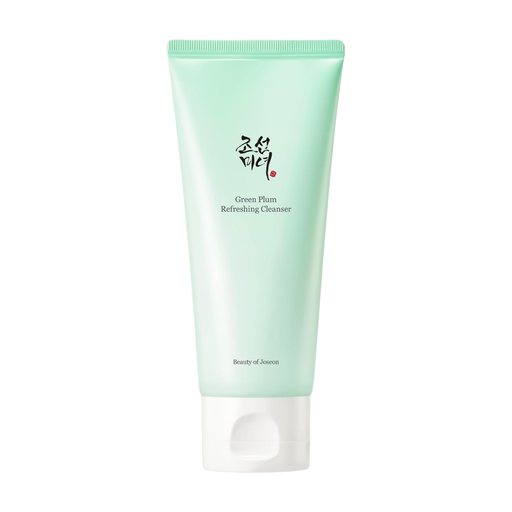
Why it suits this profile: This Korean skincare cleanser is an option for anyone looking for a gel texture and a skincare routine featuring botanical extracts.
Apply the gel with wet hands and rinse it off afterwards. This makes it clear exactly which cleansing step you are carrying out.
100 ml tube; glycerine and plum water in the formula; suitable for use with lukewarm water.
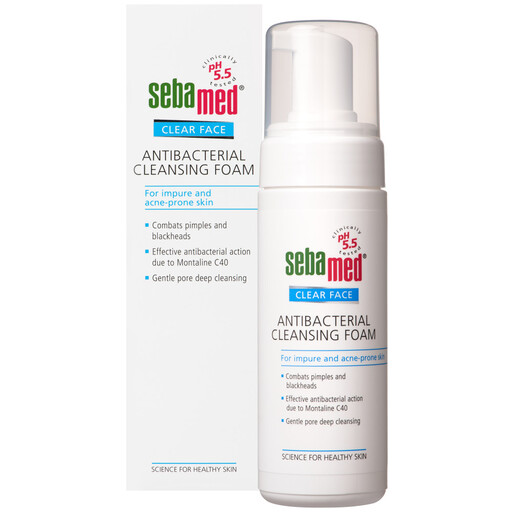
Why it suits this profile: The instructions are clear: apply in the morning and evening, massage in gently and rinse off. This makes it suitable for a consistent daily facial cleansing routine.
The instructions warn against contact with the eyes and advise stopping use if irritation occurs. This makes the key usage limits clear.
150 ml foaming formula; panthenol in the ingredients list; suitable for use in the morning and evening according to the product information.
We have put together a complete, up-to-date list of products that fully meet these strict selection criteria and the applicable European safety regulations.
Do not automatically use an exfoliating cleanser more often than directed. If your skin reacts easily, take extra care with salicylic acid, fragrances and essential oils.
For many people, cleansing once in the evening and, if necessary, in the morning is sufficient, depending on their skin type and product. Follow the instructions on the packaging. Cleansing too often can leave dry or sensitive skin feeling uncomfortable.
Micellar water can help remove dirt, make-up and SPF. Whether rinsing is necessary depends on the product. If you wear a lot of make-up or your skin feels oily, a second cleansing step with a gentle face wash may feel more comfortable.
This depends on the product size and the amount used each time. With the same dosage, a 400 ml bottle will generally last longer than a 100 ml tube. Also check the expiry information and any period-after-opening symbol on the packaging.
