
Vandaag of morgen in huis

Kwaliteit gegarandeerd

Welkomstaanbiedingen ontgrendelen: GRATIS bezorging | Tot 80% korting | Gratis 30 dagen JoyPlus-proefperiode
Download de app
A good facial cleanser does not have to be complicated. Yet the choice is extensive: from Korean facial cleansers and cleansing foams to gentle gels or cleansers with exfoliating acids. The right option largely depends on your skin type, daily routine and the ingredients your skin can tolerate.
Anyone who focuses solely on terms such as “deep cleansing”, “glow” or “anti-acne” can easily end up buying a product that is too drying, heavily fragranced or unnecessarily active. Below, you will find what to consider before buying a face wash.
A foaming facial cleanser can feel particularly thorough. However, abundant foam does not automatically mean that every skin type will find it comfortable. A formula containing potent cleansing agents may leave the skin feeling tight after washing, especially if your skin is dry or sensitive.
Do not focus solely on the amount of foam. Also consider:
A cleanser containing AHA, BHA or PHA may sound appealing if you want to address dead skin cells or visible pores. These acids generally remain on the skin only briefly because the product is rinsed off, but the formula may still feel intense.
Brand product descriptions may promote their performance, but this is not a guarantee that the product will suit every skin type. Use a cleanser with exfoliating ingredients cautiously, and stop using it if persistent redness, itching or a burning sensation occurs.
A product may be labelled as suitable for all skin types while still containing fragrance, alcohol or essential oils. This is not necessarily a problem for everyone, but people looking for a facial cleanser for sensitive skin should check the complete INCI list and all safety warnings.
If you are unsure, first apply a small amount to a limited area of skin. Do not use a cleanser on damaged skin and avoid contact with the eyes.
A lightweight foam or gel can work well for oily skin, particularly when you want to remove sunscreen and sebum during the day. A cleanser for acne-prone skin may contain ingredients such as salicylic acid, but cosmetic claims such as “anti-acne” or “cleans pores” should be understood as product positioning, not medical treatment.
Normal or combination skin can often choose from a variety of textures. Dry skin will generally benefit more from a hydrating cleanser that does not leave a tight feeling after rinsing. For sensitive skin, a short ingredients list and avoiding known personal triggers are often more important than additional active ingredients.
Check which ingredients are actually listed:
According to SOME BY MI’s product information, the Mini Acne Clear Foam contains 5000 ppm salicylic acid as well as AHA, BHA and PHA. This makes the formula relevant for anyone seeking an active cleanser, but it is not automatically suitable for daily use on sensitive skin.
A 50 ml mini is practical for travel or for trying a formula before committing to a full-size product. For daily use, a 120 to 150 ml bottle may offer better value. Also check the directions: most products are applied to a wet face or wet hands, massaged in briefly and rinsed off with lukewarm water.
On receipt, always check the expiry information, batch number and warnings on the packaging. The current packaging takes precedence if the information in an online product listing differs.
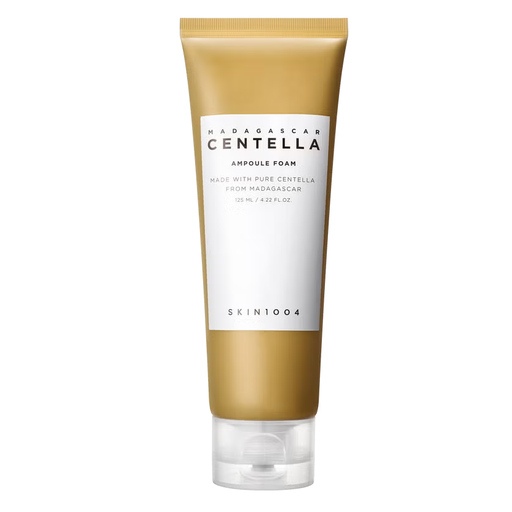
Why This Fits Their Persona: A medium-sized 125 ml bottle and product information that mentions daily use for multiple skin types make this a logical starting point for a simple morning and evening routine.
The stated pH value of 5 and the description “gentle” offer more useful guidance than a promise of abundant foam alone.
125 ml; the product description mentions use on dirt, make-up residue and sebum.
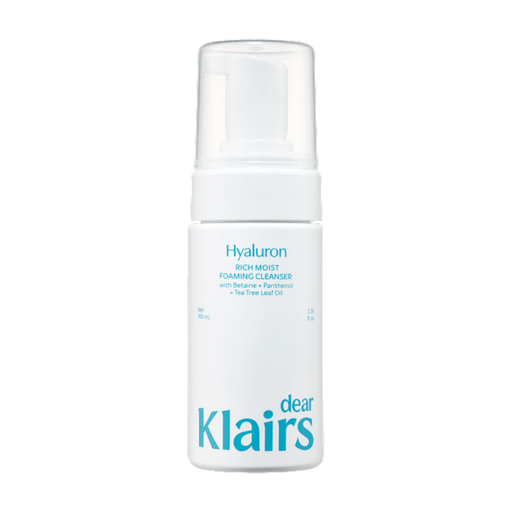
Why This Fits Their Persona: A good fit for anyone looking for a Korean facial cleanser with a soft foaming texture and a comprehensive ingredients list.
The product information refers to amino acid-based cleansing agents while also warning sensitive users about tea tree oil.
100 ml; according to the listed INCI ingredients, it contains glycerin, panthenol, sodium hyaluronate and ceramide NP.
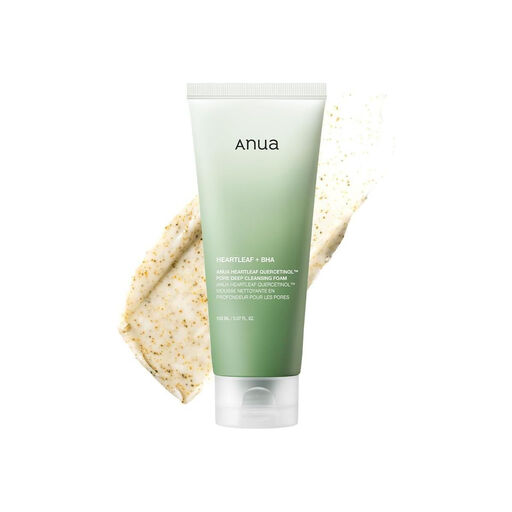
Why This Fits Their Persona: Designed for users with oilier or blemish-prone skin who want to compare a compact, creamy foam with ingredients such as salicylic acid.
The formula is not judged solely by its claims about “pores”: the ingredients list and fragrance warning are also provided, allowing you to make your own comparison.
150 ml; according to the product information, it contains heartleaf extract, glycerin, panthenol and several forms of hyaluronic acid.
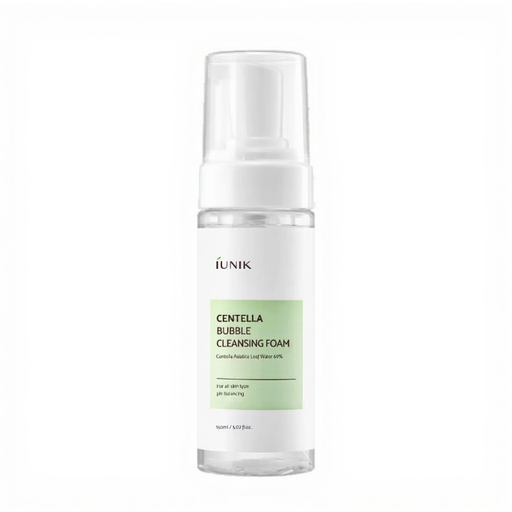
Why This Fits Their Persona: The product listing positions this foam as suitable for dry, sensitive, normal and acne-prone skin, as well as fragrance-free.
You can consider the “fragrance-free” claim alongside the complete product information instead of relying solely on the word “mild”.
150 ml; according to the product description, it contains 69% Centella asiatica extract and tea tree leaf water.
First, wet your face with lukewarm water. Take a small amount of face wash and work it into a lather in your hands when instructed to do so. Massage gently, without scrubbing hard or moving a brush forcefully across the skin. Rinse thoroughly and pat dry with a clean towel.
If you wear make-up or water-resistant sunscreen, a separate first cleansing step may be necessary. An ordinary cleanser is not always intended to function as a complete make-up remover. Follow the directions on the packaging and do not combine multiple exfoliating products without a clear reason.
Browse a current selection of gentle foaming cleansers and compare volume, ingredients, skin type and directions before placing your order.
For many adults, cleansing once in the evening works well as part of a routine. In the morning, rinsing with water or using a gentle cleanser may be sufficient, depending on your skin type and the product. Twice-daily cleansing can feel comfortable for oily skin, but a tight feeling is a sign that you should reconsider the frequency or formula.
This depends on the product volume and the amount used per wash. A 150 ml bottle will generally last longer with daily use than a 50 ml mini. The precise duration varies by product and user. Also check the expiry information and store the product in a cool, dry place away from direct sunlight.
Look for a formula marketed for acne-prone skin and check for active ingredients such as salicylic acid. The “anti-acne” claim is not a medical guarantee. Avoid over-cleansing, stop using the product if irritation occurs and consult a GP or dermatologist if symptoms persist or are severe.
