
Vandaag of morgen in huis

Kwaliteit gegarandeerd

Welkomstaanbiedingen ontgrendelen: GRATIS bezorging | Tot 80% korting | Gratis 30 dagen JoyPlus-proefperiode
Download de app
A facial cleanser may seem like a simple product, but there are big differences between cleansing gels, foaming face washes and cleansing milks. Choosing the wrong one can leave your skin feeling tight, extra dry or unnecessarily irritated. You may also end up paying for marketing terms that say little about how a product feels in everyday use.
This guide helps you compare facial cleansers by skin type, ingredients, pH, texture and when to use them. That way, you can choose more confidently between options such as a Korean skincare cleanser, a low pH cleanser or a salicylic acid cleanser.
A rich lather can feel clean, but it doesn’t tell you on its own how gentle the formula is. Some foaming products contain cleansing agents that may not feel as comfortable on dry or sensitive skin. So don’t just look at how much a product foams; pay attention to how your skin feels after rinsing.
A good daily facial cleanser leaves your skin feeling clean without a lingering tight or burning sensation.
Centella, tea tree, fragrance, essential oils and salicylic acid are common in Korean skincare. But that doesn’t automatically make a product suitable for everyone. For example, a cleanser for oily or acne-prone skin may contain active ingredients that feel less comfortable on sensitive skin.
Always check the full ingredients list. According to brands’ own product information, ingredients such as tea tree or salicylic acid may help cleanse away excess sebum or impurities. This doesn’t guarantee a particular result for your skin.
A hydrating facial cleanser may contain glycerine, panthenol, hyaluronic acid or other moisture-binding ingredients. As you rinse the product off, its effect is usually limited to the cleansing step. Think of a cleanser as the first step in your routine, not a replacement for moisturiser.
A low pH cleanser usually has a pH closer to that of the skin’s natural surface. Some cleansers list a pH of 5 or 5.5 in their product information, for example. This may feel comfortable if you’re looking for a gentle daily cleanse, but pH alone doesn’t determine whether a product is suitable for you.
Also look at the cleansing agents, such as:
Glycerine, panthenol, ceramides and plant oils may be worth considering if you have dry skin. If your skin is sensitive, pay extra attention to fragrance, essential oils and potential allergens.
A Centella cleanser often contains Centella Asiatica extract. According to the brand’s product description, this ingredient is used for a comfortable, soothing cleanse. Treat this as manufacturer information and always check the current packaging.
A salicylic acid cleanser may be worth considering if you have oily or acne-prone skin. For example, the Salicylic Acid Daily Gentle Cleanser lists 0.5% salicylic acid. Introduce a product like this gradually and stop using it if you experience redness, itching or a burning sensation. A cleanser with an active ingredient isn’t automatically suitable for daily use on every skin type.
Compare the size with how often you plan to use the product. A 150 ml product is practical for morning and evening use, while a 50 ml pack may be handy for trying it out first or taking it with you.
Also check:
A patch test on a small area of skin is a sensible precaution if you tend to react to new cosmetics.

Why it suits this profile: Its gel texture and 100 ml size make this an easy option to try if you’re new to Korean skincare and want to start with a gentle cleanser.
The product information doesn’t list fragrance or essential oils. If you’re sensitive to specific ingredients, be sure to check the current ingredients list.
Gel texture, 100 ml size and, according to the product information, suitable for different skin types.
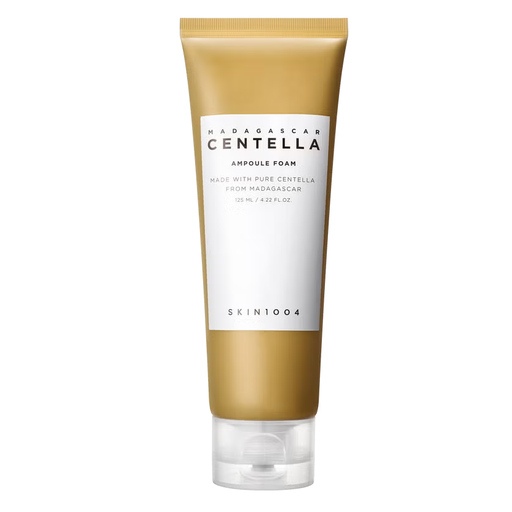
Why it suits this profile: If you value a carefully developed formula and a soft foaming texture, this product offers a stated pH of 5 and comes in a 125 ml size.
The product description says it cleanses gently without leaving skin feeling stripped. This is a brand claim, so pay attention to how your own skin responds after use.
125 ml size, stated pH of 5 and Centella extract, according to the product information.

Why it suits this profile: This option is for people who want to tailor their cleansing routine to oily, combination or acne-prone skin.
The salicylic acid concentration is listed as 0.5%, so you don’t have to rely on a vague claim. Patch testing and introducing it gradually are still important.
150 ml size and 0.5% salicylic acid, according to the product information; also contains glycerine and tea tree oil.
We’ve put together a complete, up-to-date list of products that meet these strict selection criteria and current European safety regulations.
Use lukewarm water and gently massage the cleanser over your skin with clean hands. Scrubbing hard or using very hot water can feel uncomfortable. Rinse thoroughly and pat your face dry with a clean towel.
A facial cleansing gel is usually used on damp skin. Cleansing milk can instead be applied to dry skin, especially when you want to loosen make-up. Always follow the instructions on the packaging. Waterproof make-up may require a separate oil or balm cleanser. A product description that says “no double cleansing needed” is a brand claim, not a rule that applies to everyone.
For many people, cleansing once in the evening and, if needed, using a gentle cleanser in the morning is enough. If you have dry or sensitive skin, using only lukewarm water in the morning may feel more comfortable. Pay attention to how your skin responds rather than automatically cleansing twice a day.
The exact shelf life is shown on the packaging. Check the expiry date, batch number and period-after-opening symbol, such as 12M. Has the smell, colour or texture changed? Stop using the product.
The price depends on the brand, size, ingredients and packaging. Compare the price per 100 ml and consider whether you’re paying extra for a particular texture or active ingredient. A simple, gentle facial cleanser may be enough for everyday use; a specialised formula is most worthwhile when it suits your skin’s needs.
