
Vandaag of morgen in huis

Kwaliteit gegarandeerd

Welkomstaanbiedingen ontgrendelen: GRATIS bezorging | Tot 80% korting | Gratis 30 dagen JoyPlus-proefperiode
Download de app
A facial cleanser seems like a simple product: apply, rinse, and you're done. Yet many people buy a cleanser that is too harsh, doesn't cleanse thoroughly enough, or simply doesn't suit their skin type. A foam that leaves your skin feeling instantly tight might feel refreshing, but that sensation doesn't automatically mean it's providing a good daily cleanse.
Terms like "pore cleansing", "whitening" and "acne care" also deserve a critical look. Always check the ingredients, usage instructions and warnings on the packaging. Below, you'll find out what to look for when choosing a facial cleansing foam, face wash, or Korean and Japanese facial cleanser.
Skin that feels tight after washing isn't necessarily cleaner. It could also mean the cleanser is stripping too much sebum and moisture from the skin's surface. This can be particularly uncomfortable for dry or sensitive skin. Instead, look for mild cleansing agents, hydrating ingredients like glycerine or hyaluronic acid, and clear usage instructions.
A scrub facial cleanser can help remove dirt and rough-feeling skin, but scrubbing harder doesn't automatically give better results. Products with micro-scrubs, konjac particles or acids need to be massaged in gently and rinsed off carefully. Don't use such a product on damaged or irritated skin, and stop if you experience redness, itching or a burning sensation.
A pore cleanser can remove dirt, excess sebum and make-up residue, but a cleanser won't permanently change the anatomical size of your pores. Similarly, an acne facial cleanser is a cosmetic cleansing product and not a substitute for advice from a doctor or dermatologist. According to the product descriptions of some brands, ingredients like salicylic acid are intended for skin with excess sebum or impurities. Always check the concentration, warnings and suitability for your skin.
The label "for all skin types" is an indication from the manufacturer, not a guarantee that the product will be comfortable for everyone. If in doubt, first test a small amount on a limited area of skin.
Menthol gives a cooling sensation, but that doesn't automatically mean a product cleanses better. If you're sensitive to fragrance or cooling ingredients, you might be better off considering a formula without these additions.
With AHA, BHA or PHA, it's important not to layer multiple exfoliating products at the same time. The product information on some cleansers states that acids can increase sensitivity to sunlight. Follow the packaging instructions and use sun protection during the day if recommended.
Don't just compare the price, but also the volume: products in the range vary, for example, from 100 ml to 200 ml or 190 grams. Also check:
A cleanser is typically used on a damp face, massaged in briefly and rinsed off with lukewarm water. Avoid the eye area and don't rub harshly with a towel.
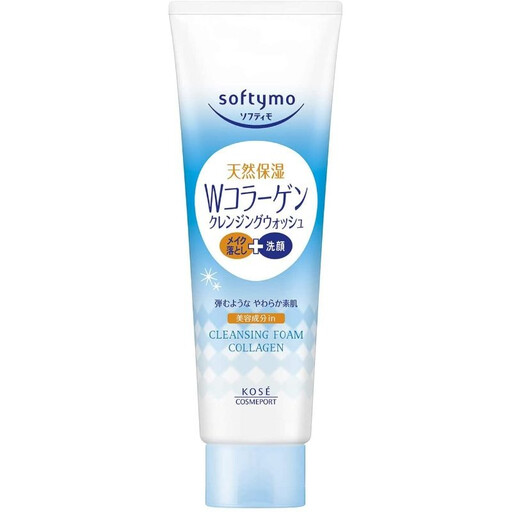
Why this fits the profile: A straightforward Japanese facial cleanser with a generous volume for anyone looking for a daily basic routine.
The usage instructions are straightforward: massage in an appropriate amount and rinse thoroughly. Check the fragrance and ingredients if your skin reacts quickly.
190 gram volume; suitable for morning and evening use according to the product information.
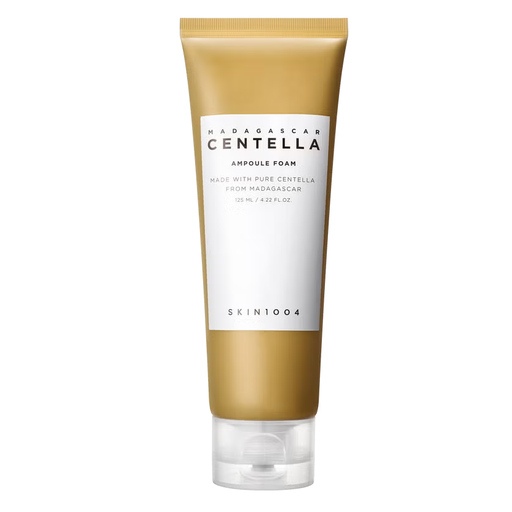
Why this fits the profile: Suits anyone looking for a Korean facial cleanser with a low pH according to the product description and a formula suitable for multiple skin types.
The product information mentions cleansing without a tight or dry feeling. This remains a brand claim; judge the ingredients and comfort for yourself.
125 ml; foaming formula; according to the description intended for morning and evening use.
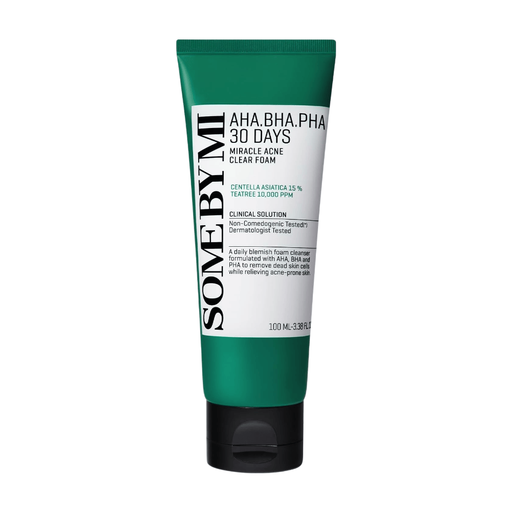
Why this fits the profile: Aimed at users comparing a cleanser with AHA, BHA and PHA for oily, combination or blemish-prone skin.
The product information lists salicylic acid, AHA and PHA and warns of possible irritation and increased sun sensitivity. Do not combine without checking the usage instructions.
100 ml; contains salicylic acid according to the ingredients list; use with attention to skin reactions.
We've put together a full, up-to-date list of products that fully meet these strict selection criteria and comply with current European safety regulations.
For many people, once in the evening is enough to remove dirt, sebum and make-up residue. If you prefer to wash in the morning, you can use a mild cleanser. For dry or sensitive skin, washing twice a day might be too much. Pay attention to how your skin reacts and follow the product instructions.
The shelf life varies from product to product. Check the expiry date, batch information and any period-after-opening symbol on the packaging. Store the cleanser in a cool, dry place away from direct sunlight. If the scent, colour or texture changes, stop using the product.
No. The price alone doesn't tell you how well a facial cleanser will suit your skin. Compare the volume, ingredients, product function and frequency of use. A simple hydrating facial cleanser can be more logical for daily use than a scrub or acid-containing formula that your skin can't tolerate.
