
Vandaag of morgen in huis

Kwaliteit gegarandeerd

Welkomstaanbiedingen ontgrendelen: GRATIS bezorging | Tot 80% korting | Gratis 30 dagen JoyPlus-proefperiode
Download de app
A facial cleanser seems simple: apply, rinse and you’re done. Yet many people buy a product that cleanses too harshly, doesn’t remove enough make-up or leaves their skin feeling tight after a few weeks. Choosing the right face cleanser isn’t just about attractive packaging or popular ingredients. Your skin type, the product’s texture and how you use it all matter.
A rich lather can feel thorough, but it doesn’t tell you whether a cleanser is right for your skin. A foaming cleanser may feel comfortable on oily or combination skin, while dry or sensitive skin may need a gentler formula. Check the full ingredient list rather than judging by the amount of foam.
A pore cleanser can remove dirt, sun cream and excess sebum from the skin’s surface. No cleanser can permanently shrink pores. Brand product descriptions may talk about refined skin texture or a clearer-looking complexion; treat these as claims made by the brand, not guaranteed results.
A cleansing gel isn’t always suitable for removing waterproof make-up or a generous layer of sun cream. A cleansing oil or cleansing balm may be more practical. If you follow it with a water-based cleanser, you’re using a form of double cleansing. This can be useful in the evening, but it isn’t necessarily needed as part of every morning routine.
Here are a few examples from product information:
A 50 ml tube is handy for travel, but a 150 or 200 ml pack may be better value for everyday use. Oils and balms are usually applied to dry skin, then emulsified with water. Gels and foams are generally used on damp skin. Use lukewarm water and massage gently without rubbing hard.

Why it suits this profile: This lightweight cleansing gel contains ingredients including plum water, glycerine and plant extracts, and is designed for daily use.
The product information describes a gel texture and daily cleansing, rather than an aggressive scrub. This makes it a better fit if you want to avoid physical exfoliation.
100 ml size, gel texture and a fragrance-free ingredient list according to the product information provided.
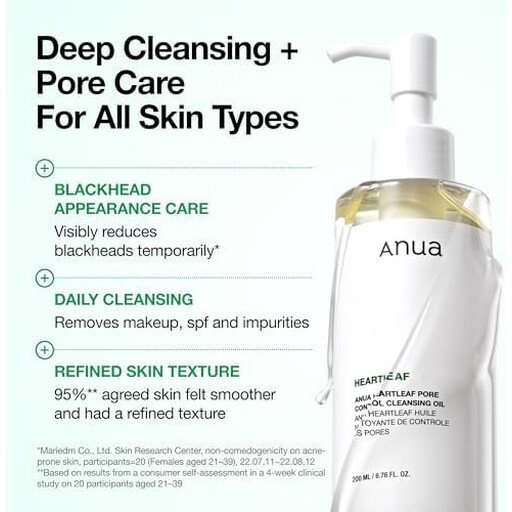
Why it suits this profile: This cleansing oil is designed to dissolve make-up, sun cream and sebum as the first step in an evening routine.
The instructions say to emulsify it with water, then use a water-based cleanser. This means you’re not relying on oil as a universal replacement for every cleansing step.
200 ml size, a lightweight oil texture and clear instructions for double cleansing.
We’ve put together a full, up-to-date list of products that meet these strict selection criteria and comply with current European safety regulations.
For many adults, cleansing once in the evening is enough to remove sebum, dirt, sun cream and make-up. In the morning, you can use a gentle facial cleanser if that feels right for your skin. If your skin is dry or sensitive, rinsing with lukewarm water alone may feel more comfortable in the morning.
Check the expiry date, batch information and period-after-opening symbol on the packaging. Close the tube or pump properly and store the product somewhere cool and dry, away from direct sunlight. If its smell, colour or texture changes, stop using it.
It can be. A cleansing oil is designed to dissolve oily residues such as make-up, sun cream and sebum. Emulsify the oil with water and rinse thoroughly. If your skin still feels oily afterwards, you can add a water-based cleanser as a second step.
