
Vandaag of morgen in huis

Kwaliteit gegarandeerd

Welkomstaanbiedingen ontgrendelen: GRATIS bezorging | Tot 80% korting | Gratis 30 dagen JoyPlus-proefperiode
Download de app
A facial cleanser should remove dirt, sebum, SPF and make-up residue without leaving your skin feeling tight or stretched after washing. Yet the choice isn’t always straightforward. A Korean facial cleanser, Japanese facial cleanser, cleansing gel or cleansing oil may look promising on paper, while the formula doesn’t suit your skin type or daily routine.
Pay particular attention to these three common pitfalls:
A cleansing gel for the face is practical for normal, combination or oily skin and often feels lightweight. A foaming facial cleanser can be pleasant if you enjoy a rich lather, but check the ingredients and how your skin feels after rinsing.
A cleansing oil is particularly useful for make-up, SPF and sebum. Apply the oil to a dry face with dry hands. Then add water so the oil emulsifies, and rinse thoroughly. With heavy make-up, a second cleanse using a gel or foam may be desirable.
Check the full ingredients list on the packaging. Pay attention to:
Compare the volume: many products contain 100 to 200 ml, while mini versions may contain 50 ml, for example. Also check whether you should use the product on a wet or dry face. A cleansing oil typically works on dry skin; a gel cleanser and foam are usually used with water.
Follow the packaging instructions regarding contact with eyes, irritation and shelf life. Stop using the product if you experience redness, itching or a burning sensation. A facial cleanser is a cosmetic product and does not replace advice from a doctor or dermatologist.

Why this fits the profile: The gel texture and 100 ml volume make this a straightforward choice for anyone wanting to try a simple daily facial cleanser.
The product description mentions a light gel and use with damp hands, so you don’t need a scrub for daily cleansing.
Gel texture, 100 ml and, according to the product information, vegan, fragrance-free and without essential oils.
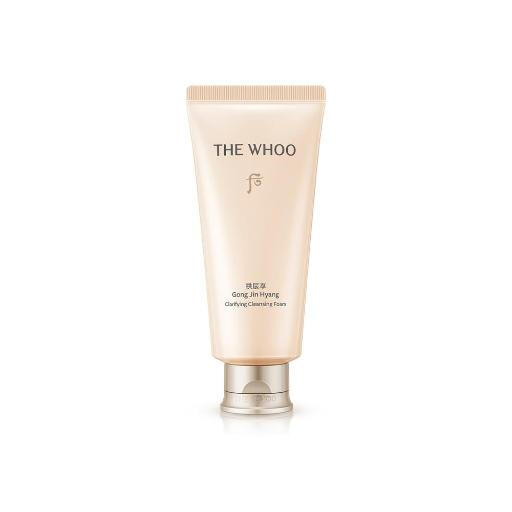
Why this fits the profile: If you value a rich foam texture and a larger size, this Korean facial cleanser is worth considering.
The specifications mention 180 ml and a usage time of 30 to 60 seconds; check for yourself whether this suits your cleansing routine.
Foam cleanser of 180 ml with ginseng extract, liquorice extract and mild surfactants according to the product description.
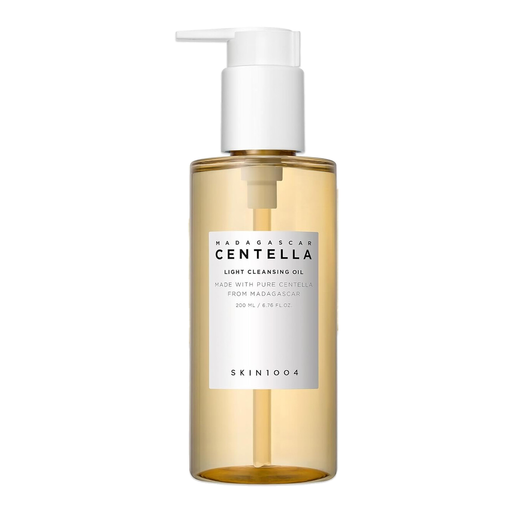
Why this fits the profile: This Korean cleansing oil is aimed at users who wear SPF or make-up daily and need a first cleansing step.
The instructions mention applying to a dry face and then emulsifying with water. This prevents the oil from washing away directly on a wet face.
200 ml, light oil texture and, according to the product description, six plant-based oils with Madagascar Centella extract.
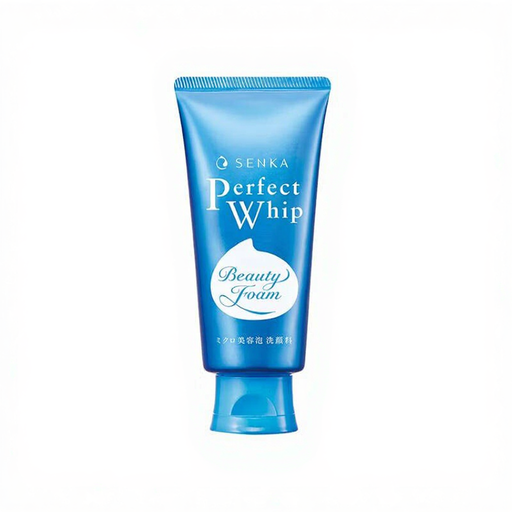
Why this fits the profile: A Japanese foam cleanser for those who value a compact tube and a full, creamy foam in their daily routine.
The recommended method uses water first and then foam, so you don’t have to rub harshly over the skin.
120 g, rich foam texture and ingredients such as glycerin, sodium hyaluronate and hydrolysed silk according to the product information.
We’ve put together a full, up-to-date list of products that fully meet these strict selection criteria and comply with current European safety regulations.
For most routines, once in the evening is enough to remove SPF, make-up and dirt. A second time in the morning can suit an oily skin or when you use a lot of skincare products overnight. If your skin feels tight, use less product or choose a gentler formula.
Yes, a cleansing oil can break down make-up, SPF and sebum. Oily skin doesn’t automatically mean you should avoid oil. Emulsify the oil with water and rinse thoroughly. Afterwards, you can use a facial cleansing gel as a second step if needed.
Replace the product when the expiry date or the period-after-opening on the packaging has passed, or when the scent, colour and texture clearly change. Keep the packaging closed and out of direct sunlight. If irritation occurs, stop using it immediately, even if the shelf life hasn’t expired.
