
Vandaag of morgen in huis

Kwaliteit gegarandeerd

Welkomstaanbiedingen ontgrendelen: GRATIS bezorging | Tot 80% korting | Gratis 30 dagen JoyPlus-proefperiode
Download de app
A facial cleanser might seem like a simple product, but the difference between a comfortable cleanse and a tight, drawn feeling often comes down to the formula. When you search online for a face wash, you’ll regularly see terms like “hydrating,” “low-pH” and “for all skin types.” These descriptions don’t always tell the full story.
So, watch out for three common pitfalls:
A gentle facial cleanser in gel or foam form often suits a morning and evening routine without heavy make-up. Pay particular attention to the usage instructions and how your skin feels after rinsing.
A make-up remover can be used as a first step. Then rinse and follow with a suitable cleanser if you’re doing a double cleanse.
A low-pH cleanser is often chosen by people who want their skin to feel comfortable after washing. However, also check the ingredients list. Products can contain perfume, tea tree oil or other fragrance components. That doesn’t automatically make a formula unsuitable, but a sensitive skin may react differently.
If in doubt:
Claims such as “hypoallergenic,” “dermatologically tested” or “suitable for sensitive skin” should be read as product information from the brand. They are not a personal guarantee.
A pack of 100 to 200 ml can last a long time, depending on how often you cleanse and how much product you use. With oil and balm, the amount per use is often different from a pump bottle of foam.
Check before you buy:
A body wash or hand soap is not a substitute for a facial cleanser. The skin on your face can react differently to cleansing agents, fragrances and the chosen pH.
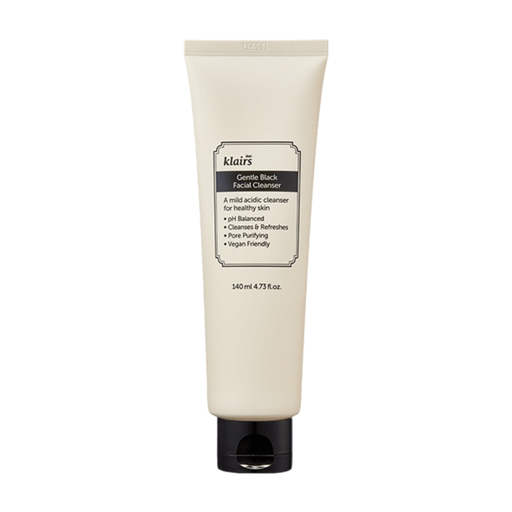
Why this fits the profile: The slightly acidic formula and creamy foam texture appeal to users who want to carefully build their Korean skincare routine.
The product information mentions a slightly acidic cleanser and warns not to get it in the eyes. That gives more concrete information than just “mild.”
140 ml volume, ingredients such as glycerine, ceramide NP and hydrolysed hyaluronic acid; according to the product description, tested for eye and particle cleansing.
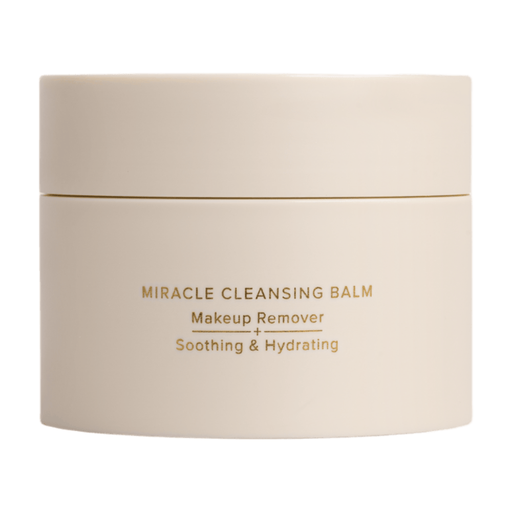
Why this fits the profile: This cleansing balm is designed to break down make-up, SPF, sebum and daily impurities, especially when a gel doesn’t feel sufficient.
The product description explains that the balm turns into a milky texture with water. Rinse thoroughly afterwards to remove any oil residue.
100 ml volume and a balm-to-milk texture; according to the product information, the formula includes sunflower, jojoba and shea butter.

Why this fits the profile: The gel format, tube and 100 ml volume are practical for a short routine or when you want to try a smaller pack first.
The product details mention, among other things, fragrance-free and free from essential oils. Always check the current packaging and ingredients list.
Gel texture, 100 ml volume and ingredients such as glycerine, green tea extract and plum water according to the product information.
A facial cleanser doesn’t need to stay on your skin for long. Using more product or massaging for longer doesn’t automatically make the cleanse more effective.
We’ve put together a full, up-to-date list of products that fully meet these strict selection criteria and comply with current European safety regulations.
For many people, once in the evening is enough to remove dirt, sebum, SPF and make-up. In the morning, you can use a gentle facial cleanser if that feels comfortable. With a dry or sensitive skin, cleansing too often can feel uncomfortable.
Look for a simple formula without ingredients that have irritated you before. A facial cleanser for sensitive skin can be slightly acidic or fragrance-free, but always check the full ingredients list. Even a product that the brand says is suitable for sensitive skin can be experienced differently by individuals.
That depends on the formula and the type of make-up. A cleansing gel can remove light make-up residue, while a cleansing oil or cleansing balm is often more practical for waterproof make-up and SPF. Avoid contact with the eyes and follow the instructions on the packaging.
