
Vandaag of morgen in huis

Kwaliteit gegarandeerd

Welkomstaanbiedingen ontgrendelen: GRATIS bezorging | Tot 80% korting | Gratis 30 dagen JoyPlus-proefperiode
Download de app
A facial cleanser may seem like a simple product, but the difference between a comfortable daily cleanse and skin that feels tight often comes down to the formula, how often you use it and how well it suits your skin. There’s plenty of choice, especially when it comes to Korean and Japanese skincare: from cleansing foam and gel to cleansing oil and low-pH cleansers.
Marketing terms don’t always make it easier to compare products. A cleanser that “cleanses deeply” may feel good on one person’s skin, but too intense for someone with sensitive skin. So don’t rely on the promise on the packaging alone. Check the ingredients, size, directions for use and warnings too.
A foaming cleanser can feel like it gives a thorough cleanse, but more foam doesn’t automatically mean pores are cleaned more effectively. A cleanser that’s too strong can leave your skin feeling tight or dry. If you have oily or acne-prone skin, a formula containing salicylic acid, for example, may be worth considering, but these ingredients don’t guarantee a particular result for your skin.
Claims such as “soothes”, “balances sebum” or “removes fine particles” often come from the brand’s product information. According to SKIN1004’s product description, Madagascar Centella Ampoule Foam removes 92.69% of fine particles. Treat this as a product specification stated by the brand, not a universal result for every user.
Claims about acne, pores or the skin barrier also need to be interpreted carefully. A facial cleanser is a cosmetic skincare product and is not a substitute for advice from a doctor or dermatologist.
Cleansing oil is particularly useful for removing make-up and as the first step in double cleansing. Cleansing gel or foam is usually intended as the second step, or for daily cleansing on damp skin. If you apply oil to dry skin and don’t emulsify or rinse it off properly, it may leave a heavy-feeling layer.
A low-pH cleanser has an acidity level that, according to the product description, is closer to the skin’s natural environment. Low pH Good Morning Gel Cleanser, for example, is sold as a low-pH formula. However, pH alone doesn’t determine whether a product is right for you. Check the cleansing agents, fragrance and active ingredients too.
A 150 ml bottle is practical for daily use, while a 20, 30 or 50 ml mini size can be handy if you want to try a product first. Always read the label for the full ingredients list and expiry information.
Check the directions and warnings too:
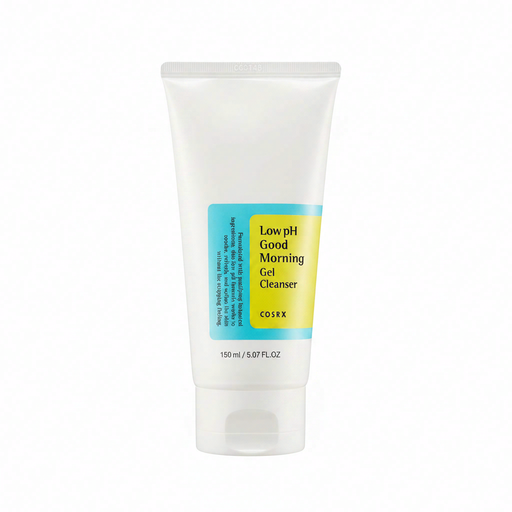
Why it suits this profile: The 50 ml mini size makes this K-beauty cleanser a handy way to try a low-pH cleansing gel before buying a larger bottle.
The product description states that it has a low-pH formula and can be used morning and evening. If you’re sensitive to tea tree oil, check the ingredients first.
50 ml, gel texture, designed to remove dirt and excess sebum.
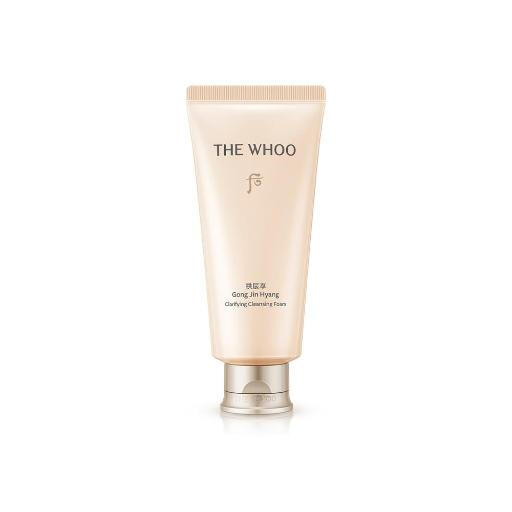
Why it suits this profile: This foaming cleanser comes in a 180 ml bottle, and the product information lists ginseng, liquorice and pearl powder extracts.
The product information gives a specific recommended use time of 30 to 60 seconds. Any effects mentioned remain claims made by the brand about its product.
180 ml, foaming texture and stated to be suitable for all skin types according to the product listing.
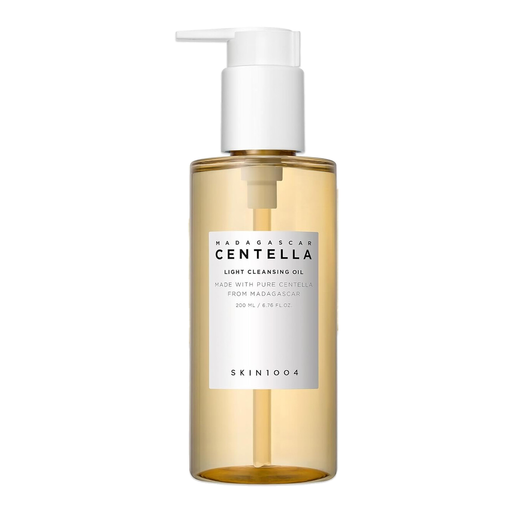
Why it suits this profile: This oil is designed for double cleansing and daily make-up removal. Apply it to dry skin and massage gently before rinsing.
The product description mentions a light texture and rinsing with lukewarm water. If you have sensitive skin, check the full ingredients list.
200 ml, six plant oils according to the product information, and suitable as the first step in double cleansing.

Why it suits this profile: According to the product description, this foaming cleanser contains 0.5% salicylic acid and is designed for combination, oily or acne-prone skin.
The amount of salicylic acid is stated in the product information. This makes it easier to compare than a vague claim about “purifying”, but patch testing is still a good idea.
150 ml, 0.5% salicylic acid according to the product listing, and a foaming texture for daily cleansing.
We’ve put together a complete, up-to-date list of products that meet these strict selection criteria and the applicable European safety requirements.
Use a small amount on damp skin in the morning and evening, unless the label advises otherwise. Massage gently without rubbing hard, then rinse with lukewarm water. For double cleansing, first apply cleansing oil to dry skin. Follow with a cleansing gel or foam.
A gentle facial cleanser doesn’t need to stay on your skin for long. Massaging for longer doesn’t automatically make it more effective and may feel uncomfortable for some skin types. Pat your skin dry with a clean towel, then apply your usual skincare.
For most routines, once in the morning and once in the evening is enough. If you have dry or sensitive skin, rinsing with water alone in the morning may feel more comfortable. Always follow the directions on the packaging.
Cleansing oil is generally more practical for removing make-up and sunscreen. You can then use a foam or gel to rinse away any residue. If you wear waterproof make-up, check whether the product description says it can remove it.
Check the expiry date, batch information and open-jar symbol on the packaging. Store the cleanser in a cool, dry place, close the lid securely and avoid contact with the eyes. Always follow the information on the specific product’s packaging.
