
Vandaag of morgen in huis

Kwaliteit gegarandeerd

Welkomstaanbiedingen ontgrendelen: GRATIS bezorging | Tot 80% korting | Gratis 30 dagen JoyPlus-proefperiode
Download de app
A facial cleanser may seem like a simple product, but the difference between a comfortable daily routine and tight, uncomfortable skin often comes down to the details. A face wash can cleanse too aggressively, a cleansing gel may not remove enough makeup, and a cleansing foam may feel unpleasant for certain skin types.
That is why choosing the right facial cleanser depends on more than just the brand or packaging. Pay close attention to your skin type, the texture, the ingredients and when you plan to use it. Below, we outline common purchasing pitfalls and popular 2026 options suited to different needs.
A clean feeling after washing does not automatically mean a product is suitable for daily use. If your skin feels tight, dry or irritated after cleansing, the formula may be too intensive for your skin. Especially if you have sensitive or dry skin, a gentle facial cleanser is often more practical than a heavily foaming alternative.
Terms such as “hydrating”, “balancing” or “suitable for all skin types” offer an initial impression, but they do not tell you everything about the formula. Check the ingredients list and product details. Glycerin, panthenol, betaine and hyaluronic acid, for example, are often used in products described as providing a more comfortable skin feel.
Performance claims come from brands and sellers. According to the brand’s own research or product information, certain ingredients may contribute to a specific experience, but this is not a guarantee for every skin type.
A regular cleanser does not always remove all waterproof makeup or sunscreen residue in a single wash. In that case, micellar water, cleansing milk or an oil-based first step may be more effective. You can then follow with a water-based facial cleanser to remove any remaining residue.
A cleansing gel usually feels lightweight and may transform into a soft lather. A cleansing foam can produce a richer lather, although the experience varies from formula to formula. Cleansing milk is generally applied with dry hands to a dry face and is suitable when you want to loosen makeup and impurities without excessive rubbing.
According to its product description, micellar water such as NIVEA Refreshing Micellar Water is designed to remove dirt and makeup without rinsing. Always check the directions for use and make sure your skin continues to feel comfortable.
Do not focus solely on the initial marketing message; check the full ingredients list as well. In particular, look out for:

Why This Fits Their Persona: A compact Korean facial cleanser for anyone looking for a simple gel texture for everyday use.
The gel texture makes the product’s feel clearer than vague claims such as “deep cleansing”. According to the product information, the formula is free from fragrance and essential oils.
100 ml, gel texture, glycerin and plum water according to the ingredients list.
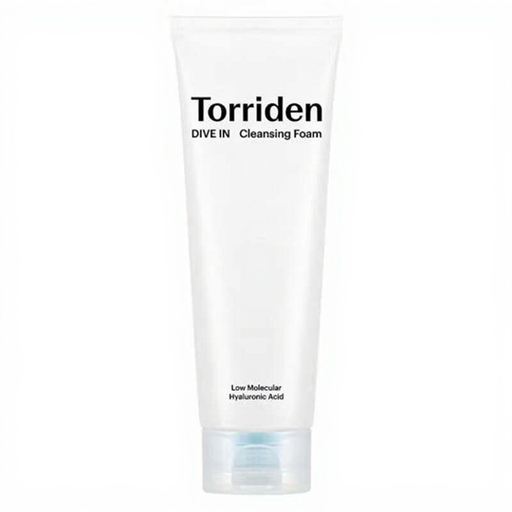
Why This Fits Their Persona: Ideal for users seeking a rich lather and a formula focused on hydration.
The product information highlights a vegan formula and eight types of hyaluronic acid. Check the packaging for the latest information.
150 ml and a cleansing foam containing glycerin, panthenol and hyaluronic acid according to the ingredients list.
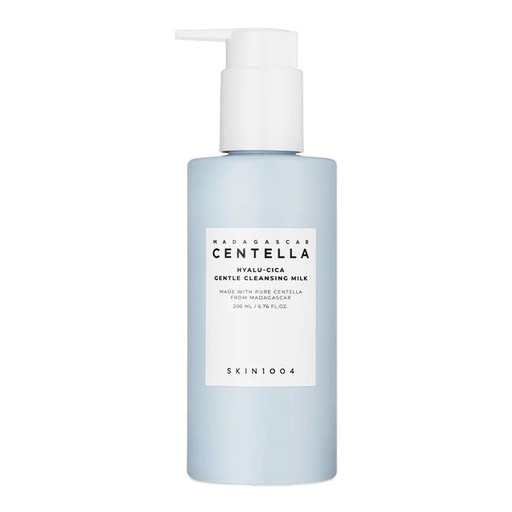
Why This Fits Their Persona: A practical choice for anyone who prefers to loosen makeup and impurities with a cleansing milk as the first step.
The directions specify applying it with dry hands to a dry face. A second cleanser is recommended for heavy makeup.
200 ml cleansing milk containing glycerin, panthenol, ceramide NP and centella extract according to the ingredients list.
Explore a current selection of water-based facial cleansers and compare texture, size, ingredients and skin type.
For many people, cleansing in the morning and evening fits well into a daily routine. If you have dry or sensitive skin, cleansing once a day may feel more comfortable. Always follow the product’s directions for use and stop if persistent irritation occurs.
The terms are often used interchangeably. A face wash is usually a product that you rinse off with water, such as a cleansing gel or cleansing foam. Cleanser is a broader term and may also include cleansing milk or makeup remover.
That depends on your makeup, sunscreen and chosen facial cleanser. For light makeup, one cleanser may be enough. Waterproof makeup or multiple layers of product may benefit from using micellar water or cleansing milk first, followed by a water-based cleanser. After cleansing, check that your skin feels clean without feeling tight or irritated.
