
Vandaag of morgen in huis

Kwaliteit gegarandeerd

Welkomstaanbiedingen ontgrendelen: GRATIS bezorging | Tot 80% korting | Gratis 30 dagen JoyPlus-proefperiode
Download de app
A facial cleanser seems like a simple product: apply, rinse and you’re done. Yet many people buy a face wash that cleanses too intensely, leaves their skin feeling tight or is not suited to their skin type. Terms such as “purifying”, “deep cleansing” and “acne care” can create expectations that the formula does not automatically deliver.
A good facial cleanser removes dirt, excess sebum, sun cream and make-up residue without leaving your skin feeling uncomfortable after washing. Below, you’ll find out which features to check and which popular choices suit different user profiles.
A strongly foaming cleansing gel can feel particularly thorough. That does not automatically mean it is better suited to your skin. A tight or dry feeling after rinsing may indicate that the formula is too intensive for you. If you use a cleanser every day, you will usually benefit more from a gentle facial cleanser that leaves your skin feeling comfortable.
Words such as “hydrating”, “balancing” or “suitable for all skin types” mean little without checking the full ingredients list and usage instructions. For example, check whether the formula contains glycerine, panthenol or other moisturising ingredients. Also look out for perfume, essential oils, menthol and alcohol if your skin reacts easily.
Claims about performance should also be read in the right context. According to a brand’s own research, certain ingredients may support a particular effect, but this is not a guarantee for every user. A facial cleanser is intended for external use and is not a substitute for treating skin problems.
A salicylic acid facial cleanser may be worth considering for oily or blemish-prone skin, but salicylic acid is not suitable for everyone. The product information from and NIVEA lists salicylic acid as part of the formula and advises, among other things, avoiding contact with the eyes. Stop using the product if irritation occurs and, if you have sensitive skin, try a small amount on a limited area of skin first.
First, choose according to your skin type and routine:
A low-pH formula is often chosen by people who want to respect the skin’s natural balance. The Low pH Good Morning Gel Cleanser, for example, is described in the product listing as a low-pH cleanser. This is a verifiable product specification, but it does not by itself mean that the product is suitable for everyone.
Also check which cleansing agents are used. Cocamidopropyl betaine, coco-glucoside and amino acid-based cleansers are found in several gentle formulas. A rich lather is primarily a matter of texture and user experience; it is not an independent measure of quality.
Sizes vary considerably, from a compact 50 ml pack to 150 or 200 ml bottles. A small pack is convenient for travelling or trying out a new formula. For everyday use, a larger bottle may be more practical.
Use a cleanser on a damp face unless the label states otherwise. Massage gently with your fingertips, rinse thoroughly and pat your skin dry. Make-up or waterproof sun cream may require a separate first cleansing step. Always check the expiry information on the packaging.
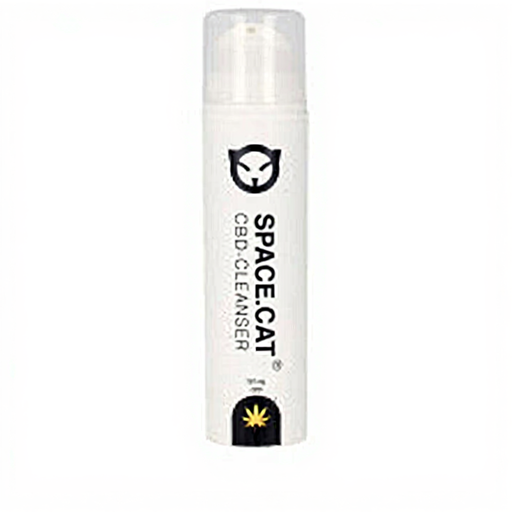
Why it suits this profile: The compact 50 ml dispenser is a straightforward choice for anyone trying a facial cleanser for the first time or wanting to take one with them when out and about. The product information states that the formula is suitable for normal and sensitive skin.
The description highlights daily use without a tight feeling. However, check the full packaging, especially if your skin is sensitive to citrus oil or fragrance components.
Gel texture, 50 ml size and ingredients such as glycerine and coco-glucoside, according to the product listing.

Why it suits this profile: This Korean facial cleanser combines a gel texture with a 100 ml size. The product description mentions plum water, mung bean extract and use for all skin types.
The description specifies the cleansing gel and the steps for use. Do not expect an automatic solution for every skin concern; a patch test is still advisable.
100 ml tube, gel texture and, according to the product listing, a fragrance-free and vegan formula.
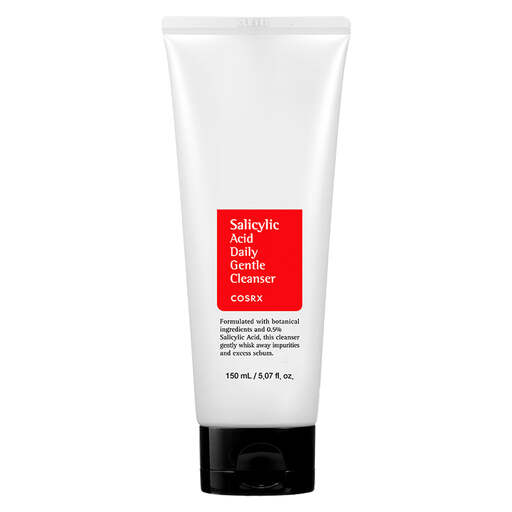
Why it suits this profile: This cleanser is aimed at users who are deliberately looking for a formula with an active ingredient for oily, combination or acne-prone skin.
The listing mentions 0.5% salicylic acid and warns about irritation and allergic reactions. Introduce it gradually and follow the label.
150 ml size, salicylic acid as the listed active ingredient and a formula containing tea tree oil and willow bark water.
We’ve put together a complete, up-to-date list of products that fully meet these strict selection criteria and the applicable European safety regulations.
For many people, once in the morning and once in the evening is sufficient. If you have dry or sensitive skin, cleansing only in the evening may feel more comfortable. Do not massage too vigorously and use lukewarm water.
Check the expiry date and the period after opening on the packaging. Store the cleanser in a cool, dry place away from direct sunlight, and close the cap or pump securely. Has the scent, colour or texture changed? Do not use the product.
That depends on your make-up and sun cream. An ordinary gel cleanser can remove light residue, but waterproof products may require a separate first cleansing step. Follow up by cleansing again with a gentle facial cleanser to rinse away any remaining product residue.
