
Vandaag of morgen in huis

Kwaliteit gegarandeerd

Welkomstaanbiedingen ontgrendelen: GRATIS bezorging | Tot 80% korting | Gratis 30 dagen JoyPlus-proefperiode
Download de app
A facial cleanser for acne needs to remove dirt, sunscreen and excess sebum without leaving your skin feeling unnecessarily dry or tight. That sounds simple enough, but many products are marketed with terms like “deep cleansing”, “pore cleanser” or “anti-acne”. On their own, these words tell you very little about the formula or how to use it day to day.
The right choice depends on your skin type, the ingredients, and how often you plan to use the product. Below, you’ll discover which pitfalls to avoid and which product specifications actually make a practical difference.
A lot of foam feels refreshing, but more foam doesn’t automatically mean a cleanser is cleaning better. A formula with strong cleansing agents can leave some people with a dry or tight feeling. This can be particularly troublesome for sensitive or combination skin.
So don’t just focus on the texture. Also check whether the product description mentions fragrance, essential oils, acids, and the recommended usage. A gentle facial cleanser may be more suitable if your skin quickly feels red or tight.
A salicylic acid cleanser contains an ingredient often used in products for oily skin and clogged pores. However, the presence of salicylic acid doesn’t mean every skin problem will automatically disappear. The concentration, the rest of the formula, and the contact time on the skin all play a part.
According to the product information, the Salicylic Acid Daily Gentle Cleanser contains 0.5% salicylic acid. Other products may list 4,500 ppm or 5,000 ppm. Always check the label and the warnings. Build up usage gradually if your skin reacts sensitively.
A Korean facial cleanser can contain interesting ingredients, but its origin alone doesn’t tell you enough about whether it’s right for your skin. Tea tree oil, peppermint oil, citrus oil and fragrance can be less pleasant for some users. So look at the full ingredients list, not just a popular ingredient on the front.
A gel is often practical for daily facial cleansing and can be pleasant for normal, combination or oily skin. A facial cleansing foam gives a light, airy feel, while a powder cleanser is used per dose.
For dry or sensitive skin, a gentle formula with, for example, glycerine or hydrating ingredients is worth considering. Also pay attention to the instructions: some products are intended for morning and evening, while others are best used less often depending on your skin condition.
For a facial cleanser for blemish-prone skin, you can look out for:
According to a brand’s own research, certain ingredients may have a specific effect. Treat such brand claims as product information, not as a guaranteed result. Stop using the product if irritation occurs and follow the warnings on the packaging.
Don’t just compare the price of a tube. Look at the volume and the amount you need per use. A 150 ml bottle can work out more economical than a 50 ml mini, while a mini is handy for travel or for trying something out first.
Capsules or powder portions give a fixed dose. This can reduce waste, but the packaging requires more attention when storing. Always store every cleanser according to the instructions, away from direct sunlight and out of reach of children.
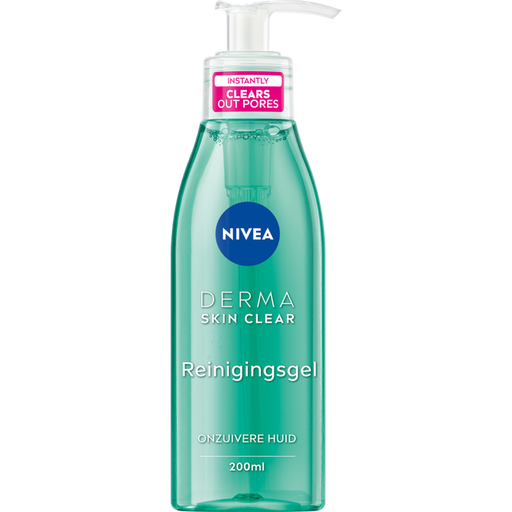
Why this fits the profile: The packaging contains 150 ml and the product information states daily use in the morning and evening. The formula contains salicylic acid and niacinamide and is described as fragrance-free.
The ingredients list and usage instructions are clearly stated. This means you can check in advance whether salicylic acid suits your routine, rather than relying solely on a marketing claim.
150 ml volume; salicylic acid and niacinamide listed; fragrance-free formula according to the product description.

Why this fits the profile: This gel cleanser is designed for daily, gentle cleansing. The product information lists plum water, mung bean extract and glycerine.
The formula is a gel and not specifically based on an acid. This can suit users who mainly want to remove dirt and sebum without immediately choosing an exfoliating ingredient.
100 ml gel; glycerine and plant extracts listed; fragrance-free and essential-oil-free according to the product data.
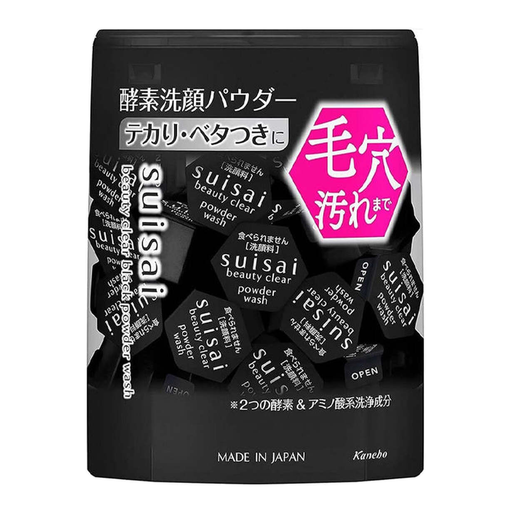
Why this fits the profile: The capsules are individually packaged per use. This is practical for travel or when you want a fixed amount of powder.
The packaging makes the portion size clear. However, use the product according to your skin condition and the warnings; powder with enzymes and clay isn’t automatically suitable for daily use on every skin type.
32 capsules; powder form; charcoal and Moroccan lava clay listed in the ingredients.
We’ve put together a full, up-to-date list of products that fully meet these strict selection criteria and comply with current European safety regulations.
Don’t use multiple products with acids at the same time without first checking that your skin can tolerate it. For persistent or severe skin concerns, advice from a GP or dermatologist is wiser than constantly switching cleansers.
That depends on the formula and your skin type. Some products state daily use, but salicylic acid can cause irritation on sensitive skin. Start with less frequent use if needed and follow the packaging instructions.
That depends on the volume, the amount you use per wash, and whether you use the product once or twice a day. A 150 ml bottle will generally last longer than a 50 ml mini. Also check the expiry information on the packaging.
Not necessarily. A daily cleanser can remove dirt and excess sebum, but a cleanser won’t solve every skin problem. Choose a formula that suits your skin type and avoid harsh scrubbing or over-cleansing.
