
Vandaag of morgen in huis

Kwaliteit gegarandeerd

Welkomstaanbiedingen ontgrendelen: GRATIS bezorging | Tot 80% korting | Gratis 30 dagen JoyPlus-proefperiode
Download de app
A suitable facial cleanser for acne and blemish-prone skin removes sebum, sun cream, make-up residue and dirt without leaving your skin feeling tight. However, choosing the right one is not always straightforward. A foaming acne cleanser can feel pleasantly thorough, but washing too often or for too long can make your skin feel uncomfortable. Terms such as “pore-minimising” or “30-day miracle” also reveal little about the formula or how the product should be used.
This practical guide helps you assess the formula, skin type, size and instructions for use. That way, you can find a facial cleanser for spots that suits your routine, rather than choosing based solely on an eye-catching marketing claim.
Skin that feels tight or dry after washing has not necessarily been cleansed more thoroughly. This is particularly true for sensitive or combination skin, where an aggressive cleansing gel can make your daily routine less comfortable. Look for gentle surfactants, hydrating ingredients such as glycerine and clear safety information.
Salicylic acid, AHA, BHA and PHA are often mentioned in connection with exfoliating facial cleansers. According to product descriptions, these ingredients can help remove dead skin cells or cleanse blocked pores. That does not make every formula suitable for daily use. If you have sensitive skin, it is wiser to introduce the product gradually. Stop using it if irritation occurs and always follow the label.
Not every cleanser for blackheads is a facial product. The Some By Mi AHA-BHA-PHA Body Cleanser, for example, is intended for the body, including areas such as the back, chest and shoulders. Always check the intended area of use. A larger size may seem better value, but it is not the right choice if the product is not designed for your face.
For oily skin, a foaming formula can help wash away excess sebum and dirt. The Kao Biore Cleansing Facial Foam is an example of a foaming facial cleanser in a 150-gram size which, according to the product description, is particularly suitable for oily and combination skin.
For sensitive skin, a mild cleanser for sensitive skin with a moderate pH and gentle cleansing agents is a more sensible starting point. The Dr. Althea Green Relief Amino Gel Cleanser states that it has a mildly acidic pH of 5.0–6.0 and uses amino acid- and coconut-based cleansers, among other ingredients. Check the full ingredients list if you are sensitive to fragrance or essential oils.
Please note: claims made by brands about reducing spots, redness or blemishes come from the brand’s product description. Do not regard them as a medical guarantee. If you have persistent or severe acne, you may wish to consult your GP or a dermatologist.
A 100 to 150 ml bottle is practical for daily use. A 50 ml mini size is useful for trying out a Korean facial cleanser first or taking it on holiday. A leave-on exfoliant, such as the 40 ml NIVEA DERMA Skin Clear Daily Nourishing Night Exfoliant, is not an ordinary rinse-off cleansing gel: according to the instructions, the product is applied in the evening and left on the skin.
You will generally use a cleanser on a wet face, massage gently and rinse thoroughly. Products containing acids or scrub particles require extra care when it comes to frequency of use. The NIVEA DERMA Skin Clear Face Scrub, for example, states that it should be used no more than two to three times a week.
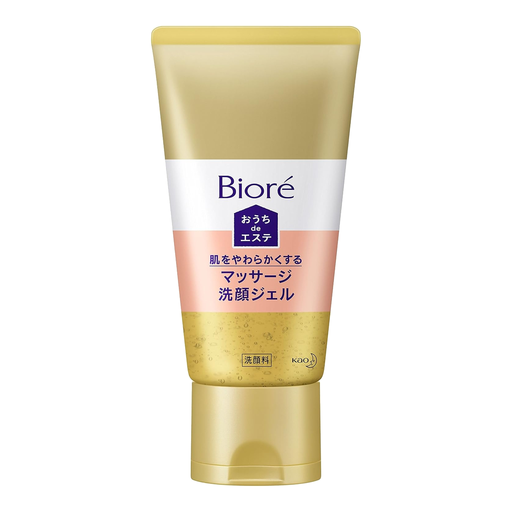
Why it suits this profile: An easy-to-rinse foam in a standard size for a morning and evening routine.
The product information explicitly mentions cleansing excess oil, dirt and impurities, and states that it is suitable for oily and combination skin.
150 g contents; rich foaming texture; suitable for daily use according to the product description.
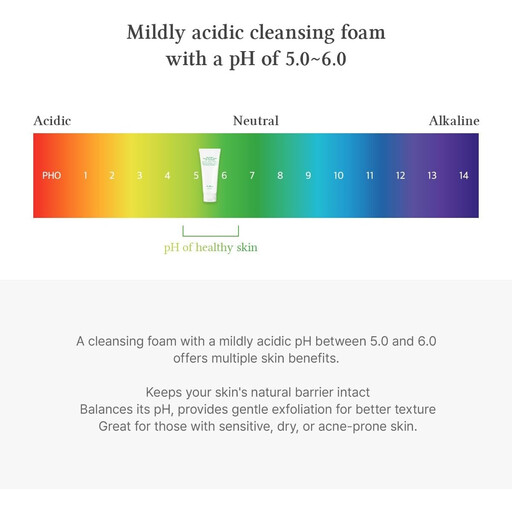
Why it suits this profile: A gel cleanser for anyone who values pH, lather and gentle cleansing over a strongly degreasing sensation.
The stated pH of 5.0–6.0 and amino acid-based cleansers provide specific information rather than just a general claim about gentleness.
100 ml; gel texture; contains glycerine, betaine and hyaluronic acid according to the ingredients list.
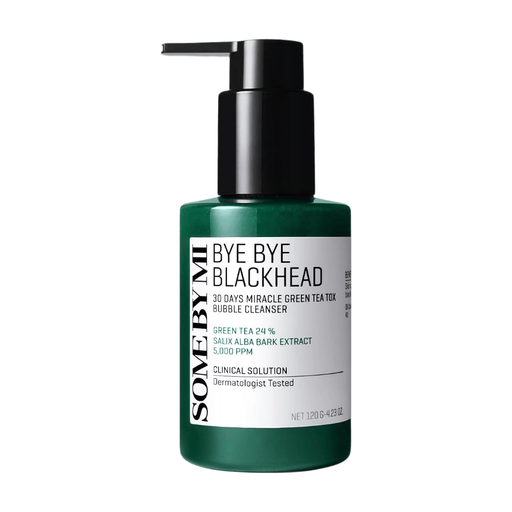
Why it suits this profile: Designed for users who give extra attention to blackheads and blocked pores in their routine.
The instructions state a contact time of 3–5 minutes and include warnings about AHA/BHA, essential oils and sun sensitivity. This makes the application more specific.
120 g; bubble cleanser; contains green tea, willow bark extract and tea tree according to the ingredients list.
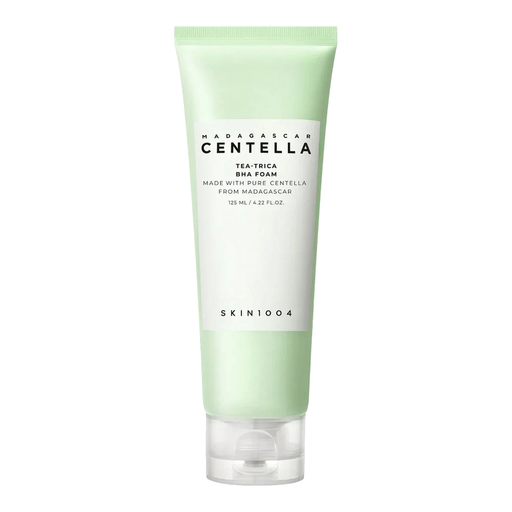
Why it suits this profile: Suitable for anyone looking for a Korean facial cleanser with short, easy-to-follow instructions.
The product details state a pH of 5.5, a 125 ml size and daily use. However, check the ingredients list for tea tree if you have sensitive skin.
125 ml; cleansing gel; contains centella asiatica and tea tree oil according to the product information.
We have put together a complete, up-to-date list of products that fully meet these strict selection criteria and the applicable European safety regulations.
An ordinary cleansing gel is often used once or twice a day, depending on the product instructions and how your skin reacts. With an exfoliating facial cleanser containing AHA, BHA or PHA, it may be wiser to start by using it less often. Do not use a scrub and several acid-based products at the same time without checking the instructions.
That depends on the formula and the individual. Salicylic acid may suit some people with oily or acne-prone skin, but it can also cause irritation. Test a new product on a small area of skin first, avoid damaged skin and stop using it if you experience redness, itching or a burning sensation. Follow the warnings on the packaging.
This depends on the size and how much you use each time. A 150 ml bottle will generally last longer as part of a daily routine than a 50 ml mini. After opening, check the information on the packaging, such as the expiry date or the period after opening. Do not use more product than necessary: a small amount that lathers well is usually enough.
