
Vandaag of morgen in huis

Kwaliteit gegarandeerd

Welkomstaanbiedingen ontgrendelen: GRATIS bezorging | Tot 80% korting | Gratis 30 dagen JoyPlus-proefperiode
Download de app
A facial cleanser seems simple: apply, rinse and you’re done. Yet choosing the wrong one can leave your skin feeling tight, dry or not fully cleansed of make-up and SPF. Marketing terms such as “deep cleansing”, “refreshing” and “suitable for all skin types” also do not always tell you enough about the formula.
With this practical guide, you can compare a face wash, cleansing gel, cleansing foam and other formulas based on the features that really matter in everyday use.
Lots of foam does not automatically mean that a product cleanses better. Some foaming formulas contain cleansing agents that can leave your skin feeling dry or tight when used frequently. This is particularly important if you have dry or sensitive skin: look at the full ingredients list rather than judging the product by its texture alone.
A mild facial cleanser with a gel or cream-like texture may be a more comfortable alternative to a very airy or intensely foaming cleanser.
An ordinary facial cleanser removes light dirt and excess sebum, but not every formula is designed for waterproof make-up or stubborn SPF. If you wear foundation, mascara or water-resistant sun protection every day, a separate make-up remover, cleansing oil or micellar water may be useful.
With double cleansing, you use an oil or micellar product first. This is followed by a water-based product, such as a cleansing gel or cleansing foam. It is not necessary for everyone, but it can be practical when wearing heavier make-up or several layers of SPF.
A product may be described by the brand as hydrating, soothing or suitable for sensitive skin. That does not mean that every user will have the same experience. According to the product information provided by some brands, ingredients such as glycerine, panthenol or hyaluronic acid help support a comfortable skin feel, but this does not constitute a medical effect.
Always check the ingredients, directions for use and warnings. Stop using the product if irritation occurs and avoid contact with the eyes.
Choose the texture that best fits your routine:
Check the directions for use when choosing micellar water. According to the product description, some products do not need to be rinsed off, while rinsing is recommended for other formulas.
A low pH cleanser has an acidity level closer to that of the skin’s natural surface. This may feel comfortable for some users, but pH alone does not determine whether a facial cleanser is suitable. The surfactants used, any fragrance and the formula as a whole also play a part.
For example, the product information for the Low-pH Good Morning Cleanser describes it as a low-pH gel cleanser designed to remove impurities and excess sebum. The ingredients list includes cocamidopropyl betaine, citric acid and tea tree oil, among others. If you are sensitive to fragrances or plant oils, it is worth checking the full list beforehand.
For dry skin, ingredients such as glycerine, panthenol and certain hydrating ingredients are worth looking out for. If you have sensitive skin, a fragrance-free formula may be a practical choice, although fragrance-free does not automatically mean that irritation is impossible.
Also compare the volume: the range includes tubes from 100 to 200 ml and micellar water in 400 ml bottles. A larger pack may offer better value for daily use, but always check the shelf life and the recommended period after opening.

Why it suits this profile: According to the product information, this Korean facial cleanser has a lightweight gel texture and is designed for daily cleansing. The 100 ml tube is a manageable size if you want to try a new formula.
The product description refers to a gel cleanser rather than an aggressive foam and mentions glycerine and plant extracts. If you have sensitive skin, check the current packaging carefully.
Gel texture, 100 ml volume and product information highlighting hydration and cleansing.
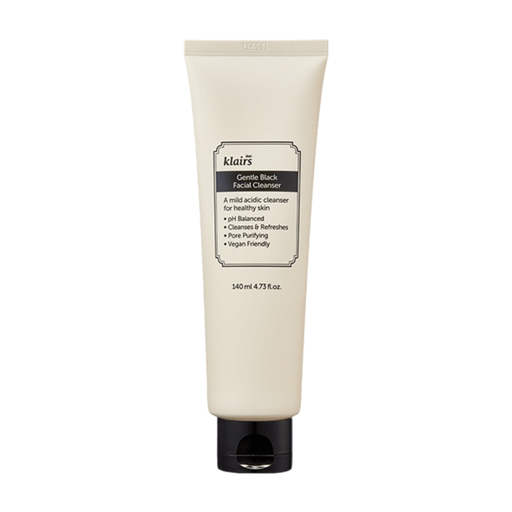
Why it suits this profile: If you compare the ingredients list carefully, you will find a mildly acidic cream formula containing glycerine, ceramide NP and hydrolysed hyaluronic acid, according to the product information.
The formula is not assessed on a marketing claim alone: the listed ingredients and directions for use are practical, verifiable selection criteria.
140 ml, a mildly acidic cream base and ingredients suited to a hydrating cleansing routine.
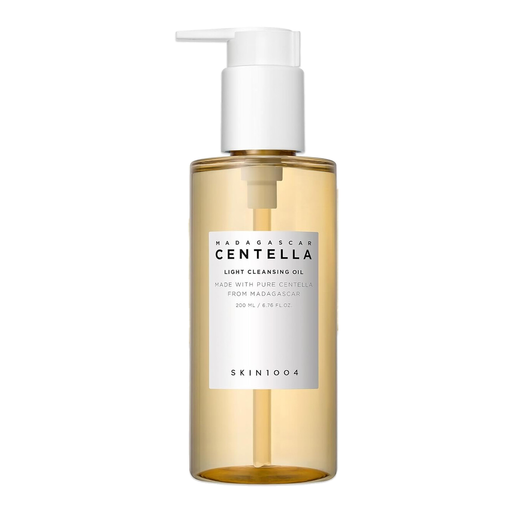
Why it suits this profile: According to the product description, this cleansing oil is designed to loosen make-up and impurities. That makes it suitable for an evening routine involving SPF, foundation or waterproof make-up.
The product is not presented as a universal face wash, but as an oil for a specific first cleansing step. Follow with a water-based cleanser if needed.
200 ml volume and application to a dry face with dry hands.
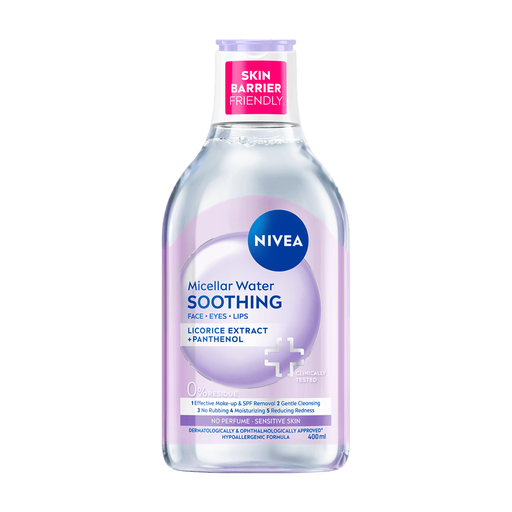
Why it suits this profile: The product information describes a fragrance-free micellar formula for sensitive skin that is used with a cotton pad. This is useful when rinsing is not practical.
The directions for use emphasise gently wiping the skin without rubbing hard. If you are removing waterproof make-up, check whether you need several cotton pads.
400 ml volume, fragrance-free product information and use on the face and closed eyes according to the directions for use.
If you have acne-prone or oily skin, cleansing more often and more vigorously is not automatically beneficial. Overly intensive daily cleansing can actually feel uncomfortable. If you have dry or sensitive skin, a facial cleanser for sensitive skin without fragrance or with a mild cleansing base may be a more practical choice. Test a new product on a small area of skin first.
We have put together a complete, up-to-date list of products that fully meet these strict selection criteria and the applicable European safety regulations.
That depends on your skin and routine. Cleansing can be practical after wearing make-up or SPF, exercising or spending a long day outdoors. In the morning, water alone may be enough for some people. For daily use, choose a formula that does not leave your skin feeling tight.
Micellar water is usually applied with a cotton pad and is useful for removing make-up. Cleansing foam is lathered with water and then rinsed off. If you wear lots of make-up or SPF, both products can be used together as part of a double-cleansing routine.
This varies according to the volume and the amount used each time. A 150 ml tube will generally last longer with daily use than a 100 ml pack, but usage depends on how much you dispense and whether you cleanse once or twice a day. Also check the expiry information and the period after opening shown on the packaging.
