
Vandaag of morgen in huis

Kwaliteit gegarandeerd

Welkomstaanbiedingen ontgrendelen: GRATIS bezorging | Tot 80% korting | Gratis 30 dagen JoyPlus-proefperiode
Download de app
A facial cleanser may seem like a simple product, but the difference between comfortable daily cleansing and tight-feeling skin often comes down to the details. A face wash may cleanse too intensely, a cleansing gel may contain fragrance, and a cleansing oil may be impractical when you mainly want to remove your make-up quickly.
For Dutch consumers, there are also some additional points to consider: product information may come from different markets, packaging is not always in Dutch, and terms such as “deep cleansing”, “pore refining” or “acne care” say little about the formulation on their own. Use this checklist to compare a Korean facial cleanser, Japanese facial cleanser and other cleansers in a practical way.
A lot of foam does not automatically mean that a facial cleanser removes more dirt. A rich cleansing foam can feel pleasant, but on dry or sensitive skin, a formula that cleanses too intensely may leave your skin feeling tight. Pay attention to how your skin feels after rinsing, rather than just the amount of foam.
Words such as “pore cleanser”, “anti-acne” and “purifying” are no guarantee of a particular result. According to some brands’ product descriptions, formulations may contain ingredients such as salicylic acid, tea tree oil, clay or heartleaf extract. These are verifiable ingredients, but the effects described by the brand should not be confused with a medical claim.
An acne facial cleanser may suit oily or blemish-prone skin, but it is not a substitute for treatment or advice from a doctor or dermatologist.
A standard cleansing gel does not always completely remove waterproof make-up or sunscreen residue. A cleansing oil is often more practical as a first step. You can then use a gentle face wash. This method is known as double cleansing. If you are wearing little make-up, one suitable facial cleanser is usually sufficient.
Start by choosing based on your skin and routine:
A product marketed as a “cleanser for all skin types” is not automatically suitable for everyone. Always check the full ingredients list and safety warnings.
A cleansing gel is lightweight and generally rinses off quickly. A foam cleanser or cleansing foam feels airier, while a cleansing oil is suitable for loosening make-up and oily residue. Also consider the size:
A low pH cleanser is formulated with a lower acidity which, according to the product description, is intended to help respect the skin’s moisture balance. Also check:
Claims such as “dermatologically tested”, “hypoallergenic” or “non-comedogenic” are product claims. Use them as additional information, not as a personal guarantee.
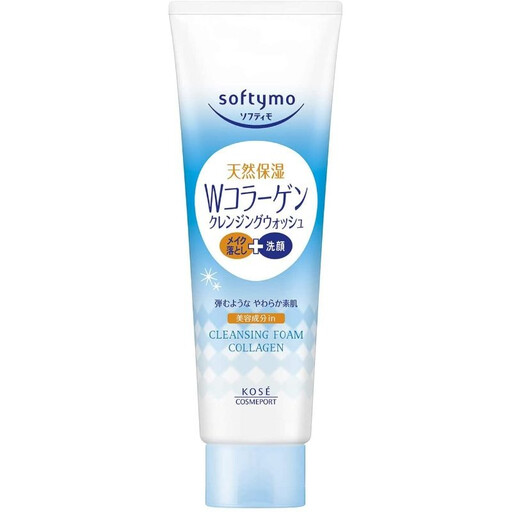
Why it suits this profile: The 190-gram pack is practical for daily use in the morning and evening. The foaming texture is easy to apply with water.
The product information makes no medical claims. You are therefore choosing it mainly based on texture, quantity and instructions for use, rather than exaggerated claims about results.
190 g contents; suitable for morning and evening use; made in Japan.
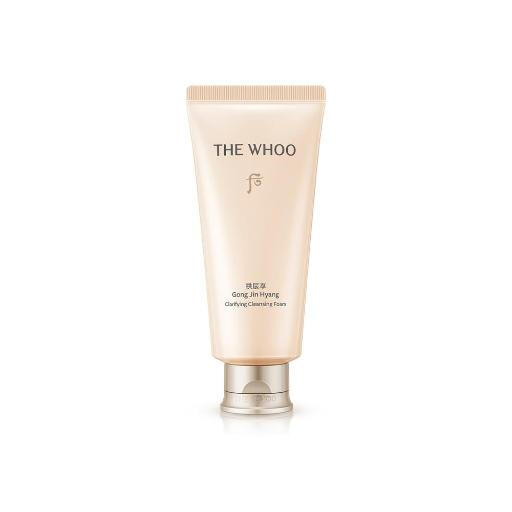
Why it suits this profile: This Korean facial cleanser contains a generous 180 ml and has a foaming texture. The product description mentions ingredients including ginseng extract, liquorice extract and gentle surfactants.
The description provides specific information about the quantity, ingredients and usage: apply to a damp face, massage in for 30 to 60 seconds and rinse off.
180 ml contents; gentle surfactants according to the product information; stated as suitable for all skin types.
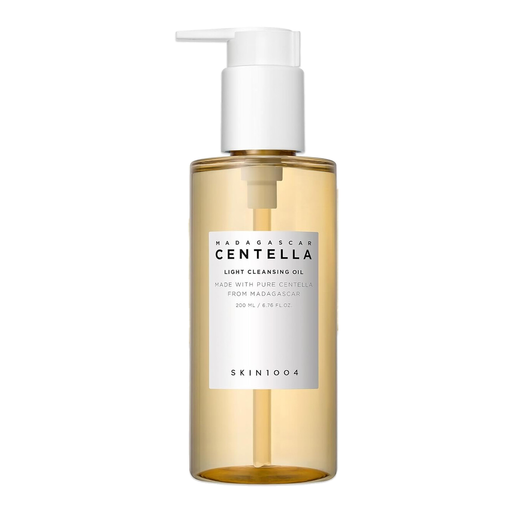
Why it suits this profile: A cleansing oil is a sensible choice if you want to remove make-up, sunscreen or oily residue every day. The instructions say to apply it to dry skin with dry hands.
You do not use this product as just any face wash, but specifically as the first step for make-up removal and double cleansing. This means the texture matches the cleansing purpose.
200 ml contents; lightweight oil formula according to the product description; suitable for loosening make-up and removing excess sebum.
We have put together a complete, up-to-date list of products that fully meet these strict selection criteria and the applicable European safety regulations.
First dampen your face when using a cleansing gel or foam. Take a small amount, spread the product using gentle circular movements and rinse with lukewarm water. Vigorous rubbing or prolonged massaging is generally unnecessary.
When using a cleansing oil, make sure your hands and face are dry unless the packaging states otherwise. Then add a little water to emulsify the oil and rinse thoroughly. A second cleansing step may be useful when removing waterproof make-up.
Stop using the product if you experience redness, stinging or itching, and follow the safety information on the packaging. A patch test is advisable when using active ingredients.
For most adults, once in the evening is enough. In the morning, you can use a gentle face wash if your skin feels oily, but simply rinsing with water may also be more suitable for dry or sensitive skin.
Check the expiry date, batch number and open-jar symbol on the packaging. Keep the cleanser sealed in a cool, dry place away from direct sunlight. If the scent, colour or texture changes, stop using the product.
This depends on the size, the amount used each time and how often you cleanse. With normal use, a 150 to 200 ml pack often lasts longer than a 30 or 50 ml mini. So do not compare the unit price alone: consider the quantity and purpose too. A cleansing oil for make-up removal, for example, may be an additional step alongside your daily cleansing gel.
