
Vandaag of morgen in huis

Kwaliteit gegarandeerd

Welkomstaanbiedingen ontgrendelen: GRATIS bezorging | Tot 80% korting | Gratis 30 dagen JoyPlus-proefperiode
Download de app
A facial cleanser may seem like a simple product, but choosing the wrong one can make your routine unnecessarily expensive. A foaming cleanser may leave your skin feeling fresh and clean, only for it to feel tight afterwards. A cleansing oil can dissolve make-up effectively, but it is not always practical when you are short on time. And a product described as “deep cleansing” says little by itself about its ingredients or how it should be used.
The main pitfalls are:
The formula mainly determines how and when you use the product.
A Korean facial cleanser is not automatically gentler or more intensive than a European or Japanese product. Compare the ingredients list, size and instructions instead of looking only at the country of origin.
Check the ingredients and warnings on the label. Ingredients such as glycerine, panthenol and hyaluronic acid are often used in formulas designed to support a comfortable feeling on the skin. However, this does not mean that every skin type will react in the same way.
Fragrance, essential oils and certain preservatives may be less suitable for some users. If you are choosing a cleanser for sensitive skin, it is wise to test a small amount on a limited area of skin first. Stop using the product if you experience redness, itching, swelling or a burning sensation.
People looking for gentler cleansing often choose a low-pH formula. However, check whether the pH value is actually stated on the packaging or in the product information; the term “low pH” alone is not a complete specification.
A cleanser for daily use should fit into your morning and evening routine. Use lukewarm water, massage without rubbing hard and pat the skin dry. If you have oily skin, cleansing more often or more aggressively is not automatically beneficial.
Compare the number of millilitres or grams with the price. A 50 ml pack may be suitable for travel or trying a product for the first time, while 150 to 200 ml may be more practical for daily use.
Always check the best-before date, batch information and period after opening on the packaging. Some products, for example, are marked 12M to indicate how long they can be used after opening. The packaging and current product information are the deciding factors, particularly with parallel-imported cosmetics, where the fragrance, packaging or texture may vary by region.

Why it suits this profile: The gel texture and 100 ml size make this an accessible choice for anyone wanting to try daily cleansing without buying a large bottle straight away.
The product information describes a gel cleanser to be used with lukewarm water, making the instructions easy to follow instead of using an exfoliant as a cleanser.
100 ml, gel texture and, according to the product information, vegan and free from fragrance and essential oils.
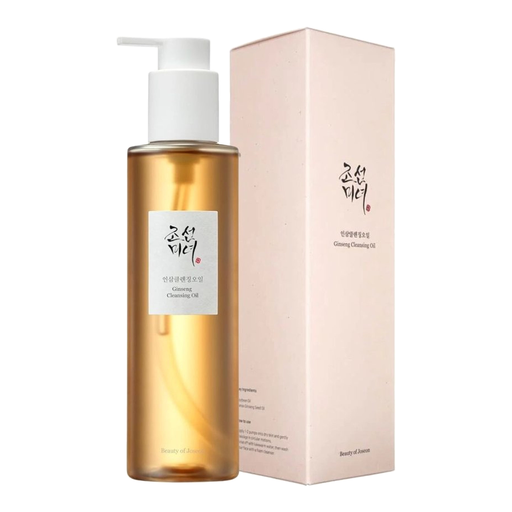
Why it suits this profile: Anyone who wears make-up or sun cream every day may find an oil-based first cleansing step practical.
The instructions describe applying it to a dry face and emulsifying it with water. This makes the method clearer than simply claiming that it removes make-up.
210 ml, pump bottle and oil formula containing soybean oil and ginseng seed oil according to the ingredients list.
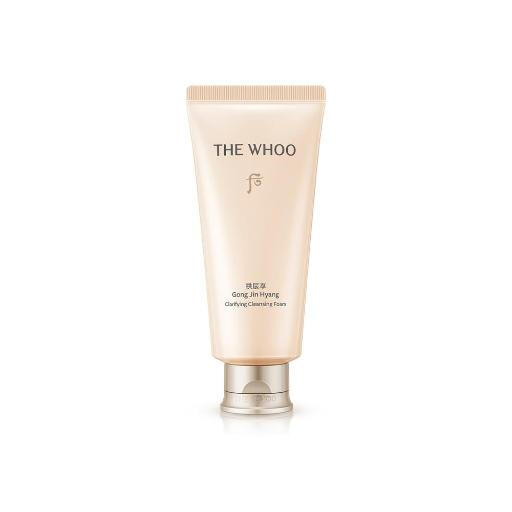
Why it suits this profile: A 180 ml foaming formula suits anyone who enjoys a consistent evening routine with a rich cleansing foam.
The product information mentions gentler surfactants and gives a clear massage time of 30 to 60 seconds. Check the current packaging for the full instructions.
180 ml, foam cleanser and, according to the product information, contains ginseng extract and liquorice extract.
We have put together a complete, up-to-date list of products that fully meet these strict selection criteria and the applicable European safety regulations.
For many adults, cleansing in the evening is enough to remove sebum, sun cream, make-up and dirt. In the morning, a gentle cleanse or simply lukewarm water may be suitable, depending on your skin type and overnight skincare routine. A cleanser for oily skin does not automatically need to provide strong cleansing twice a day.
That depends on the make-up and the formula. Waterproof make-up and sun cream may come off more easily with a cleansing oil as a first step. You can then use a gel or foam if you prefer double cleansing. Do not rub hard around the eyes, and follow the instructions on the packaging.
Check the best-before date, batch information and open-jar symbol on the packaging. Shelf life varies from product to product. Store the cleanser closed, in a dry place and away from direct sunlight. If the fragrance, colour or texture changes noticeably, stop using the product and check the product information.
