
Vandaag of morgen in huis

Kwaliteit gegarandeerd

Welkomstaanbiedingen ontgrendelen: GRATIS bezorging | Tot 80% korting | Gratis 30 dagen JoyPlus-proefperiode
Download de app
A facial cleanser seems simple enough: apply, rinse and you’re done. Yet many people buy a product that cleanses too aggressively, doesn’t remove make-up properly or leaves their skin feeling tight after a few weeks. There’s a huge choice, particularly when it comes to Korean and Japanese skincare. Terms such as low pH, pore deep cleansing and hydrating sound appealing, but they only tell you so much. It’s also worth checking the ingredients, texture and instructions for use.
A rich lather can feel fresh and thorough. That doesn’t automatically mean a foaming cleanser is suitable for daily use or for dry and sensitive skin. A product that feels overly stripping may leave your skin feeling tight after washing. So check the combination of cleansing agents, fragrance, alcohol and hydrating ingredients.
A cleanser that deeply cleanses pores can be appealing if you have oily or combination skin. But stronger cleansing isn’t always better. A cleanser for acne-prone skin, for example one containing salicylic acid, may appeal if you want to remove excess sebum, but ingredients can also cause sensitivity. According to product information, the Salicylic Acid Daily Gentle Cleanser contains 0.5% salicylic acid and tea tree oil. If you have sensitive skin, always check the full ingredients list and test the product on a small area of skin first.
Micellar water is handy for removing make-up and SPF residue, especially when you’re not near a sink. A cleansing gel or foam is usually used with water. If you wear waterproof make-up every day, a two-step cleanse may work well: start with micellar water or a cleansing cream, then use a gentle facial cleanser. Always follow the instructions on the packaging. Some products don’t need rinsing; others do.
First, choose according to your everyday needs:
A product described by the brand as suitable for “all skin types” may still feel different from person to person. Your skin’s condition, the climate and the rest of your routine all play a part.
A low-pH cleanser is designed to be less stripping than some alkaline soaps. The Low-pH Good Morning Cleanser states that it has a low-pH formula and contains ingredients including cocamidopropyl betaine, glycerine and betaine salicylate. The product description positions this gel primarily for oily and acne-prone skin. This is a claim made by the brand, so decide for yourself whether the ingredients and the way it feels suit your skin.
Also check the order of the ingredients. Ingredients listed near the top are generally present in greater amounts than those further down. If your skin reacts easily to cosmetics, look out for fragrance and essential oils too.
Cleansing gels, foams and micellar water are used in different ways:
Compare the size too. The products in this selection range from 120 g to 400 ml, for example. A larger pack is only better value if you like the texture and will use the product within the recommended period after opening.
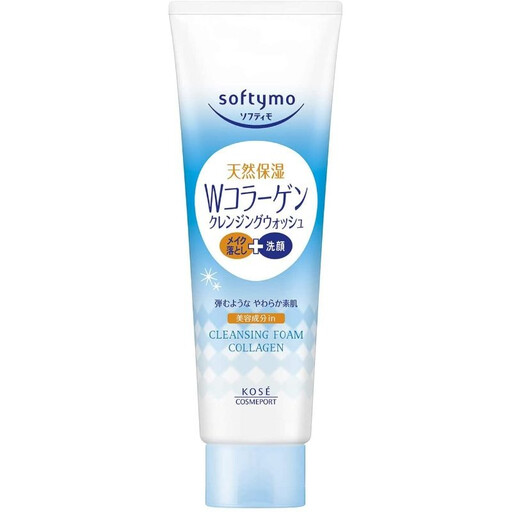
Why it suits this profile: The pack contains 190 g, and the instructions are simple: massage in a suitable amount and rinse off. This makes this Japanese face wash an easy addition to your daily routine.
The product information clearly explains how to use it, its size and the warnings. Stop using it if redness, irritation or discomfort occurs, and avoid contact with your eyes.
190 g; according to the product description, suitable for morning and evening use.
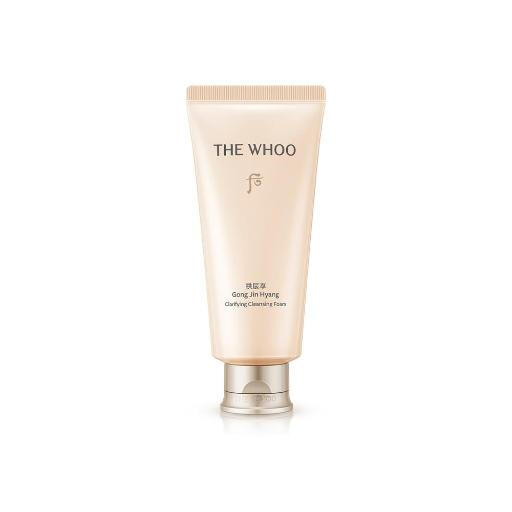
Why it suits this profile: If you value a more involved Korean skincare routine, this foaming cleanser contains ingredients including ginseng extract, liquorice extract and mild surfactants, according to the product description.
The recommended leave-on time is around 30 to 60 seconds. This encourages a gentle cleanse rather than vigorous rubbing.
180 ml; listed as dermatologically tested and free from parabens.
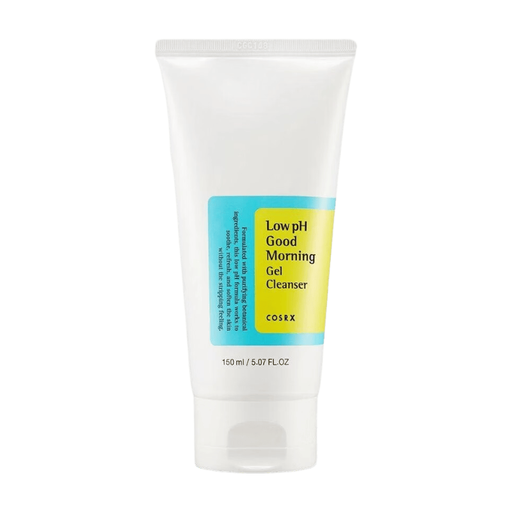
Why it suits this profile: According to the brand description, this gel is designed to remove impurities and excess sebum. This makes the formula a good fit for oily, combination or acne-prone skin.
The instructions say to remove make-up first, then rinse off the cleanser with lukewarm water. This helps you avoid using one product for two different jobs.
Low-pH formula according to the product information; 150 ml; listed as suitable for morning and evening use.
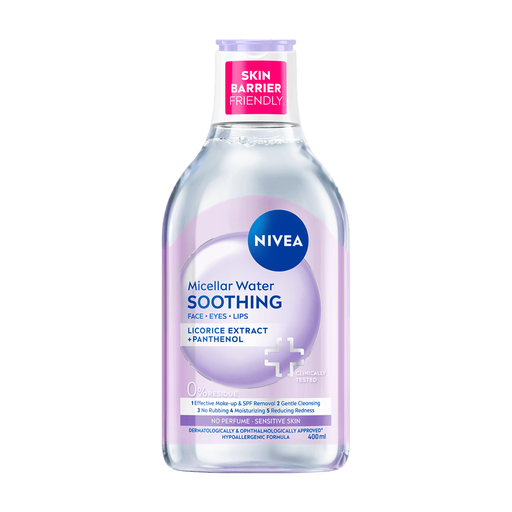
Why it suits this profile: The product description lists a fragrance-free formula with panthenol, liquorice extract and an amino acid complex. This micellar water is designed for use on the face and closed eyes.
The instructions recommend sweeping gently rather than rubbing. This is handy for the delicate eye area and for removing make-up every day.
400 ml; according to the product information, it is fragrance-free and can be used without rinsing.
We’ve put together a complete, up-to-date list of products that meet these strict selection criteria and current European safety regulations.
Stop using the product if you experience a burning sensation, persistent redness or swelling. Always check the current packaging for ingredients, expiry date, batch number and warnings.
For most daily routines, cleansing once in the morning and once in the evening is common, but the right frequency depends on your skin type and the product. If you have dry or sensitive skin, cleansing too often may feel uncomfortable. Follow the instructions for use and adjust your routine according to how your skin reacts.
Micellar water is usually used with a cotton pad to lift make-up, SPF and dirt from the skin. A cleansing gel is generally applied with water and rinsed off. If you wear a lot of make-up, combining the two can be handy, but check whether the packaging says to rinse off the micellar water.
Check the packaging for the expiry date and the open-jar symbol, for example 6M or 12M. Store the product in a cool, dry place away from direct sunlight. Has the smell, colour or texture changed? Stop using it, even if the expiry date hasn’t passed.
