
Vandaag of morgen in huis

Kwaliteit gegarandeerd

Welkomstaanbiedingen ontgrendelen: GRATIS bezorging | Tot 80% korting | Gratis 30 dagen JoyPlus-proefperiode
Download de app
A facial cleanser may seem like a simple product, but choosing the wrong one can quickly leave your skin feeling tight, greasy or more irritated. Anyone searching online for a Korean facial cleanser, Japanese facial cleanser, face wash or cleansing foam will also come across plenty of marketing claims. The packaging may promise “deep cleansing”, “hydrating” or “suitable for all skin types”, while the full ingredients list and usage instructions are far more important.
As a Joybuy Product Recommendation Officer, I mainly focus on verifiable information: texture, size, ingredients, stated pH and how the product is used. This helps you avoid paying for a formula that does not suit your routine.
A cleanser that removes plenty of sebum and make-up can feel refreshing after a long day. However, if you use it too often or massage too vigorously, your skin may start to feel tight. For dry or sensitive skin in particular, a gentle cleansing gel, cleansing milk or cleanser with hydrating ingredients is often more practical.
Centella, hyaluronic acid, soya extract and plant extracts may sound appealing, but no single ingredient determines how a cleanser works overall. The product is rinsed off again. So also check the surfactants, fragrance, essential oils and any warnings.
A brand’s own research may suggest that an ingredient has a particular effect, but this is not a universal guarantee for every user. If you have sensitive skin, always check the current INCI list on the packaging.
A cleansing oil works differently from a face wash. You will usually apply it to a dry face with dry hands. Then add water and rinse thoroughly. Depending on the product instructions, cleansing milk can be removed with a cotton pad or water.
If you are wearing a lot of make-up or water-resistant sun cream, double cleansing can be useful: start with a cleansing oil or milk, followed by a foam, gel or foam cleanser. This is not an essential step for everyone and may be unnecessary if your skin becomes dry or sensitive easily.
A low pH cleanser generally has a mildly acidic pH value. Products such as the Low pH Good Morning Gel Cleanser state a low pH in the product information. SKIN1004 Madagascar Centella Ampoule Foam states a pH of 5. However, check that the information applies to the exact variant and packaging you are buying.
Also look at the cleansing agents used. The Dr. Althea Green Relief Amino Gel Cleanser lists, among others, amino acid- and coconut-based cleansing agents. Torriden mentions sodium cocoyl glycinate and sodium lauroyl glutamate, among others. These details are more concrete than a general claim such as “gentle”.
A hydrating facial cleanser may contain glycerine, panthenol or hyaluronic acid, for example. The Torriden DIVE-IN Low Molecular Hyaluronic Acid Cleansing Foam lists several forms of hyaluronic acid. NIVEA Essentials Refreshing Cleansing Milk contains glycerine and sodium hyaluronate.
For a cleanser for sensitive skin, it is not just hydrating ingredients that matter. Fragrance, limonene, linalool and essential oils may be potential concerns for some users. The Dr. Althea gel, for example, lists bergamot oil, sage oil, limonene and linalool. This does not automatically make it unsuitable, but check the ingredients if you have reacted to fragrances in the past.
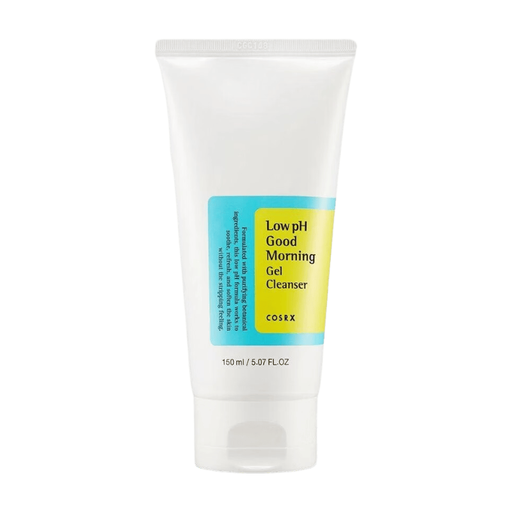
Why it suits this profile: The gel texture and product information about a low pH make this cleanser easy to assess if you are looking for a simple daily routine.
The pH value and ingredients list are clearly stated. This means you do not have to rely solely on the term “deep cleansing”.
150 ml size; gel texture; low pH and glycerine stated.
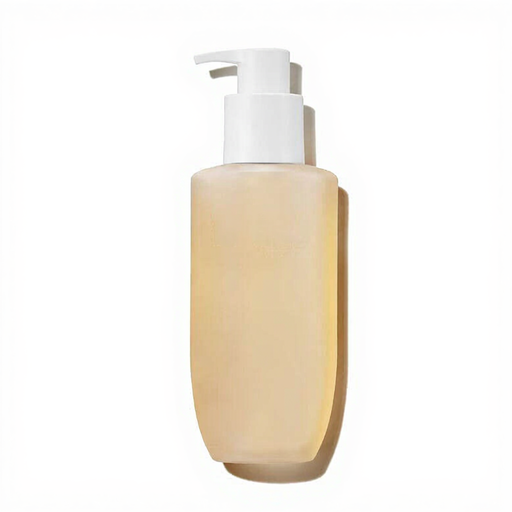
Why it suits this profile: The pump bottle and 200 ml size are ideal if you value a consistent morning and evening routine.
The instructions recommend mixing with water and rinsing with lukewarm water. The ingredients list also includes fragrance and limonene, so check this in advance if you have sensitive skin.
Pump-dispensed foam texture; 200 ml; stated as suitable for all skin types in the product details.
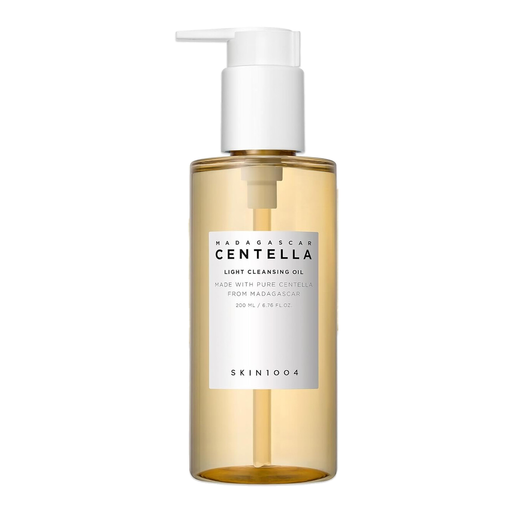
Why it suits this profile: This Korean cleansing oil is designed to remove make-up and works well as the first step of double cleansing.
The instructions specify using it on a dry face with dry hands. This prevents the oil from being diluted before make-up and sebum have been dissolved.
200 ml; six plant-based oils according to the product description; designed as a make-up remover and first cleansing step.
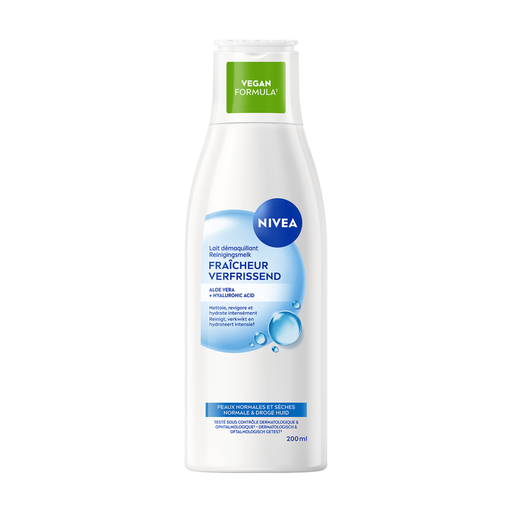
Why it suits this profile: The milky texture and stated glycerine and sodium hyaluronate are a good fit for a routine where comfort after cleansing matters.
The instructions allow it to be removed with a cotton pad or water. However, take note of the stated fragrance if you are sensitive to it.
200 ml; milky texture; glycerine and sodium hyaluronate listed in the ingredients.
We have compiled a complete, up-to-date list of products that fully meet these strict selection criteria and the applicable European safety regulations.
If you are using a cleansing oil, follow the specific instructions for use on dry or damp skin. If you have blemish-prone skin, it is best not to add several exfoliating products at the same time. A product name containing AHA, such as ANUA Heartleaf AHA Moisturizing Cleansing Foam, does not automatically mean that you need an intensive exfoliation routine. Check the packaging and stop using the product if irritation occurs.
Look for a short, clear ingredients list and watch out for fragrance, essential oils and known personal triggers. A gentle cleansing milk or simple gel may feel comfortable, but skin reactions vary. Test a new product on a small area of skin first and follow the safety instructions.
No. Double cleansing is mainly useful when you want to remove make-up, waterproof mascara, sun cream or a lot of sebum. Otherwise, use one suitable cleanser. If you have dry skin, cleansing too often or too intensively can feel uncomfortable.
This depends on the size and how much you use each time. A 150 to 200 ml bottle will generally last longer with daily use than a 20 or 50 ml travel size. Always check the expiry date and the period-after-opening symbol on the packaging. Stop using the product if you experience redness, swelling, itching or any other irritation.
