
Vandaag of morgen in huis

Kwaliteit gegarandeerd

Welkomstaanbiedingen ontgrendelen: GRATIS bezorging | Tot 80% korting | Gratis 30 dagen JoyPlus-proefperiode
Download de app
A facial cleanser may seem like a simple product, but the range varies considerably. There are cleansing oils, micellar waters, cleansing gels and foaming facial cleansers. The right choice depends on what you want to remove, how your skin reacts and how many steps you want to include in your daily routine.
Many consumers buy products based on terms such as “gentle”, “low pH” or “for all skin types”. These descriptions do not tell you everything. Always check the ingredients list, directions for use and warnings on the packaging. Below, you can read which pitfalls to avoid and which features are practically relevant.
A richly foaming facial cleanser feels fresh, but lots of foam does not automatically mean that the product is better suited to your skin. Formulas containing cleansing fatty acids, fragrance or certain essential oils may feel less comfortable for some users, particularly those with sensitive skin.
Pay attention to the ingredients and how your skin feels after rinsing. A tight or burning sensation is a sign to stop using the product and review the ingredients again.
Micellar water is convenient for removing make-up and for quick cleansing. However, a film of cleansing agents may remain on the skin. For sensitive or easily reactive skin, rinsing may therefore feel more comfortable, even if the brand states that rinsing is not necessary.
NIVEA and Avène describe their micellar products as suitable for cleansing without rinsing. This is a claim from the brands’ product information, not a guarantee that every skin type will find this equally comfortable.
A cleanser for acne-prone skin may contain ingredients such as salicylic acid or tea tree oil. According to the brand’s product description, the Salicylic Acid Daily Gentle Cleanser contains 0.5% salicylic acid. This is a verifiable product specification, but it does not mean that the product treats or prevents a skin condition.
Use this type of formula according to the label and watch for irritation. Cleansing more often or massaging for longer will not automatically produce better results.
Choose the texture based on what you use each day:
If you wear make-up or water-resistant SPF every day, you can opt for double cleansing: start with a cleansing oil, followed by a water-based cleanser.
A low pH cleanser is often chosen by people looking for a gentler cleanse. However, do not focus solely on the term “low pH”. Also check the cleansing agents, fragrance, essential oils and potential allergens.
The Low-pH Good Morning Cleanser lists ingredients including cocamidopropyl betaine, sodium lauroyl methyl isethionate and tea tree oil. The product description states that the formula is suitable for daily use and oily or acne-prone skin. This remains information provided by the brand; individual tolerance may vary.
A short ingredients list is not automatically gentler. Pay particular attention to:
If you wish, test a new product on a small area of skin first. Stop using it if you experience redness, itching, swelling or a burning sensation. Avoid direct contact with the eyes and follow the packaging instructions.
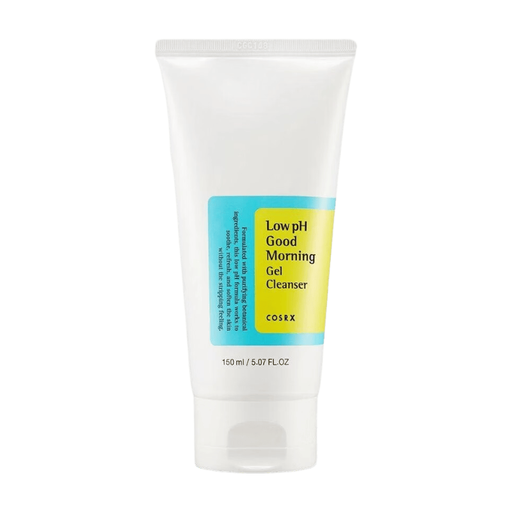
Why it suits this profile: The gel texture and 150 ml size make this a straightforward choice for anyone starting out with a daily cleanser. According to the product description, the formula is intended for morning and evening use.
The product information mentions its pH approach and provides clear directions for use, so you do not have to judge it solely by the amount of foam it produces.
Gel texture, 150 ml size and ingredients such as glycerine, betaine salicylate and tea tree oil, according to the stated ingredients list.
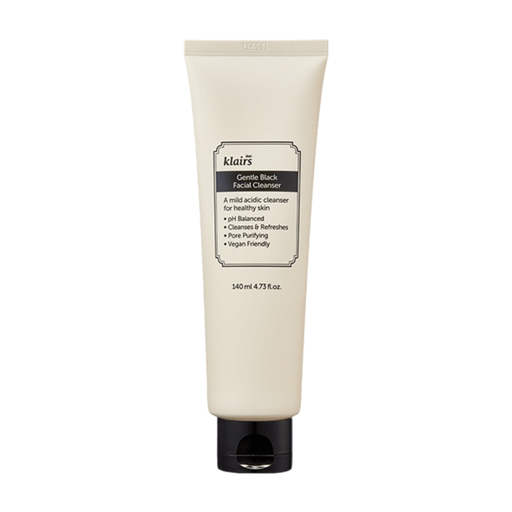
Why it suits this profile: If you value a Korean facial cleanser with a creamy texture, this could be worth considering. The product description mentions a mildly acidic formula containing ingredients including glycerine, ceramide NP and beta-glucan.
The ingredients list is available, allowing you to check for fragrance and other ingredients before ordering.
140 ml size, foaming cream cleanser and various caring ingredients, according to the product information.
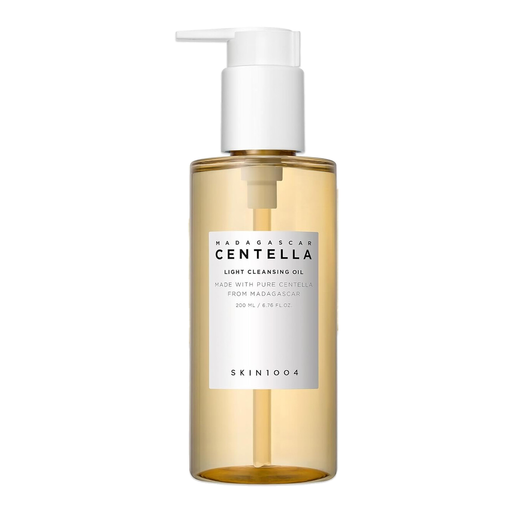
Why it suits this profile: This cleansing oil is suitable for users who want to loosen make-up, SPF and sebum as a first step. The instructions state that it should be applied to a dry face and then rinsed off with lukewarm water.
The usage steps explain how to emulsify or rinse off the oil with water, reducing the chance of an unpleasant residue.
200 ml size, six plant oils and Madagascar Centella, according to the brand’s product description.
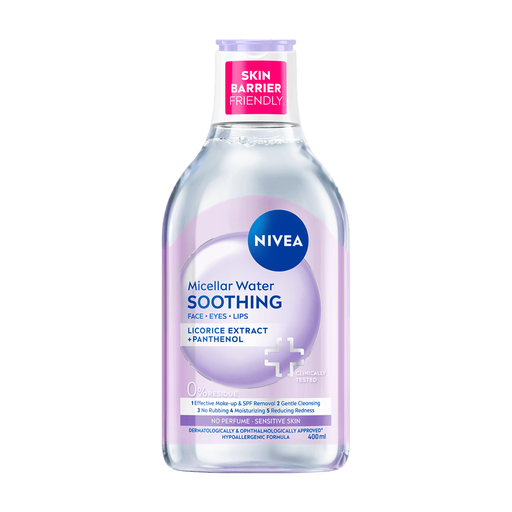
Why it suits this profile: The 400 ml bottle and cotton-pad application are practical for a short routine or removing make-up at the end of the day.
The formula states that it is fragrance-free and contains panthenol and an amino acid complex. Check the full ingredients list if your skin is prone to reacting.
400 ml size, fragrance-free formula according to the product information, and intended for use on the face and closed eyes.
We have put together a complete, up-to-date list of products that fully meet these strict selection criteria and the applicable European safety regulations.
For many routines, cleansing once in the evening is enough to remove dirt, sebum, make-up and SPF. If you produce a lot of sebum or sweat in the morning, or simply prefer using a product, you can cleanse in the morning too. If you have dry or sensitive skin, using only lukewarm water in the morning may feel more comfortable.
Double cleansing is particularly useful when you wear make-up, waterproof products or water-resistant SPF. First use a cleansing oil or micellar water, followed by a cleansing gel or foaming cleanser. Without make-up or heavy SPF, one suitable facial cleanser is often enough.
Check the expiry date and the open-jar symbol on the packaging. Store the product in a cool, dry place away from direct sunlight, and close the packaging properly. Has the smell, colour or texture changed? Do not continue using the product. Also take note of warnings relating to known allergies and stop using it if irritation occurs.
