
Vandaag of morgen in huis

Kwaliteit gegarandeerd

Welkomstaanbiedingen ontgrendelen: GRATIS bezorging | Tot 80% korting | Gratis 30 dagen JoyPlus-proefperiode
Download de app
A facial cleanser may seem like a straightforward product: apply, rinse and you’re done. Yet the wrong formula can leave your skin feeling tight, cause excess shine shortly after cleansing or trigger irritation around the nose and eyes. The range is especially extensive when it comes to Korean and Japanese skincare. Terms such as “deep cleansing”, “pore care” and “moisturizing” do not always explain how a product fits into your daily routine.
The right choice therefore starts not with eye-catching packaging, but with your skin type, ingredients, frequency of use and texture.
A pore cleanser containing scrub particles, acids or a strongly foaming base can create a satisfyingly clean feeling. That does not automatically mean the formula is suitable for daily use. For dry or sensitive skin, an intensive cleanser may feel uncomfortable.
Check whether the product description provides usage recommendations, and pay attention to ingredients such as menthol, fragrance, tea tree oil, salicylic acid or exfoliating acids. These substances are found in some formulas and may be less suitable for certain users.
A facial cleanser for all skin types can be a practical choice for normal skin or for a household where several people share the same product. However, this label does not guarantee that the formula will feel comfortable on every dry, oily, combination or sensitive skin type.
Check the complete ingredients list. A product described as suitable for all skin types may still contain fragrance, alcohol or essential oils.
Brands may use terms such as “soothing”, “hydrating” or “anti-acne”. Treat these statements as information provided by the brand, not as guaranteed results. A brand’s own research may suggest that certain ingredients have a particular effect, but individual experiences vary.
On Joybuy, always check the net contents, ingredients, country of origin, expiry information and safety warnings on the product page and packaging.
The ingredients list is presented in descending order of concentration, in line with standard cosmetic labelling practices. Do not look only for familiar active ingredients; also check what you would prefer to avoid. Fragrance, menthol, tea tree oil and essential oils may cause sensitivity in some people.
A Korean facial cleanser often contains centella asiatica, heartleaf or green tea. Japanese facial cleansers frequently contain foaming agents, glycerine, silk proteins or hyaluronic acid. However, a product’s country of origin alone does not determine whether it is suitable for your skin.
Compare the price with the number of millilitres or grams. A pump bottle containing ready-to-use foam is used differently from a concentrated tube that requires only a small amount per application. For travel, a 50 ml mini size can be convenient; for daily use, 150 to 200 ml packaging is often more practical.
Wash your face with lukewarm water, massage gently without rubbing harshly and rinse thoroughly. Always follow the instructions on the packaging. Avoid contact with the eyes and stop using the product if redness, itching or a burning sensation occurs.
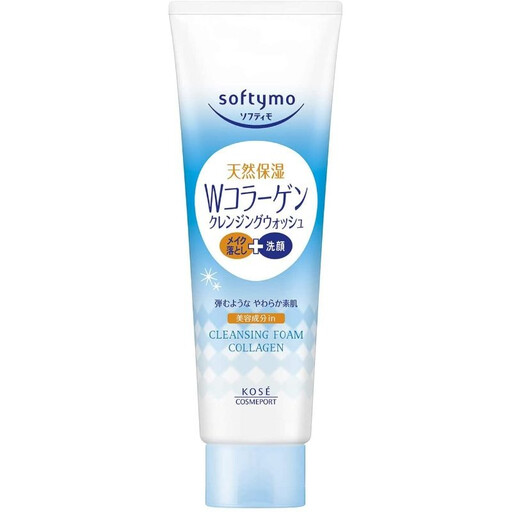
Why This Fits Their Persona: A Japanese facial cleanser in a generous 190-gram size for anyone looking for a simple morning and evening routine.
The product information provides clear usage instructions: massage an appropriate amount into the skin and rinse thoroughly. Check the packaging for the current ingredients and expiry information.
190 grams; suitable for morning and evening use according to the product description.
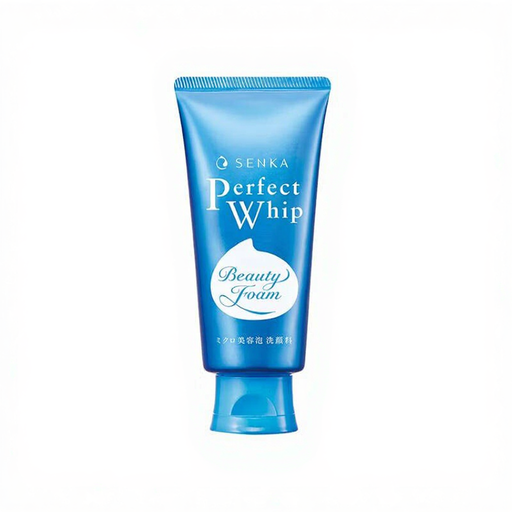
Why This Fits Their Persona: Ideal for users who want to create a rich, creamy facial foam with water and a small amount of product.
The ingredients list is available, allowing you to check for fragrance, alcohol and sodium metabisulfite if you are sensitive to these ingredients.
120 grams; contains glycerine, hyaluronic acid and silk protein according to the product information; labelled as suitable for all skin types.
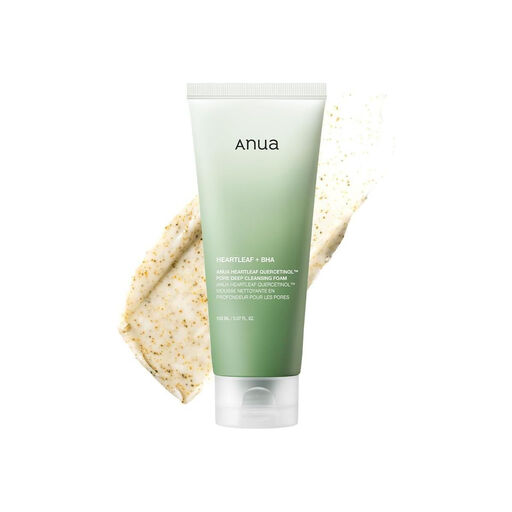
Why This Fits Their Persona: The product information focuses on deep cleansing and highlights heartleaf, salicylic acid and several forms of hyaluronic acid.
The formula contains exfoliating ingredients. Start gradually, follow the label and do not immediately combine it with several other exfoliants.
150 ml; contains salicylic acid and capryloyl salicylic acid according to the ingredients list; contains panthenol and hyaluronic acid compounds.
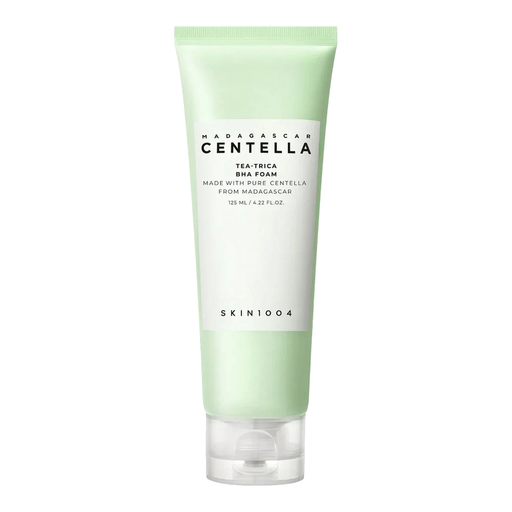
Why This Fits Their Persona: A Korean gel cleanser for anyone looking for a lightweight texture and a quick daily cleansing routine.
The product information states a pH value of 5.5 and cleansing without double cleansing. If you have sensitive skin, check the ingredients list for tea tree oil.
125 ml; gel texture; contains centella asiatica extract and tea tree oil according to the product information.
Browse a current selection of facial cleansers and compare textures, sizes, ingredients and intended uses before placing your order.
Wear sunscreen during the day when using a product containing AHA, BHA or PHA. If skin problems persist or severe irritation develops, seeking advice from a doctor or dermatologist is wiser than repeatedly switching facial cleansers.
For many adults, cleansing once in the evening works well as part of a daily routine. If you have oily skin or perspire heavily, cleansing in the morning and evening may feel comfortable, provided your skin does not become tight or irritated. Follow the usage instructions on the packaging.
No. A product for acne-prone skin may contain tea tree, centella or salicylic acid, for example, but the formulation varies by brand. An exfoliating facial cleanser contains acids or other ingredients that help loosen dead skin cells according to the product claim. Always check the ingredients and warnings.
Check the expiry date, batch information and any period-after-opening symbol on the packaging. Store the bottle or tube in a cool, dry place away from direct sunlight. Close the packaging securely after use and discontinue the product if its scent, colour or texture changes noticeably.
