
Vandaag of morgen in huis

Kwaliteit gegarandeerd

Welkomstaanbiedingen ontgrendelen: GRATIS bezorging | Tot 80% korting | Gratis 30 dagen JoyPlus-proefperiode
Download de app
Blackheads are often caused by a combination of sebum, dead skin cells and blocked pores. This can make the nose, forehead and chin look shiny or feel rough. If you’re looking for a facial cleanser for blackheads, you’ll soon come across scrubs, BHA cleansers, pore strips and Korean facial cleansers.
However, not every product is suitable for daily use. A strong cleanser can leave your skin feeling tight, while a mild foam may not be enough for oily skin. With the right product information, you can avoid making a disappointing purchase.
Pores cannot disappear permanently or be sealed shut. Product descriptions usually use terms such as “refine pores” or “pore minimising” to describe a temporarily smoother appearance or a cleaner-looking skin surface. Think of this as a user experience, not a permanent change.
A scrub for blackheads can remove dead skin cells and surface dirt, but scrubbing too often can feel uncomfortable. Check the recommended frequency carefully. For example, NIVEA DERMA Skin Clear Face Scrub states that it should be used no more than 2 to 3 times a week.
A product containing salicylic acid or other exfoliating acids also requires a gradual introduction. According to product information from various brands, AHAs and BHAs can increase sensitivity to sunlight. Appropriate sun protection is therefore important during the day.
A rich foam can leave your skin feeling clean, but an extremely tight feeling after washing is not a practical purchasing criterion. Consider the complete formula, recommended frequency of use and your skin type. An anti-acne facial cleanser or cleanser for spots should not only target sebum, but also suit your skin’s tolerance.
Salicylic acid is a BHA and is often found in salicylic acid facial cleansers. The ingredient is known in product formulas for its exfoliating properties and is used in products for oily or blemish-prone skin. As a cleanser is rinsed off, the contact time is shorter than with a leave-on product such as an exfoliating liquid.
AHAs, such as glycolic acid or lactic acid, work mainly on the skin’s surface. A combination of AHA and BHA may seem appealing, but avoid using several exfoliating products at the same time without introducing them gradually.
Niacinamide is found, among other products, in the NIVEA DERMA Skin Clear range. According to NIVEA’s product description, the ingredient supports the care of shiny skin and a more even-looking complexion. Always check the ingredients list, and also look out for fragrance, essential oils and potential irritants if your skin reacts easily.
A product for daily use is different from an intensive exfoliant. Look at:
A cleansing oil, such as ANUA Heartleaf Pore Control Cleansing Oil, is mainly intended to loosen make-up and oil-based impurities. The product information recommends using a water-based cleanser afterwards. This may suit a double-cleansing routine, but it is not essential for everyone.
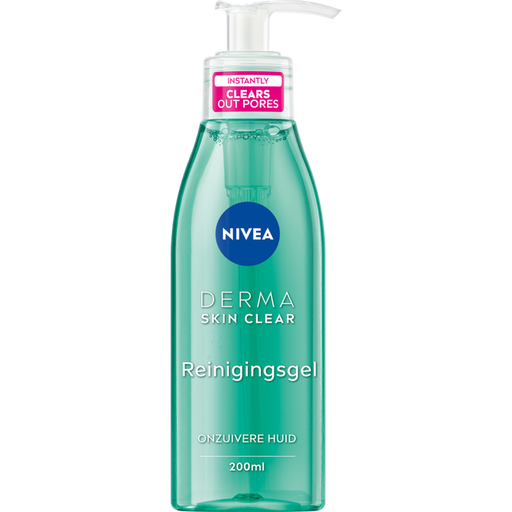
Why it suits this profile: The gel is intended for daily use, comes in a 150 ml size and, according to the product description, is aimed at blemish-prone, oily facial skin.
The instructions are simple: apply to a wet face, massage in and rinse off. This means you do not have to start with a scrub or leave-on acid straight away.
The formula contains salicylic acid and niacinamide; according to the product information, the cleanser is fragrance-free.
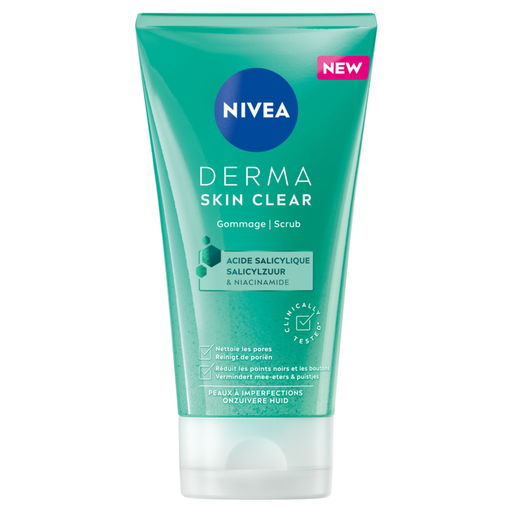
Why it suits this profile: Suitable for people who want a planned exfoliation routine for the face or body alongside cleansing.
The packaging gives a clear upper limit of 2 to 3 times a week. This helps prevent daily scrubbing.
150 ml size; the formula contains salicylic acid, lactic acid and niacinamide and is described by NIVEA as vegan.
We’ve put together a complete, up-to-date list of products that fully meet these strict selection criteria and the applicable European safety regulations.
Start with one active product. Use a daily gel or foam according to the label, and only add a scrub or BHA cleanser later. Massage gently; rubbing harder does not make a cleanser more effective. Rinse with lukewarm water and follow with a simple moisturiser.
With an AHA or BHA exfoliant, it is sensible to test it on a small area of skin first. Avoid damaged skin and stop using the product if you experience redness, itching, swelling or a burning sensation. Use sun protection during the day when the product warning recommends it.
Pore strips can temporarily remove sebum and surface impurities from the T-zone. According to the product information, NIVEA Purifying Clear-up Strips contain citric acid and are intended for the nose, forehead and chin. However, they do not replace daily cleansing and are not intended to refine pores permanently.
Look for a cleanser with salicylic acid or a separate BHA product if you mainly have an oily T-zone and blocked pores. A daily gel is an easy place to start; a leave-on BHA requires more careful introduction and attention to sun protection.
This is not always necessary. Using both forms of exfoliation together can feel too intense. If your skin is sensitive, preferably do not use them on the same day. Always follow the instructions on the packaging.
This depends on the size and how much you use each time. A 150 ml cleanser will generally last longer with daily use than a 40 or 50 ml product. Also check the shelf-life information and the period after opening stated on the packaging.
