
Vandaag of morgen in huis

Kwaliteit gegarandeerd

Welkomstaanbiedingen ontgrendelen: GRATIS bezorging | Tot 80% korting | Gratis 30 dagen JoyPlus-proefperiode
Download de app
A facial cleanser may seem like a straightforward product, but choosing the right one is less obvious than the packaging might suggest. A rich lather can feel pleasant, while leaving your skin feeling tight after rinsing. A product featuring terms such as “pore cleansing” or “anti-acne” sounds targeted, but this does not automatically indicate how suitable the formula is for your skin.
For UK consumers, three pitfalls are particularly important:
A facial cleansing gel is often practical for normal, combination or oilier skin, as its lightweight texture rinses off quickly. Foam can be pleasant if you prefer a light, airy application. For dry skin, a gentle facial cleanser containing glycerine or other humectants may feel more comfortable.
Pay attention to the difference between:
A cleanser removes dirt, sebum and traces of skincare products. It is not a substitute for treating skin concerns. If irritation, redness or spots persist, seeking advice from a doctor or dermatologist is wiser than repeatedly changing products.
If you are looking for a Korean skincare cleanser or Japanese facial cleanser, you will often see terms such as “low pH”, “barrier support” and “hydrating”. Where possible, check the ingredients list and treat the claim as an indication, not a promise.
A low pH cleanser may be worth considering if you are looking for a gentler cleanse. For example, the product information for the Low pH Good Morning Gel Cleanser states that it has a low-pH formula. The SKIN1004 Centella Tea Tree Cleanser is described in the product information as having a pH of 5.5. Details like these are more useful than a general term such as “gentle”.
Also look out for ingredients that may be relevant to you:
A 120 to 150 ml tube is convenient for daily use, while a 180 to 200 ml pack may last longer. How long it actually lasts depends on the amount used each time and whether you use the product once or twice a day.
Check the following before buying:
Use a facial cleanser with lukewarm water, massage without rubbing harshly and rinse thoroughly. If you have sensitive skin, test a new formula on a small area first. Stop using it if you experience redness, itching, stinging or any other discomfort.
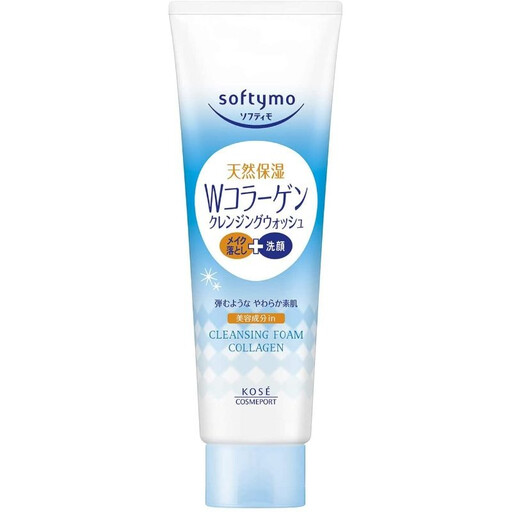
Why it suits this profile: With its generous 190 g size, this Japanese facial cleanser is a practical choice for anyone looking to start simply with a daily foaming cleanser.
The specifications include clear usage instructions and warnings, so you do not have to judge the product solely by how much foam it creates.
190 g contents; suitable for morning and evening use according to the product information.
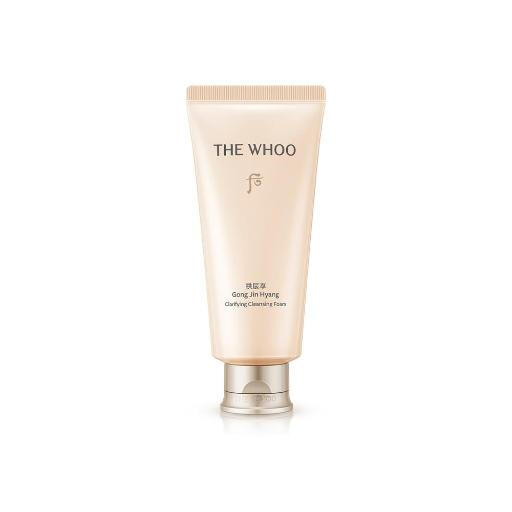
Why it suits this profile: This Korean foam cleanser combines a rich lather with an ingredients list that includes ginseng, liquorice and pearl powder extracts.
The product information recommends using it for 30 to 60 seconds and rinsing thoroughly, which helps to prevent excessive scrubbing.
180 ml contents; mild surfactants are listed in the product description.
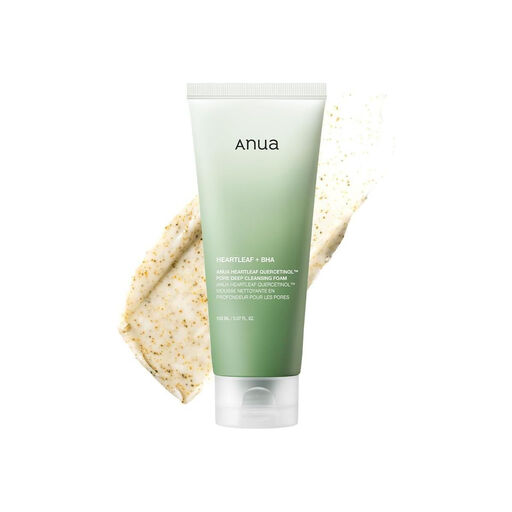
Why it suits this profile: According to the product information, the formula contains 33% heartleaf extract, glycerine and salicylic acid, and is designed for a thorough cleanse.
The ingredients list is available, allowing you to check for fragrance, acids or other personal considerations in advance.
150 ml contents; fine foaming texture; contains several forms of hyaluronic acid according to the product information.

Why it suits this profile: The lightweight gel texture and ingredients such as glycerine and plum water suit anyone looking for a hydrating facial cleanser without a heavy feel.
The product details describe a hypoallergenic, fragrance-free and essential-oil-free formula; always check the packaging and consider your own sensitivities.
100 ml gel; contains glycerine and various plant extracts; suitable for use with lukewarm water.
Follow this simple order:
For a cleanser for sensitive skin, a short ingredients list and avoiding known personal triggers are often more important than a long list of plant extracts. With a cleanser for oily and blemish-prone skin, ingredients such as salicylic acid or tea tree oil may seem appealing, but use them carefully and stop if irritation occurs. A pore-cleansing cleanser cleans the skin’s surface; it cannot permanently reduce the size of pores.
We have put together a complete, up-to-date list of products that fully meet these strict selection criteria and the applicable European safety regulations.
Many products are intended for use in the morning and evening, but that does not mean every skin type will find this comfortable. If necessary, start by using it once a day, particularly if you have dry or sensitive skin. Always follow the instructions on the packaging.
Shelf life varies from one product to another. Check the expiry date, batch information and any period-after-opening symbol on the packaging. Store the cleanser in a cool, dry place away from direct sunlight, and close the tube or pump securely.
That depends on what you have been using. If you wear make-up or use water-resistant sun protection, double cleansing may be practical. Some products are marketed as sufficient for a single cleansing step according to their product descriptions. So check the instructions and consider how clean your skin feels without feeling tight.
