
Livraison le jour même et le lendemain

Qualité garantie

Débloquez vos offres de bienvenue: Livraison GRATUITE | Jusqu'à -80 % | 30 jours d'essai gratuits à JoyPlus
Téléchargez l'application
A facial cleanser for acne-prone skin needs to remove excess sebum, sunscreen, make-up and dirt without leaving your skin feeling tight or stripped. That sounds simple enough, but many shoppers choose based on words like “deep cleansing”, “pore-refining” or “anti-blemish”. These terms don’t always tell you how a product will work in your daily routine.
The right choice depends on your skin type, the ingredients, how often you use it and the packaging. Below, we’ve rounded up the key points to consider and linked them to some popular choices in Korean and Japanese skincare.
A rich facial cleansing foam feels thorough, but lots of foam doesn’t automatically mean a formula is suitable for everyday use. If your skin feels tight or dry after washing, it could be reacting to overly harsh cleansing.
So pay attention to how your skin feels after rinsing. “Clean” doesn’t mean all your natural skin oils need to be removed.
A pore cleanser can remove dirt and excess sebum from the skin’s surface. But pores themselves don’t disappear permanently. When a product description talks about refining or reducing the appearance of pores, read it as a cosmetic claim about how they look, not a permanent change.
Combining a salicylic acid cleanser, an exfoliating toner and a scrub can be too intense for some skin types. Start with one product containing an active ingredient and build up slowly. Stop if you experience persistent redness, itching or a stinging sensation. Cosmetics are not a medical treatment; for severe or persistent acne, it’s wise to seek advice from your GP.
For a facial cleanser for oily skin, ingredients and surfactants matter more than the packaging. A gel or foam can feel nice if you get shiny quickly or have a lot of sebum around your T-zone. If you have combination skin, you can use the same cleanser, but massage dry cheeks for less time than your nose and forehead.
A gentle facial cleanser is usually a better fit for sensitive skin. Also check whether fragrance, essential oils or exfoliating ingredients are present if you react easily.
A salicylic acid cleanser contains an ingredient used in product formulas to cleanse skin with excess sebum and clogged pores. Among the reference products, you’ll find salicylic acid, betaine salicylate, citric acid and gluconolactone.
According to the product information from Some By Mi, the AHA-BHA-PHA Miracle Acne Clear Foam contains 5,000 ppm salicylic acid. The Salicylic Acid Daily Gentle Cleanser lists 0.5% salicylic acid. Use such products as directed on the label and be aware of possible sensitivity to sunlight. Avoid combining multiple exfoliating products directly.
A low pH facial cleanser has a slightly acidic formula. The Low-pH Good Morning Cleanser states a low-pH formula and contains tea tree oil and betaine salicylate. The SKIN1004 Centella Tea Tree Cleanser lists a pH of 5.5.
The pH value is useful information, but it’s no guarantee that a product will suit everyone. Also consider the size:
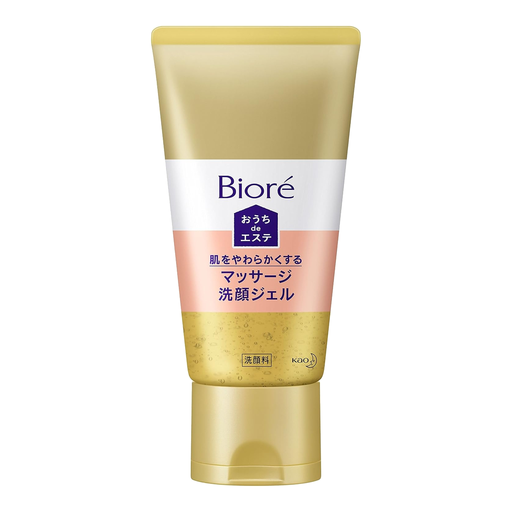
Why this fits the profile: The 150g tube offers a generous size for anyone looking for a simple foaming cleanser for oily or combination skin.
The product description specifically mentions removing dirt, oil and impurities, rather than promising a permanent change to pores.
150 g, foaming formula and, according to the product information, suitable for all skin types, with an emphasis on oily and combination skin.
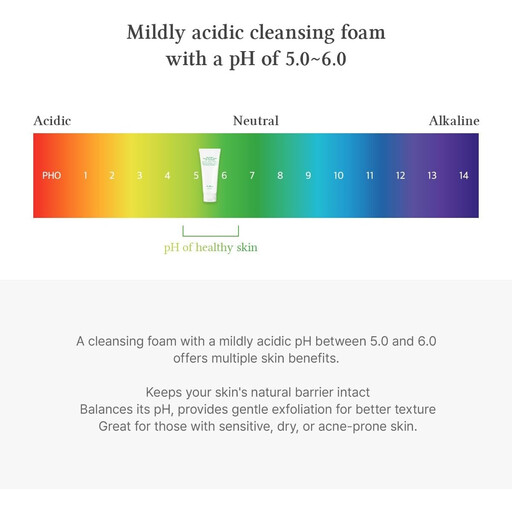
Why this fits the profile: This gel cleanser is aimed at shoppers who value a low pH and mild surfactants, without a heavy foaming feel.
The stated pH of 5.0–6.0 and amino acid- and coconut-based cleansers offer more control than just the claim “deep cleansing”.
100 ml, gel texture, pH 5.0–6.0 and ingredients such as glycerin, betaine and hyaluronic acid according to the product information.
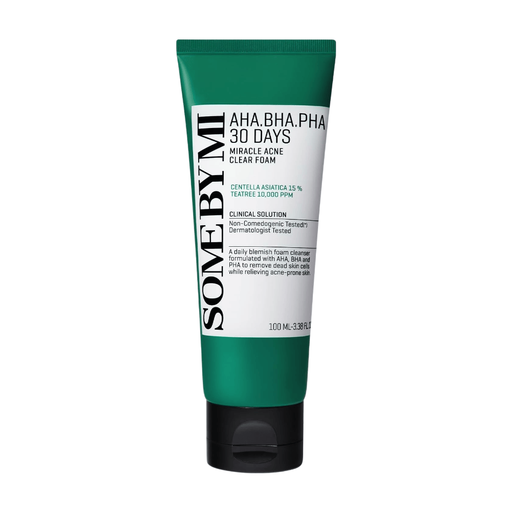
Why this fits the profile: Suitable for anyone deliberately looking for a cleanser with exfoliating ingredients for oily, combination or blemish-prone skin.
The ingredients list includes AHA, BHA, PHA and salicylic acid. This lets you assess the intensity and means you don’t have to blindly combine multiple exfoliants.
100 ml, foam texture, 5,000 ppm salicylic acid according to the product information and additional cica ingredients.
We’ve put together a full, up-to-date list of products that fully meet these strict selection criteria and comply with current European safety regulations.
You’ll usually use a cleanser once or twice a day. If your skin becomes dry or sensitive, reduce the frequency or temporarily switch to a formula without exfoliating acids.
A cleanser with salicylic acid or another BHA is often chosen for skin with blackheads and clogged pores. How well it works varies from person to person. Check the concentration, follow the label and don’t combine it with multiple acids straight away.
A low pH can fit into a gentle cleansing routine, but the full ingredients list still matters. Tea tree oil, fragrance and essential oils can cause sensitivity in some people. So always test a new product on a small area of skin first.
That depends on the size and how much you use per wash. A 150 ml pack will generally last longer with daily use than a 50 ml mini. Always check the expiry information on the packaging and close the tube or pump properly after use.
