
Livraison le jour même et le lendemain

Qualité garantie

Débloquez vos offres de bienvenue: Livraison GRATUITE | Jusqu'à -80 % | 30 jours d'essai gratuits à JoyPlus
Téléchargez l'application
A facial cleanser for acne-prone skin needs to remove dirt, sunscreen, make-up and excess sebum without leaving your skin feeling tight or stripped. That sounds simple enough, but many shoppers choose based on terms like “pore cleanser”, “deep cleansing” or “anti-acne”. On their own, these words tell you very little about the formula, how often you should use it, or whether it’s actually suitable for your skin.
If you’re looking for a Korean facial cleanser, a salicylic acid cleanser or a foaming facial cleanser, it pays to look beyond the packaging. Below, we’ve outlined the key things to consider, along with a few popular choices for different skin profiles.
A thick, foamy lather feels thorough, but it doesn’t automatically mean a product cleans your pores more effectively. An overly harsh formula can actually leave your skin feeling dry or tight. This can be particularly tricky if you have sensitive or combination skin.
Instead, pay attention to the type of surfactant, the presence of glycerine or other moisturising ingredients, and the usage instructions. A gentle facial cleanser can be suitable for daily use, whereas a more intensive formula is best used less often.
Salicylic acid, AHA, BHA and PHA are frequently mentioned in products for blackheads and clogged pores. These ingredients each have different properties, but more acids don’t automatically mean better results. When combined with scrubs, retinol or other active products, your skin can react more quickly.
A product containing salicylic acid requires extra attention to how often you use it. The NIVEA DERMA Skin Clear Face Scrub, for example, recommends a maximum of 2 to 3 times per week. Always follow the instructions on the packaging and stop if irritation persists.
Some products from the same range are intended for your back, chest or shoulders. The Some By Mi AHA-BHA-PHA 30 Days Miracle Acne Clear Body Cleanser is, according to the product information, a body cleanser and is not intended for the face unless stated otherwise. So always check the intended use area before you order.
For oily skin or a cleanser targeting blackheads, salicylic acid can be a good option. The Salicylic Acid Daily Gentle Cleanser contains 0.5% salicylic acid according to the product details. The SKIN1004 Madagascar Centella Tea-Trica BHA Foam lists 4,500 ppm salicylic acid. These are verifiable facts, but they don’t tell you exactly how your own skin will react.
AHA and PHA also appear in some formulas. Tea tree, centella asiatica, panthenol and glycerine are often added for a more soothing feel on the skin. According to brands’ own product information, these ingredients may have a calming or hydrating purpose; present such brand claims as intended benefits rather than guaranteed results.
A formula with a slightly acidic pH can fit well into a daily skincare routine. The Dr. Althea Green Relief Amino Gel Cleanser states a pH of 5.0–6.0 and uses amino acid and coconut-based cleansers, among others. On paper, this makes it an interesting option for anyone looking for a cleanser for sensitive skin.
Also check whether a product contains fragrance, essential oils or known allergens. Even natural ingredients can cause a reaction in some people. A patch test on a small area of skin is a sensible step when trying a new formula.
A 150 ml bottle is practical for daily facial cleansing, while a 50 ml version is handy for travel or for trying a product out. Also note the difference between a daily cleanser and a scrub or exfoliating product.
Use lukewarm water, massage without applying too much pressure, and rinse thoroughly. Twice a day isn’t necessary for everyone; if you have dry or sensitive skin, once may be enough, depending on your routine.
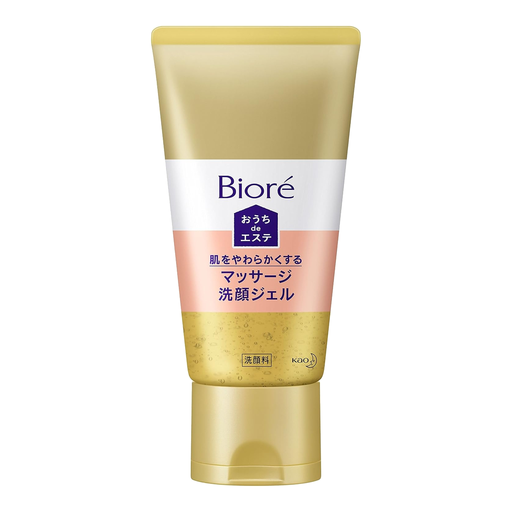
Why it fits this profile: This foaming cleanser comes in a 150 g size and, according to the product description, is suitable for all skin types, with an emphasis on oily and combination skin.
The product information mentions daily use and doesn’t specify a mandatory scrubbing frequency. Just use a small amount and avoid rubbing too hard.
150 g content, rich foaming texture and, according to the product description, designed to remove dirt, oil and impurities.
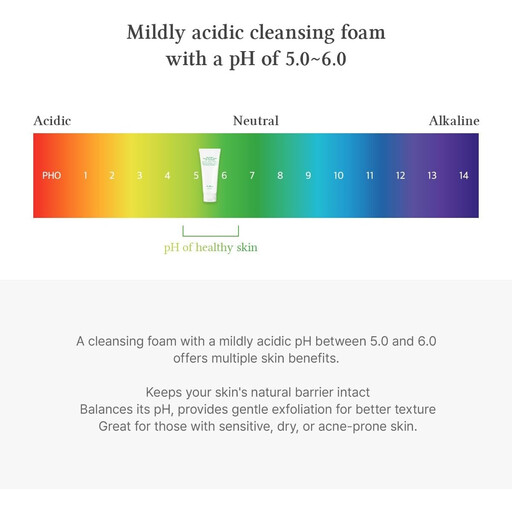
Why it fits this profile: This gel cleanser combines a stated pH of 5.0–6.0 with glycerine, betaine and hyaluronic acid. That suits users who pay close attention to formula composition and skin comfort.
The product description specifies the pH and cleansing base, so you don’t have to rely solely on terms like “deep cleansing”.
100 ml content, gel texture and amino acid and coconut-based surfactants according to the ingredients list.
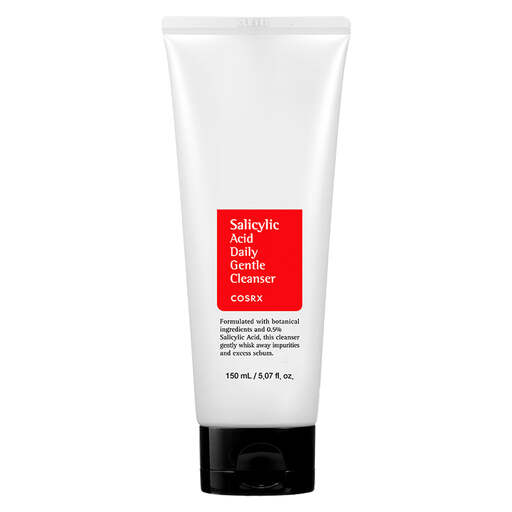
Why it fits this profile: According to the product details, this facial cleanser contains 0.5% salicylic acid and is aimed at combination, oily or acne-prone skin.
The concentration of salicylic acid is stated. This makes it easier to distinguish from a general foaming cleanser.
150 ml content, salicylic acid, tea tree oil and willow bark water according to the ingredients list.
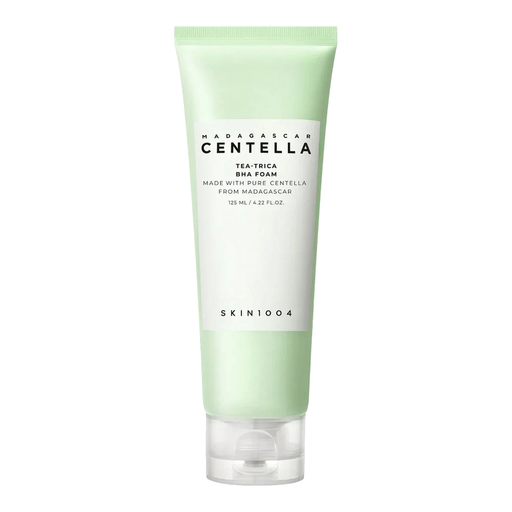
Why it fits this profile: This gel cleanser states a pH of 5.5 and contains centella asiatica and tea tree oil. That suits anyone looking for a daily, non-scrubbing cleanser.
The product is described as a cleansing gel and contains no stated scrub particles. Do check the full ingredients list if you’re sensitive to tea tree.
125 ml content, gel texture, pH 5.5 and centella asiatica and tea tree oil according to the product details.
We’ve put together a full, up-to-date list of products that fully meet these strict selection criteria and comply with current European safety regulations.
Look for a lightweight gel or foaming cleanser that removes sebum and dirt without leaving a tight feeling. A formula with salicylic acid can work well for blackheads, but check the concentration and usage instructions. Don’t combine multiple exfoliating products straight away.
That depends on the formula and how your skin reacts. Some products are intended for daily use according to the product information, while a scrub may have a maximum frequency. Start gently, avoid the eye area and stop if irritation occurs.
That depends on the size and how much you use each time. A 150 ml bottle will generally last longer with daily use than a 50 ml mini. Also check the expiry information on the packaging and note the period after opening.
