
Livraison le jour même et le lendemain

Qualité garantie

Débloquez vos offres de bienvenue: Livraison GRATUITE | Jusqu'à -80 % | 30 jours d'essai gratuits à JoyPlus
Téléchargez l'application
Sensitive or dry skin does not always respond well to standard cleansing wipes. The same applies to babies’ and young children’s skin. A wipe may feel soft, yet still contain perfume, alcohol or other ingredients you would rather avoid. The material, moisture level and packaging also determine whether a product is practical for everyday use.
If you are buying face towels for sensitive skin, it is therefore worth looking beyond terms such as “extra soft” or “natural”. Below, you will find the key points to consider, along with some popular choices for different situations.
The term hypoallergenic does not tell you everything on its own. Always check which materials and ingredients are listed. Perfume-free wipes and wipes without alcohol are a sensible choice for many users, but check the packaging and ingredients list yourself.
A certification can provide additional information. According to the product descriptions of some items in this overview, they carry OEKO-TEX STANDARD 100 certification. This says something about the tested textile components, but it is not a general guarantee that every skin type will react in the same way.
Biodegradable wipes or plastic-free fibres may sound more environmentally friendly, but used wipes should never be flushed down the toilet. They can put a strain on pipes and the sewage system. Dispose of disposable wipes with your general waste unless your local waste guidance says otherwise.
Also pay attention to the difference between reusable cotton wipes and disposable wipes. Cotton can be washed, whereas a disposable wipe is intended for single use.
A dry wipe can cause more friction when removing make-up, dirt or food residue. On the other hand, a wipe that is too wet can be awkward to use and may tear more easily. Look at the combination of absorbency, thickness, dimensions and moisture level.
With dry and wet face towels, it is also important that the material remains strong when wet. According to the product descriptions of various brands, this is a design objective; the actual experience may vary from user to user.
Cotton face towels generally feel soft and, depending on the product, can be used dry or damp. Purcotton, for example, states that its product is made from 100% cotton and biodegradable fibre. Other products mention plant-based cellulose, viscose lyocell or non-woven material.
“Plant-based” does not automatically mean that a wipe is reusable. Always check whether the manufacturer permits washing. Reusing disposable face towels is generally not intended.
For people who are sensitive to fragrances, perfume-free wipes are a practical option. Also look out for alcohol, preservatives and caring ingredients. A short ingredients list is not necessarily better, but it does make comparisons easier.
According to the product description, WaterWipes contain more than 99% water, aloe vera and additional ingredients. BC Babycare lists, among other things, purified water, glycerine, citric acid and preservatives. These are the manufacturer’s product specifications, not a medical assessment.
A sheet measuring approximately 20 × 20 cm provides more surface area for facial cleansing or baby care than a small wipe. A pull-out pack with a lid helps retain moisture. With large multipacks, the price per wipe is often easy to calculate:
A budget-friendly pack is less appealing if the wipes dry out quickly or you need several for a single clean-up.
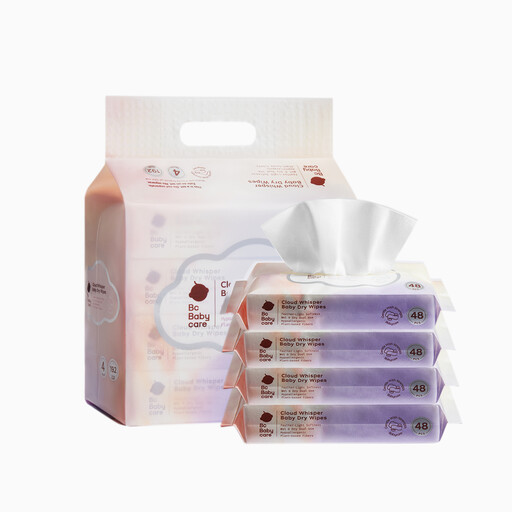
Why it suits this profile: Suitable for anyone who wants to use one product dry or damp on the face and hands, for baby care or for removing make-up.
According to the product description, the wipes are free from alcohol, parabens and perfume and are intended for single use. This reduces confusion about washing or reusing them.
192 wipes, measuring 200 × 200 mm, and suitable for dry and damp use according to the manufacturer.
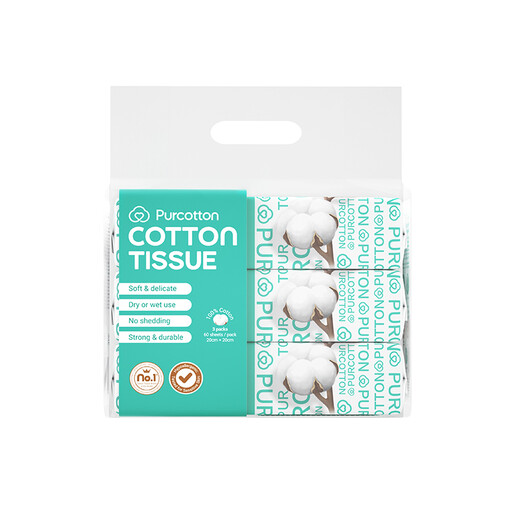
Why it suits this profile: A natural choice for adults and families who want to use a perfume-free cotton wipe on the face, for baby care and for removing make-up.
The manufacturer states that it is made from 100% cotton, with no perfume, alcohol or fluorescent whitening agents, and can be used for both dry and wet applications. Do not flush the wipe down the toilet.
180 sheets across three packs, measuring 20 × 20 cm, and certified to OEKO-TEX STANDARD 100 according to the product information.
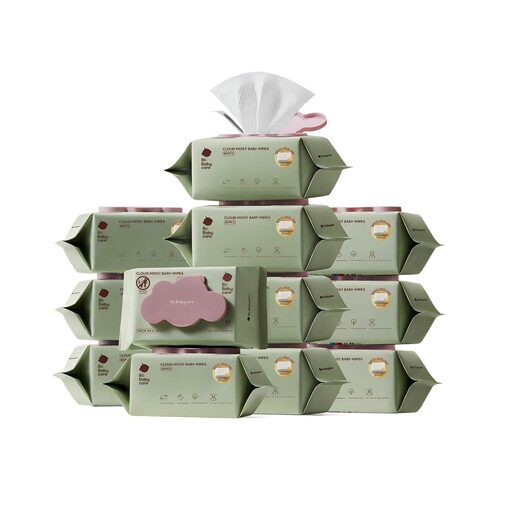
Why it suits this profile: Handy for families who use wet wipes regularly and want to keep a supply at home, while travelling or in the changing bag.
According to the manufacturer, the wipes are fragrance-free, made from plastic-free plant-based fibres and intended for single use. The pack should be closed securely to help prevent the wipes from drying out.
240 wipes in three packs, 99% purified water according to the product description, and a structure that is three times thicker than standard wipes according to the manufacturer.
We have put together a complete, up-to-date list of products that fully meet these strict selection criteria and the applicable European safety requirements.
That depends on the material, ingredients and your individual reaction. Ideally, choose a product that clearly states whether it contains perfume, alcohol and what type of fibre it uses. “Suitable for sensitive skin” is a product claim; according to the ACM, it is sensible to compare this claim with verifiable information on the packaging.
Dry wipes can be used straight away or dampened with water yourself. Wet face towels are already impregnated, making them practical when you are out and about. Dry wipes often have a longer shelf life after opening, while wet wipes need to be kept well sealed to prevent them from drying out.
Reusable cotton wipes can be cost-effective if you wash and reuse them frequently. However, remember to factor in detergent, water and energy costs. Disposable wipes often cost more per use, but are convenient for travelling, removing make-up and situations where you do not want to build up a pile of washing. The right choice depends on how often you use them, the pack size and the price per sheet.
