
Vandaag of morgen in huis

Kwaliteit gegarandeerd

Welkomstaanbiedingen ontgrendelen: GRATIS bezorging | Tot 80% korting | Gratis 30 dagen JoyPlus-proefperiode
Download de app
A face serum can be a targeted addition to your daily skincare routine. Its lightweight texture often contains a higher concentration of certain ingredients than a standard cream. However, a long ingredients list does not automatically mean that a serum is right for your skin.
Many consumers come up against the same issues: a product feels pleasant but does little for their specific skin concern; an active ingredient causes irritation; or several serums are combined without considering how they work together. Using the right selection criteria can help you avoid unnecessary purchases.
A higher concentration of niacinamide, vitamin C, azelaic acid or retinol may sound appealing, but it can be too intense for some skin types. Sensitive skin, particularly skin with a weakened barrier, may react to a strong formula.
So don’t just look at the percentage. Also consider:
A niacinamide serum, vitamin C serum and retinol serum may each serve a different purpose. However, using them together increases the risk of tightness, redness or flaking. It is better to start with one new serum and give your skin time to get used to it.
Extra care is needed with retinal and retinol. These vitamin A ingredients can increase sensitivity to sunlight. Use them according to the product instructions, usually in the evening, and apply a sun protection product during the day.
Terms such as “glow”, “refines pores” and “stimulates collagen” often describe how a brand positions its product. Claims based on a brand’s own research or included in the product description are not automatically a guarantee for every user. A more objective comparison starts with the INCI list, product size, texture and directions for use.
For example, a collagen serum may contain hydrolysed collagen as a skincare ingredient. That alone does not mean it has been shown to alter the body’s own collagen production.
The concentration should always be considered alongside the safety information. For example, the ANUA Azelaic Acid 10 formula states that users should start with 1 to 2 drops once or twice a week, gradually increasing the frequency. With a serum for sensitive skin, this gradual approach is more important than adopting a fast, intensive routine.
According to the product information, Vitamin C23 contains 23% ascorbic acid, should be stored in the fridge and is best used within two months of opening. This is a practical consideration: an active formula may require extra care when it comes to storage and shelf life.
Don’t just compare the price of a bottle; consider its size too. A 15 ml mini serum can be useful for trying out a formula or taking it on holiday. A 55 or 100 ml bottle makes more sense if you follow a simple daily routine.
Also check:
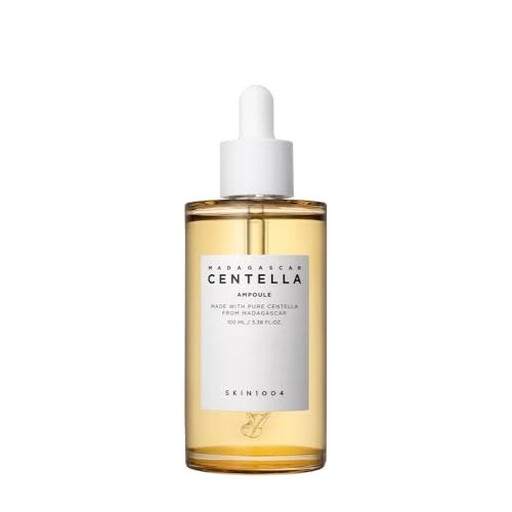
Why it suits this profile: The formula is easy to incorporate into a basic routine and, according to the product description, contains Centella Asiatica extract. This makes the ampoule an appealing choice for anyone primarily looking for hydration and a comfortable feel on the skin.
The product information focuses on a straightforward formula and use after cleansing, without a long list of strong exfoliating actives.
55 ml size; Centella Asiatica extract according to the product description; suitable as a hydrating step beneath a moisturiser.
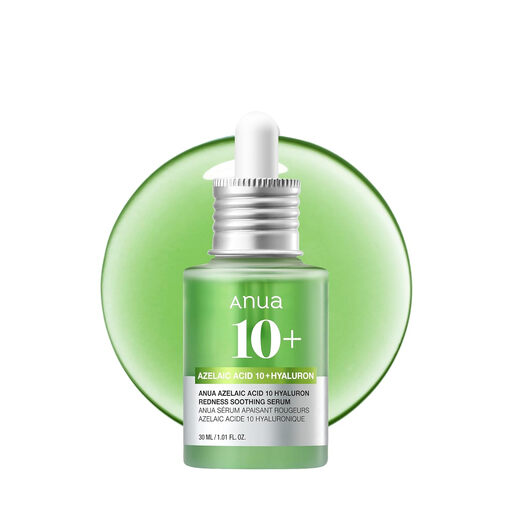
Why it suits this profile: This option is aimed at users considering a serum for redness or a serum for acne-prone skin, and who are prepared to build up their frequency of use gradually.
The product information explicitly mentions patch testing, gradual introduction and the risk of dryness or pilling with 10% azelaic acid.
10% azelaic acid; panthenol, glycerine and ceramide NP in the ingredients list; directions for morning and evening use.
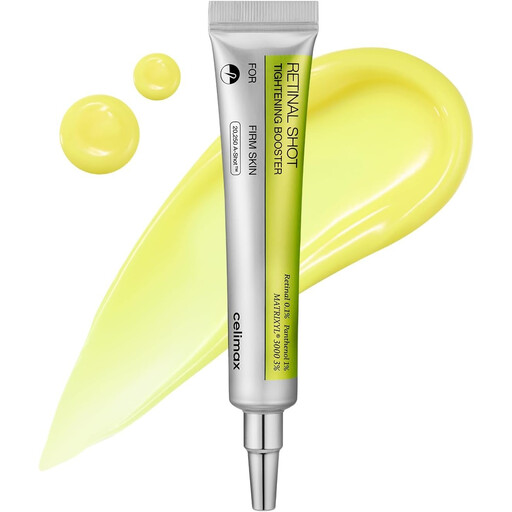
Why it suits this profile: Anyone specifically looking for a retinal serum for fine lines, pores or texture gets a compact formula with 0.1% pure retinal and clear advice to use it in the evening.
The instructions recommend using it every other evening for the first two weeks and reducing the amount or frequency if irritation occurs.
0.1% pure retinal; 15 ml size; the product information also mentions 3% Matrixyl 3000.
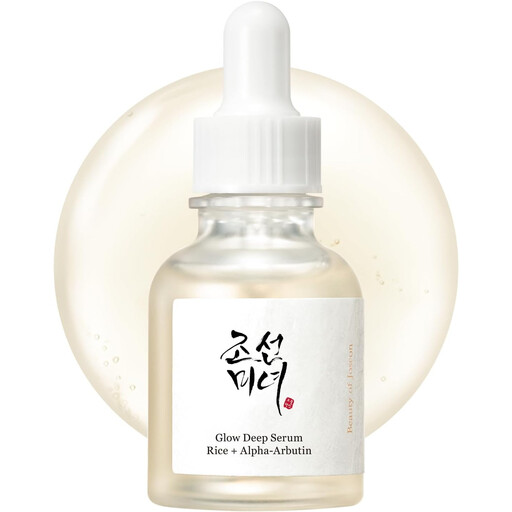
Why it suits this profile: According to the product information, this K-beauty serum combines rice bran water with 2% alpha-arbutin and niacinamide for a routine focused on a dull or uneven complexion.
The product description states a specific percentage of alpha-arbutin and recommends evening use, making the formula easier to assess.
2% alpha-arbutin; 68.6% rice bran water according to the ingredients list; 30 ml size.
Apply a face serum after cleansing and, if desired, toner, but before moisturiser. Use a small amount and allow the product to absorb. If you have sensitive skin, introduce one new product at a time. A patch test on a small area of skin can help you spot a possible reaction sooner.
Do not combine retinal, retinol, strong vitamin C and exfoliating acids in the same routine without careful consideration. If irritation, swelling or itching persists, stop using the product and seek medical advice. Always follow the official packaging, as ingredients and instructions may change.
We’ve put together a complete, up-to-date list of products that fully meet these strict selection criteria and the applicable European safety regulations.
It depends on the ingredient. A hydrating serum can often be used daily, while a retinol serum or retinal serum should usually be introduced gradually. Always check the directions for the specific product.
Not necessarily. A moisturiser may be enough for a simple routine. A serum is particularly useful when you want to target hydration, redness, pigmentation, texture or dull skin.
Shelf life varies from one formula to another. Check the date on the packaging and the symbol showing the period after opening. Vitamin C serums can be particularly sensitive to light, heat and air, so store them according to the brand’s instructions.
