
Vandaag of morgen in huis

Kwaliteit gegarandeerd

Welkomstaanbiedingen ontgrendelen: GRATIS bezorging | Tot 80% korting | Gratis 30 dagen JoyPlus-proefperiode
Download de app
A face cream with SPF combines two daily steps: moisturising and protecting against UV radiation. That sounds simple, but the differences between a day cream with SPF, facial sun cream and tinted day cream are significant. Choosing the wrong product can leave your skin feeling greasy, cause a visible white cast or irritation, or provide insufficient protection because you apply too little product.
Brand product descriptions also often contain strong claims about wrinkles, pigmentation or an even complexion. Treat such statements as brand claims, not guaranteed results. Focus above all on verifiable information: the SPF rating, skin type, texture, ingredients, size and directions for use.
An SPF rating mainly relates to protection against UVB radiation, which is partly responsible for sunburn. UVA protection is also relevant for daily skincare. UVA rays penetrate more deeply and contribute to premature skin ageing and pigmentation.
Therefore, check whether the packaging or product information mentions protection against both UVA and UVB. No sun cream provides 100% protection against UV radiation. Also avoid prolonged exposure to strong sunlight, even when using SPF 30 or SPF 50 facial sun cream.
A thin layer of day cream with SPF does not automatically provide the protection stated on the packaging. Applying a product sparingly to avoid a sticky feel or white cast reduces the level of protection in practice.
Apply the cream evenly to your face and neck, following the instructions on the packaging. Reapplication is important after sweating, swimming or towelling yourself dry. For intensive outdoor activities, a separate facial sun cream may be more practical than a rich anti-ageing day cream.
An anti-ageing day cream may contain moisturising ingredients or UV filters, but that does not mean it will eliminate wrinkles. A cream for pigmentation will not work in the same way for everyone either. According to a brand’s own research, certain results may have been measured after a specific period of use among a limited group of participants. Always review the full claim, testing method and directions for use.
The SPF rating does not directly indicate how much UVA protection a product provides. Therefore, also look for a separate UVA designation or information in the product details.
A moisturising face cream containing glycerine, hyaluronic acid, panthenol or oils may be suitable for dry skin. A lightweight fluid or oil-free formula often feels more comfortable on oily or combination skin. If you have sensitive skin, check whether the product contains fragrance. “Dermatologically tested” is a product characteristic, but it does not guarantee that everyone will tolerate the formula without any problems.
Also consider the difference between a cream and a fluid:
Check the ingredients list if you are sensitive to fragrance, alcohol, certain UV filters or plant extracts. Avoid contact with the eyes and stop using the product if persistent redness, itching or swelling occurs. If you are unsure about a skin reaction, advice from a doctor or dermatologist is a better option than switching between an increasing number of products.
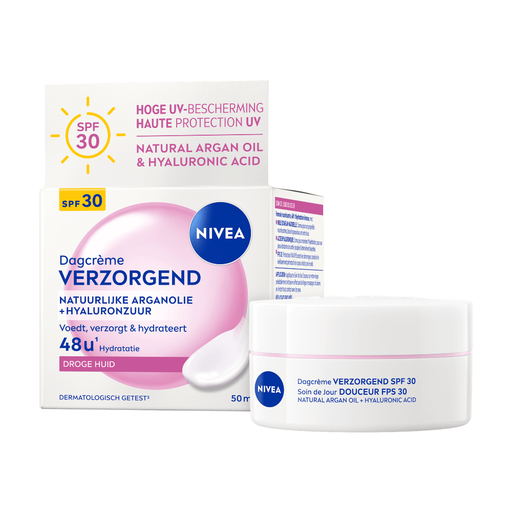
Why it suits this profile: A familiar day cream for dry skin with SPF 30, argan oil and hyaluronic acid. Your morning routine stays simple with one skincare product.
The SPF 30 is clearly stated in the product name and description. Do pay attention to the recommended amount and reapply during prolonged exposure.
50 ml; developed for dry skin; contains argan oil and sodium hyaluronate; dermatologically tested according to the product information.
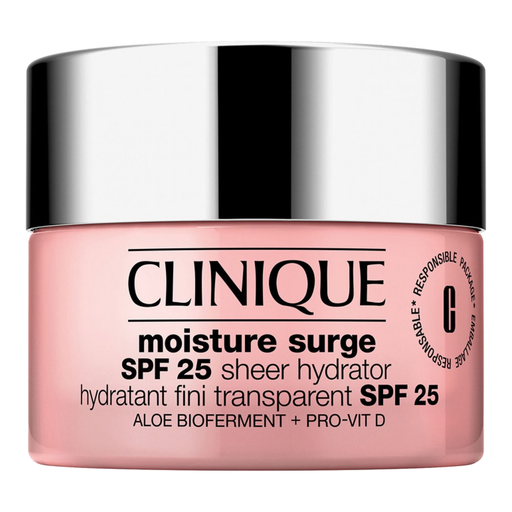
Why it suits this profile: Ideal if you are looking for a lightweight, fragrance-free face cream that can be worn under make-up and does not add visible colour.
The product information states that it has a transparent finish and a 100% fragrance-free formula. SPF 25 is lower than SPF 30 or SPF 50, so choose according to your level of exposure.
50 ml; fragrance-free according to the product details; oil-free formula; designed to provide moisturisation and UVA-UVB protection.
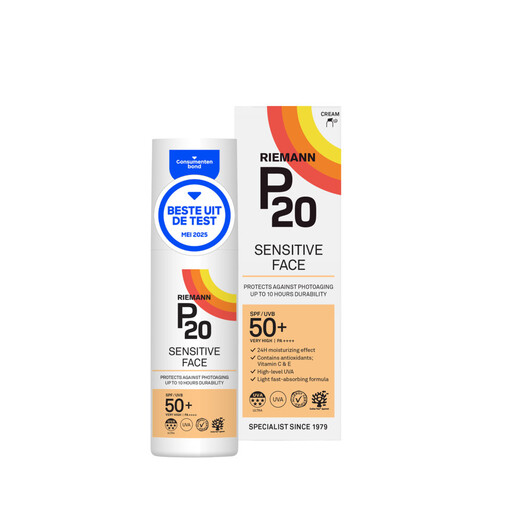
Why it suits this profile: An SPF 50+ formula for frequent outdoor use, with extra attention to sensitive skin and careful application.
The directions emphasise applying generously and evenly, 15 minutes before exposure, and reapplying after towelling yourself dry or sweating heavily.
SPF 50+; 50 g; contains glycerine, panthenol, squalane and vitamin E according to the ingredients list; product information states that it should be reapplied.
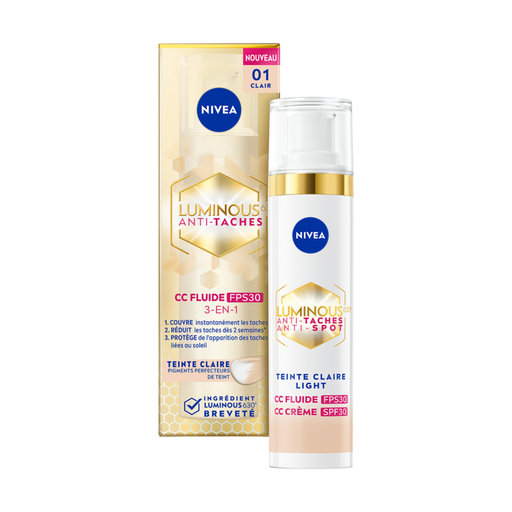
Why it suits this profile: A tinted day cream for anyone wanting to combine light coverage, SPF 30 and skincare for an uneven complexion in one morning product.
The tint makes the coverage visible, while SPF 30 is clearly specified. According to the product description, the colour adapts to your skin tone; always check the shade against your own skin.
40 ml; light tint; SPF 30; sodium hyaluronate in the ingredients list; non-comedogenic according to the product details.
We have compiled a complete, up-to-date list of products that fully meet these strict selection criteria and the applicable European safety regulations.
Not always. A day cream with SPF can be practical for brief daily exposure. For walking, cycling, exercise or a full day outdoors, a separate facial sun cream with a higher SPF is often more suitable. Apply enough product and reapply after sweating, swimming or towelling yourself dry.
Check the expiry date, the period-after-opening symbol and the packaging. Store the product according to the instructions, usually in a cool place away from direct sunlight. A change in smell, colour or texture may be a reason to stop using the product.
That depends on the texture. A lightweight fluid, oil-free cream or tinted day cream often feels more comfortable under make-up than a rich formula for dry skin. Allow the cream to absorb first, then apply your make-up carefully without unnecessarily rubbing away the protective layer.
