
Vandaag of morgen in huis

Kwaliteit gegarandeerd

Welkomstaanbiedingen ontgrendelen: GRATIS bezorging | Tot 80% korting | Gratis 30 dagen JoyPlus-proefperiode
Download de app
Choosing a new face cream may seem straightforward. Yet it is easy to end up paying for attractive packaging, a long ingredients list or a promise that does not fit your daily routine. A good choice therefore starts not with the brand name, but with your skin type, when you plan to use it and the product information on the label.
Words such as “intensive”, “lifting” or “24-hour hydration” do not automatically tell you how a product will feel on your skin. According to a brand’s own research, claims like these may describe a particular effect, but your experience may differ. So also look at the texture, ingredients, size and directions for use.
A day cream with SPF can be practical for everyday use. However, the level of protection depends on applying enough product and reapplying it. Eucerin, for example, states that the Hyaluron-Filler + Elasticity Rosé Day Cream SPF30 should be applied generously before sun exposure and reapplied after swimming, drying off or sweating. You should also avoid prolonged, intense exposure to the sun.
A face cream for sensitive skin will not necessarily feel comfortable for everyone. Check the full ingredients list for fragrance, alcohol, colourants and any other substances you have reacted sensitively to in the past. A product for oily or combination skin can also feel too heavy if it contains a lot of oils or occlusive ingredients.
A hydrating face cream often contains humectants such as glycerine, betaine, panthenol or hyaluronic acid. These help attract moisture and leave the skin feeling more comfortable. A lotion or emulsion usually has a lighter texture than a rich cream. This makes a face lotion an appealing choice for mornings, under make-up or for combination skin.
If your skin quickly feels tight, look for combinations of humectant and emollient ingredients. According to the product information, Clinique Dramatically Different Moisturizing Lotion+ contains glycerine, dimethicone, petrolatum and sodium hyaluronate, among other ingredients. The manufacturer states that the formula is suitable for very dry to dry/combination skin and is fragrance-free.
Ingredients are listed in descending order by quantity. An ingredient near the top is therefore generally present in a greater amount than one near the bottom. This does not tell you everything about the final effect, but it can help you compare formulas.
For a face cream for all skin types, you can look for a simple formula and a lightweight texture. For sensitive skin, fragrance-free options are often worth considering. According to the product description, Pyunkang Yul’s Moisturizing Lotion is fragrance-free and contains Coptis Japonica root extract, shea butter and jojoba oil, among other ingredients. Always check the current label, as formulations may change.
A day cream with SPF combines skincare with a certain level of UV protection. An SPF product is particularly practical if you want to keep your morning routine short. An anti-ageing face cream may contain ingredients that, according to the manufacturer, are intended to target the appearance of fine lines, elasticity or a dull complexion. Do not present these effects as medical results: this is cosmetic skincare focused on the appearance of the skin.
Also consider the size. A 50 ml jar or bottle is convenient for everyday use, while a 125 to 200 ml lotion may offer better value when applied generously and frequently.
The selection below is based on verifiable product details such as size, texture, SPF, fragrance information and stated application. Read the current packaging and safety information before buying.
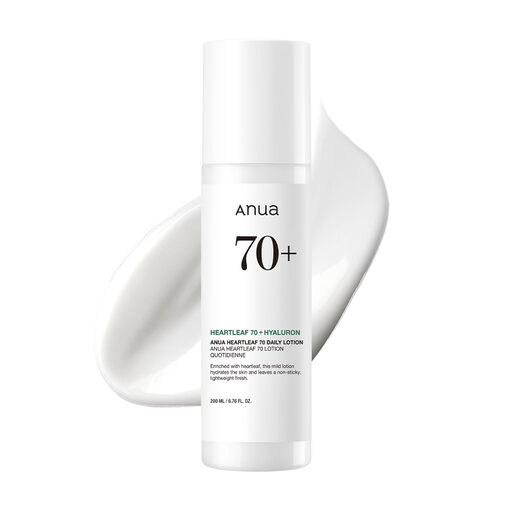
Why it suits this profile: The 200 ml size is practical for daily use in the morning and evening. According to the directions, the lotion can also be used as a hydrating base before applying make-up.
The product information states that it contains no artificial colourants or fragrance. The ingredients and safety warnings are also clearly listed, so you do not have to rely on the packaging alone.
200 ml size; glycerine, sodium hyaluronate and several forms of hyaluronic acid are included in the ingredients list.
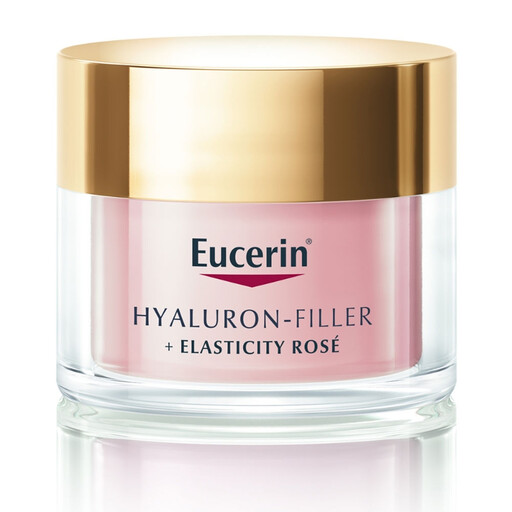
Why it suits this profile: This day cream combines a rosy tint with SPF30 and, according to the product details, is intended for all skin types and sensitive skin.
The SPF rating is clearly stated, while the directions also emphasise applying generously and reapplying. This helps prevent SPF30 from being mistaken for complete protection.
SPF30; rosy tint; 50 ml pack; day cream positioned as an anti-ageing product.
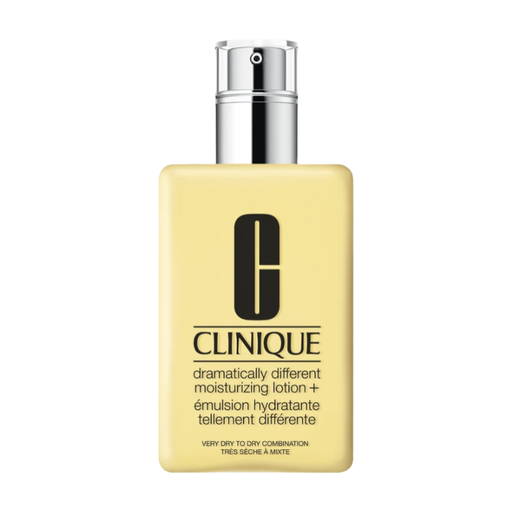
Why it suits this profile: The 125 ml bottle is suitable for users who want to care for their face daily, twice a day or whenever needed.
The product details explicitly state that this lotion is fragrance-free and intended for very dry to dry/combination skin types. This makes the selection more specific than a general claim for everyone.
125 ml size; fragrance-free formula according to the product information; intended for dry and dry/combination skin.
Apply a small amount to cleansed skin and, if desired, the neck. Massage gently until the product has been absorbed. During the day, use a product with SPF or apply separate sun protection when spending a long time outdoors. Do not immediately combine several active products if you are not yet sure how your skin will react.
For sensitive skin, it is advisable to test the product on a small area first. Stop using it if redness, swelling, itching or irritation occurs, and consult a dermatologist if symptoms persist. Avoid contact with the eyes and follow the instructions on the packaging.
We have put together a complete, up-to-date list of products that fully meet these strict selection criteria and the applicable European safety regulations.
This depends on the directions for use and how your skin feels. Many lotions and moisturisers are intended for morning and evening use. Dry skin may need an extra application, while oily or combination skin often needs only a smaller amount.
Check the expiry date, batch information and period after opening on the packaging. Store the product in a cool, dry place, away from direct sunlight and out of reach of children. If the smell, colour or texture changes noticeably, stop using it.
A day cream is usually slightly richer and may offer additional features, such as SPF or a tint. A face lotion is generally more fluid or lightweight. Names vary from one brand to another, so focus mainly on the texture, ingredients and recommended use.
