
Vandaag of morgen in huis

Kwaliteit gegarandeerd

Welkomstaanbiedingen ontgrendelen: GRATIS bezorging | Tot 80% korting | Gratis 30 dagen JoyPlus-proefperiode
Download de app
Buying a new face cream seems simple, until you have to choose between a hydrating face cream, an anti-ageing face cream, a Korean skincare cream, a day cream or a night cream. Marketing copy often promises firmer skin, less visible wrinkles or a long-lasting glow. Those promises don’t always tell you enough about the formula, how to use it or whether it’s right for your skin.
Use this practical guide to focus on verifiable product information, such as ingredients, size, texture and when to use it. That way, you’re less likely to end up with a cream sitting unused in your bathroom.
Hyaluronic acid, niacinamide, peptides and PDRN often feature prominently in product titles. But the presence of an ingredient doesn’t mean every skin type will respond to it in the same way. Check the full ingredients list and consider the texture too.
A hyaluronic acid cream may feel soothing if your skin feels tight, while a formula with shea butter and oils may be a better fit for dry skin. A rich cream can feel too heavy on combination or oily skin.
Terms such as “lifting”, “anti-wrinkle” and “rejuvenating” are part of a brand’s product messaging. Don’t take them as a guaranteed result. According to Olive Young’s product description, BIOHEAL 3D Lifting Cream contains 17 peptides and an Elasticity Biome complex, among other ingredients. These are product specifications, not a guarantee of a particular result for your skin.
When choosing an anti-wrinkle cream, it’s also worth considering what the formula is designed to do: hydrate, give skin a plumper appearance, nourish it or leave it feeling comfortable.
A 50 ml jar and a 100 ml tube or pump bottle differ in how long they last and how hygienic they are to use. With a jar, you also need to scoop out the product with your fingers each time. Check whether the cream is intended for day or night use, and whether it contains fragrance.
Ingredients are generally listed in descending order by amount. Don’t focus on just one active ingredient; consider how they work together. According to the product information, Torriden DIVE-IN contains several forms of hyaluronic acid, glycerine, ceramide NP and soothing oils. This gives you a clearer idea of its skincare benefits than the name “moisturizing cream” alone.
A niacinamide cream may suit you if you want to combine hydration with a more even-looking complexion in one routine. If you use several active products, introduce them one at a time.
Check:
If you experience irritation, redness, itching or a burning sensation, stop using the product. A patch test on a small area of skin can help you introduce a new formula more cautiously, especially if you have sensitive skin.
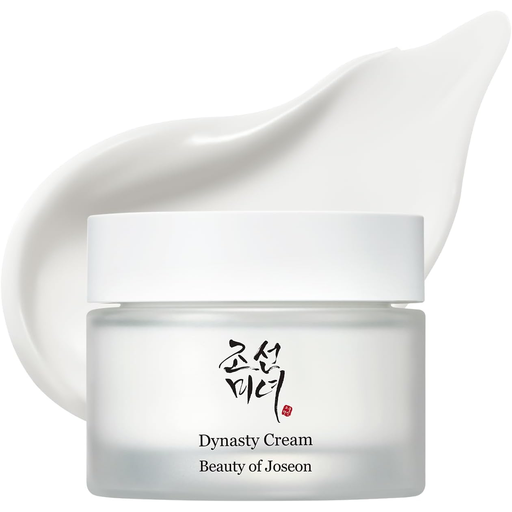
Why it suits this profile: An accessible Korean skincare cream for anyone who wants to start with one everyday face cream. According to the product information, the formula contains glycerine, niacinamide, panthenol and sodium hyaluronate, among other ingredients.
The product page lists the 100 ml size and says it can be used in the morning and evening. This makes it easier to compare size and convenience before buying.
100 ml; contains niacinamide, panthenol and hyaluronic acid, according to the ingredients list.
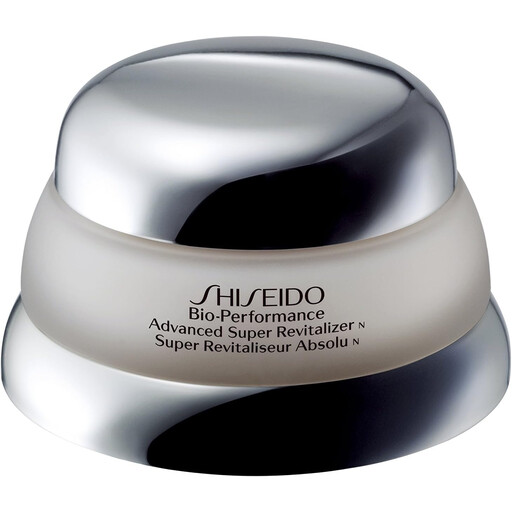
Why it suits this profile: For anyone looking for a face cream from a well-known brand with a luxury feel, and who’s happy to compare the ingredients, texture and price carefully.
The 50 ml size is clearly listed. Compare the full product information rather than judging by the luxurious look or brand name alone.
50 ml; clear product information makes it easier to compare with other luxury face creams.
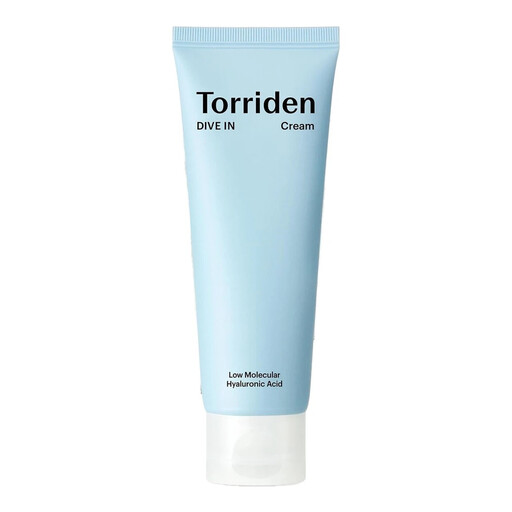
Why it suits this profile: For anyone mainly looking for hydration and combining several steps in their skincare routine. The product description says the texture is light and suitable for everyday use.
The ingredients list includes several forms of hyaluronic acid and ceramide NP. This lets you assess the formula itself rather than relying on the term “deep hydration”.
80 ml; contains different forms of hyaluronic acid, glycerine and ceramide NP.
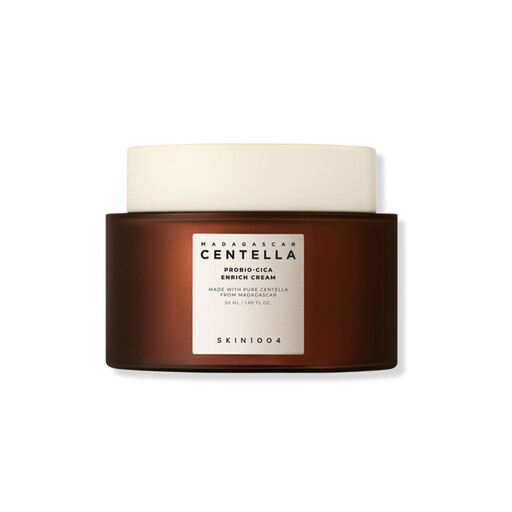
Why it suits this profile: According to the product information, this cream is designed to care for dry and sensitive skin. The formula contains centella asiatica, niacinamide, shea butter and ceramide NP, among other ingredients.
The product page says the cream has been dermatologically tested and is suitable for all skin types, including sensitive skin. Even so, check the ingredients and test it carefully if your skin is reactive.
50 ml; contains ceramide NP and shea butter; described as vegan and cruelty-free in the product information.
We’ve put together a full, up-to-date list of products that meet these strict selection criteria and current European safety regulations.
A day cream is handy when its texture works well under sunscreen and make-up. Sunscreen remains important during the day; an ordinary face cream doesn’t automatically provide the same protection.
A night cream can have a richer texture, as you don’t need to think about make-up or a shiny finish. If you want to keep things simple, you can choose a cream for all skin types that can be used both morning and evening.
A small amount after cleansing is usually enough, in the morning and evening if the product information recommends it. Apply the cream to slightly damp skin if that feels comfortable, and avoid direct contact with your eyes.
Check the expiry date and the jar symbol showing the period after opening. This can vary from product to product. Close the packaging securely and store the cream somewhere cool and dry, away from direct sunlight. If its smell, colour or texture changes noticeably, stop using it.
The price depends on factors such as the brand, size, packaging and ingredients. Compare the price per millilitre, not just the price of the pack. A larger pack isn’t automatically better value if you don’t like the texture or the cream isn’t right for your skin type.
