
Vandaag of morgen in huis

Kwaliteit gegarandeerd

Welkomstaanbiedingen ontgrendelen: GRATIS bezorging | Tot 80% korting | Gratis 30 dagen JoyPlus-proefperiode
Download de app
A face cleanser should remove dirt, excess sebum, sun cream and make-up residue without leaving your skin feeling tight. However, a foaming face wash is not automatically suitable for daily use. Particularly if you have dry, sensitive or dehydrated skin, the wrong formula and cleansing too often can cause discomfort.
A rich lather feels refreshing, but the amount of foam says little about the formula or whether it is suitable for your skin. A foaming face cleanser can be gentle, but it may also contain a formula that leaves your skin feeling dry after rinsing. So look at the type of cleansing agents, the directions for use and whether fragrance is present.
Words such as “hydrating”, “barrier-friendly” and “soothing” are not enough on their own to help you choose a product. According to the brand’s product description, a formula may contain glycerine, hyaluronic acid, panthenol or ceramides, for example. This provides useful information about the ingredients, but the result varies from one skin type and situation to another.
A product that removes light make-up and everyday impurities is not always intended for waterproof make-up or several layers of sun cream. If you wear a lot of make-up, starting with a cleansing oil or cleansing milk may be more practical. You can then use a facial cleansing foam as a second cleanse if needed.
Also consider the dispensing system. A pump bottle that produces ready-to-use foam works differently from a gel that must first be lathered with water.
For a gentle face cleanser, you can look for ingredients such as glycerine, panthenol, betaine, hyaluronic acid and allantoin. These ingredients are often used in hydrating formulas. However, an ingredients list cannot tell you exactly how your skin will react.
If you have sensitive skin, also check whether fragrance, essential oils or known allergens are present. According to the product information, the NIVEA formula contains fragrance and states that fragrance can cause allergic reactions. Dear Klairs lists tea tree oil, which may also cause sensitivity.
A 150 ml bottle is common for a cleanser intended for daily use. Products of 120 ml or 130 g may be more convenient for travelling, while 200 ml lasts longer when used in the morning and evening. Check the instructions on the packaging and the symbol indicating the period of use after opening.
Use lukewarm water, massage without rubbing hard and rinse the cleanser off thoroughly. Stop using it if you experience redness, itching or a burning sensation, and follow the safety information on the label. A product for external use must not be swallowed and should not come into contact with the eyes.
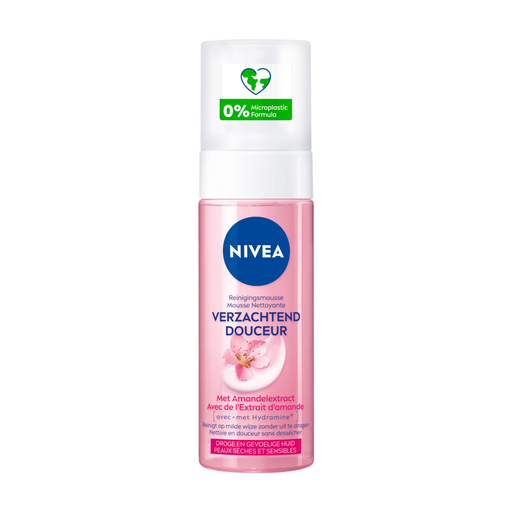
Why it suits this profile: The ready-to-use mousse is easy to dispense and, according to the product information, is intended for daily use on dry and sensitive skin.
The product information mentions a gentle foam formula and almond oil. However, check the fragrance information if your skin is sensitive to it.
150 ml, pump bottle and dermatologically tested skin tolerance according to the product description.
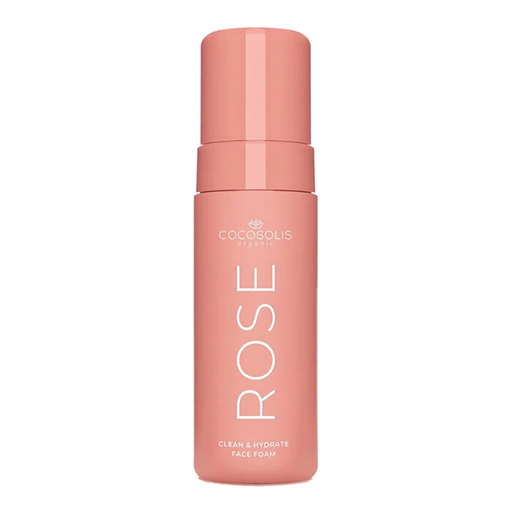
Why it suits this profile: This foaming cleanser combines a ready-to-use foam texture with ingredients such as glycerine, sodium hyaluronate, rose water and inulin.
The ingredients list is visible and can be checked. If you want to avoid fragrance, bear citronellol and the scent of Bulgarian rose in mind.
150 ml, foam texture and the option to use the cleanser after cleansing oil for a double cleanse, according to the product description.
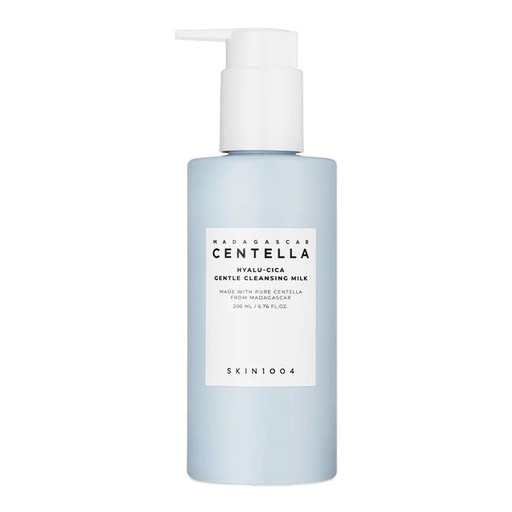
Why it suits this profile: The milk texture is intended for use on dry hands and a dry face and can loosen make-up and impurities.
The directions make it clear that you can use a second cleanser with heavy make-up. This means you do not have to make one product work for every cleansing task.
200 ml, milk texture and an ingredients list including glycerine, panthenol, ceramide NP and hyaluronic acid.
We have put together a complete, up-to-date list of products that fully meet these strict selection criteria and the applicable European safety regulations.
For many people, cleansing once in the evening is enough to remove sun cream, dirt and make-up residue. If you have normal to oily skin, cleansing in the morning may also feel beneficial. Dry or sensitive skin may benefit from cleansing less often or for a shorter time. Always follow the product instructions and pay attention to how your skin reacts.
That depends on the formula and the type of make-up. A gel or foam may remove light make-up residue, but waterproof mascara and long-wearing foundation may first require an oil, balm or milk. According to the product description, the SKIN1004 cleansing milk is intended to loosen make-up and impurities; a second cleanser is recommended for heavy make-up.
This varies depending on the size, amount dispensed and frequency of use. A 150 ml bottle lasts longer with one small amount per day than with two generous pumps per wash. Also check the period after opening on the packaging. Store the bottle according to the instructions, for example away from direct sunlight, and close the dispenser securely.
