
Vandaag of morgen in huis

Kwaliteit gegarandeerd

Welkomstaanbiedingen ontgrendelen: GRATIS bezorging | Tot 80% korting | Gratis 30 dagen JoyPlus-proefperiode
Download de app
A face towel may seem like a simple product, but you quickly notice when you have made the wrong choice. A towel can feel too rough, leave lint behind or fail to absorb enough moisture. Face towels are also sometimes confused with general-purpose cleaning cloths. These are not automatically suitable for use on the face.
The main pitfalls when buying are:
A cotton face towel is reusable and generally feels familiar against the skin. Check the stated cotton percentage and weight. A 100% cotton towel weighing 100 g may feel fuller than a lighter 85 g model, but the weave is also important.
Disposable towels are often made from viscose or plant-based non-woven fibres. According to C&S’s product description, the fibres are processed using spunlace or hydro-entanglement technology. This is said to create a soft, low-lint texture. This is a product specification, not a guarantee that every skin type will react in the same way.
If you have sensitive skin, it is sensible to choose a smooth surface without hard raised edges and test the towel on a small area first. Stop using it if irritation occurs and avoid contact with the eyes.
A size of around 20 × 20 cm is useful for facial cleansing, removing make-up and baby care. Longer cotton towels measuring approximately 34 × 72 cm or 35 × 72 cm are more versatile: you can also use them for your hands, hair or after exercise.
An absorbent towel should soak up moisture without immediately becoming heavy or saturated. For disposable towels, thickness, the number of layers and the stated weight in grams are useful indicators. The ochama towels, for example, state 65 g/m² and measure 180 × 200 mm. Always check whether a product is intended for dry use, wet use or both.
A pack of 60 or 80 sheets is easy to take with you. For everyday use, a pack containing 180 or 200 sheets may need replacing less often. Do not compare only the total price; also look at the price per sheet and the expected number of sheets used each day.
Reusable cotton towels do not have a cost per use, but they do require washing, drying and a sufficient supply. Disposable towels save time on maintenance, but create more waste. Put used towels in general waste and do not flush them down the toilet unless the packaging explicitly says otherwise.
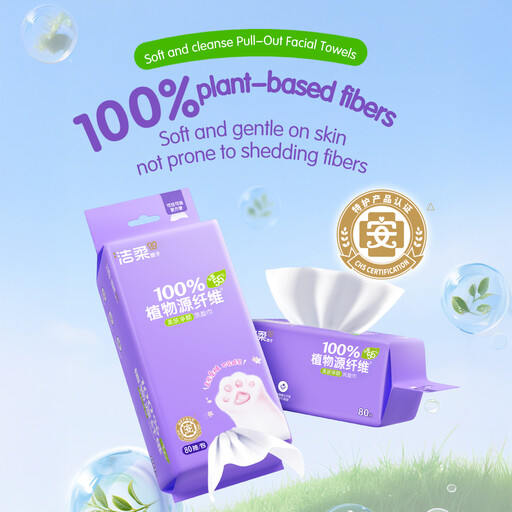
Why this suits the profile: A straightforward pack of 80 sheets is a good way to try disposable towels for daily cleansing or removing make-up.
The size of 200 × 200 mm, the number of sheets and the plant-based non-woven fibre material are clearly specified.
80 sheets, a large surface area and, according to the product description, low-lint and absorbent.
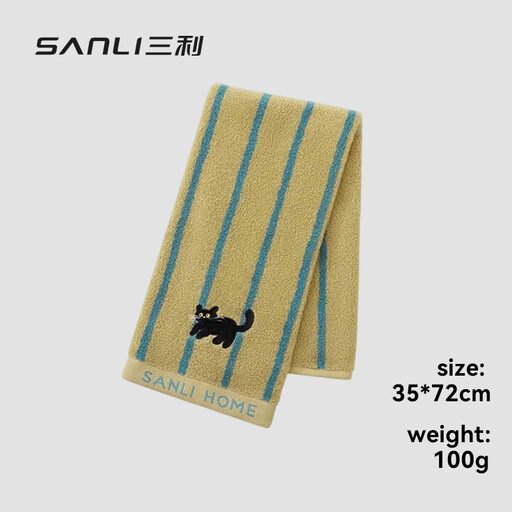
Why this suits the profile: This reusable cotton towel is a practical choice if you want a larger size and a dedicated place for it in the bathroom.
The product specification states 100% cotton, 35 × 72 cm and 100 g. This means you do not have to rely solely on the word “soft”.
100% cotton, a size suitable for multiple uses and a stated weight of 100 g.
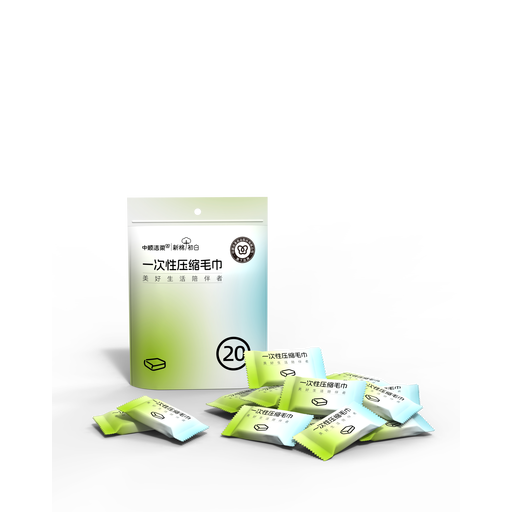
Why this suits the profile: The compact tablets are handy for travel, camping, gym bags and business trips where space is limited.
The product is not supplied as a standard dry towel: the tablet must first be expanded with water. This prevents incorrect expectations about its size.
20 pieces, compact before use and a stated expanded size of 24 × 30 cm.
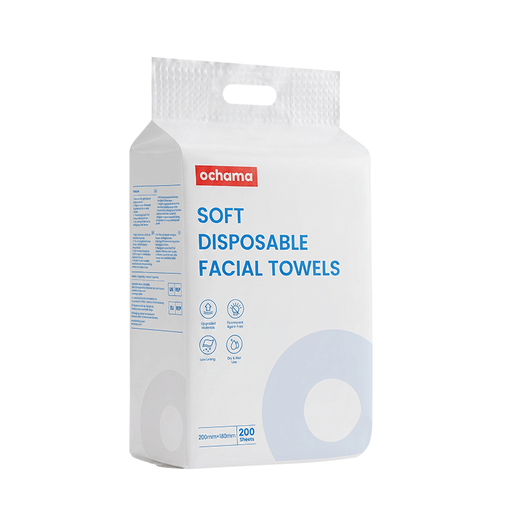
Why this suits the profile: The hanging, pull-out design suits a busy household where you want to take a clean towel for each use.
The product is designed as a disposable towel and states a size of 180 × 200 mm, 200 sheets and 65 g/m². Used sheets must not be flushed down the toilet.
200 sheets, suitable for dry or damp use according to the product description, plus a hanging hook for quick access.
Wash a cotton face towel regularly according to the care label and let it dry completely before storing it. Ideally, use several towels so that you are not repeatedly using the same one. Wash face towels separately from fabrics that produce a lot of lint if you want to minimise lint build-up.
Disposable towels do not require washing, but the packaging should be closed properly. This helps limit exposure to moisture and dust. The same applies to a travel pack: keep the towels dry and only take as many as you need.
Also note the difference between make-up removal towels and dry face towels. A dry towel will not automatically remove all cosmetics. You can dampen it and, if appropriate, use it with a cleansing product, provided the instructions allow this.
We have put together a complete, up-to-date list of products that fully meet these strict selection criteria and the applicable European safety regulations.
That depends on the material, finish and care. A cotton towel is reusable, but it must be clean and completely dry. Use several towels if you dry your face every day.
Lifespan varies depending on quality, washing programme and use. Replace a towel when it becomes thin, stays rough to the touch, frays or absorbs less effectively. Always follow the care label.
Not always. Compare the price per sheet with the purchase price and maintenance costs of cotton towels. Disposable towels can be cost-effective for travel, exercise or occasional use, while cotton may be the more logical choice for everyday use at home.
