
Vandaag of morgen in huis

Kwaliteit gegarandeerd

Welkomstaanbiedingen ontgrendelen: GRATIS bezorging | Tot 80% korting | Gratis 30 dagen JoyPlus-proefperiode
Download de app
Finding a product that offers protection and feels comfortable isn’t always straightforward. Many people buy a face sunscreen based solely on the SPF50+ number. Then they discover the formula is too greasy, leaves a white cast, or makes their make-up pill.
When it comes to face sunscreen SPF50, there are three main pitfalls to watch out for:
SPF50 or SPF50+ targets UVB rays, which can cause redness and burning. For daily sun protection, UVA protection is also important. UVA rays penetrate deeper and are present all year round, even on cloudy days.
Look out for the following indicators:
A product with SPF50+ is not automatically water-resistant. Look for “water resistant” if you need the sunscreen for sports, cycling in warm weather or swimming. Also check how often reapplication is recommended.
The right texture determines whether you’ll use the product every day. A rich cream can be pleasant for dry skin, but may feel heavy on oily or combination skin. A light lotion or watery formula often spreads more easily under make-up.
If you’re looking for a light sunscreen without a white cast, you can consider chemical filters or hybrid formulas. Mineral filters such as zinc oxide and titanium dioxide can, on the other hand, leave a visible cast, especially when you apply generously. That’s not necessarily a problem, but it’s something to be aware of beforehand.
Also pay attention to:
Ingredients such as glycerine, hyaluronic acid, panthenol, niacinamide or rice extract are often added for the skin experience. According to brands’ own product information, these ingredients can contribute to hydration, a comfortable feel or a pampered finish. However, they don’t replace a full skincare routine and are not a medical treatment.
With a sunscreen for sensitive skin, it’s wise to check the full ingredients list. Fragrance, essential oils and certain preservatives can cause irritation for some users. Test a new product on a small area of skin first, and stop if you experience redness, itching, swelling or a stinging sensation.
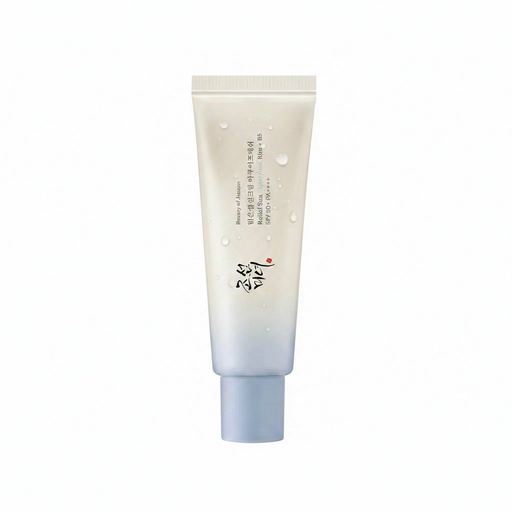
Why this fits the profile: The described watery texture, SPF50+ PA++++ and 50 ml size make this a practical choice for anyone looking for daily face sunscreen without a complicated routine.
The product description mentions fast absorption, no white cast and no greasy residue. This means you’re less likely to skip the sunscreen because of an unpleasant finish.
SPF50+ PA++++, 50 ml, according to the product information fragrance-free and alcohol-free, with rice water and panthenol.

Why this fits the profile: The milk formula is aimed at users who want a compact face sunscreen with high protection and water resistance.
The product information mentions a light texture and water resistance. That’s more relevant for intensive outdoor use than just a general skincare claim.
SPF50+, water-resistant formula according to the product description, and a travel-friendly 12 ml size.
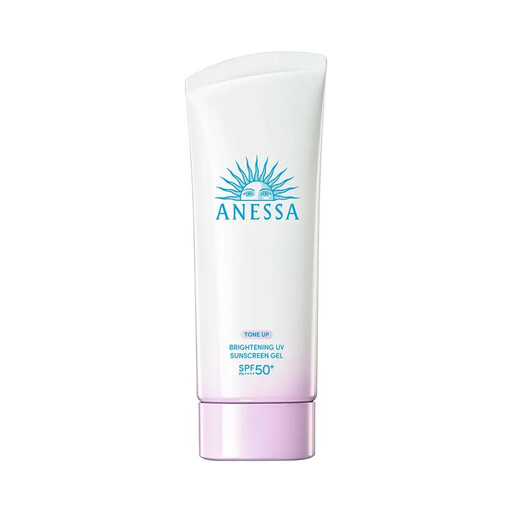
Why this fits the profile: This product is aimed at those who spend a lot of time outdoors and want a larger pack with resistance to water, sweat and friction.
The stated resistance to water, sweat and friction ties in with sports or prolonged outdoor activities. Reapplication is still necessary according to the usage instructions.
SPF50+ PA++++, 90 g, and according to the product information resistance to water, sweat and friction.
We’ve put together a full, up-to-date list of products that fully meet these strict selection criteria and comply with current European safety regulations.
Be careful with make-up: let a hydrating sunscreen sink in first, then apply foundation with a patting motion. Rubbing can cause pilling when multiple layers of skincare don’t work well together.
Yes, a face sunscreen SPF50+ can be used daily when your face is exposed to daylight. Choose a texture that suits your skin type, so you keep applying enough product. Always check the packaging for the exact usage instructions.
Look at the expiry date and the batch or best-before label on the packaging. Store sunscreen in a cool, dry place, away from direct sunlight and heat. If the smell, colour or consistency changes, do not use the product.
No. Korean sunscreen can offer attractive textures, PA++++ ratings and nourishing ingredients, but suitability depends on the full formula, your skin type and how you use it. So compare SPF, UVA protection, finish, fragrance, water resistance and size before you buy.
