
Vandaag of morgen in huis

Kwaliteit gegarandeerd

Welkomstaanbiedingen ontgrendelen: GRATIS bezorging | Tot 80% korting | Gratis 30 dagen JoyPlus-proefperiode
Download de app
Buying SPF 50 sunscreen for your face sounds simple. Yet many consumers arrive home with a product that feels too greasy, leaves a white cast or pills under make-up. A high protection factor also does not tell you everything about texture, UVA protection, water resistance and everyday use.
As a Joybuy Product Recommendation Officer, I filter product information based on practical features. Below, you’ll learn what to look for in SPF50+ face sunscreen, which marketing claims to view critically and which products suit different skin types and situations.
SPF mainly refers to protection against UVB radiation, which can cause redness and sunburn. UVA protection is also relevant for daily facial sun protection. So look for a UVA indication, such as PA+++, PA++++ or the UVA symbol on the packaging.
A product with SPF 50 or SPF 50+ is therefore not automatically the same as every other product with that factor. Always check the current packaging and product information too.
A fluid texture can feel comfortable on oily or combination skin, but may not provide enough comfort for dry skin. Hydrating sunscreen often contains ingredients such as glycerine, hyaluronic acid or other moisturising components. Mattifying sunscreen, on the other hand, often uses silica, starch or similar absorbent ingredients.
Also check for fragrance and alcohol denat. If you’re looking for sunscreen for sensitive skin, a fragrance-free formula may be beneficial, but skin sensitivity varies from person to person. Test a new product on a small area of skin first.
A sunscreen without a white cast may absorb transparently, yet still leave a glossy, powdery or tinted finish. Mineral filters such as zinc oxide and titanium dioxide can remain visible, especially when you apply too little product. Chemical filters often provide an invisible finish, but some users may find them less comfortable.
So consider the combination of filters, texture and finish rather than focusing on just one marketing term.
For everyday use in the Netherlands, SPF 50 or SPF 50+ is a practical choice if you spend a lot of time outdoors or want to protect your face consistently. Apply the product generously to your face and neck. A layer that is too thin reduces the protection compared with the value stated on the packaging.
If you’re swimming, cycling in the rain or doing a lot of sport, choose a product that is clearly labelled water-resistant. This does not mean you won’t need to reapply it. Reapply after swimming, sweating or drying yourself, and always follow the directions for use.
A hydrating sunscreen can combine several steps in your morning routine, but it does not always replace a separate moisturiser. A tinted formula can make redness or an uneven complexion look less visible. A tone-up product with pink or lavender pigments can make the skin appear lighter; test the shade in daylight first.
Claims about anti-ageing, pigmentation or protection against oxidative stress should be read as brand communications. According to the relevant brand’s own research, certain ingredients or usage tests may show specific results, but those results are not automatically guaranteed for every user. Sunscreen is not a treatment for skin problems.
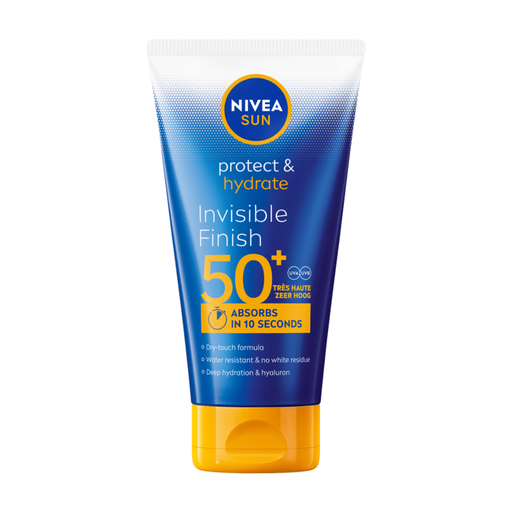
Why it suits this profile: The 150 ml pack is practical for everyday use on the face and body. The dry-touch formula is designed to absorb quickly, leaving skin feeling hydrated without visible white residue.
The product description mentions fast absorption, water resistance and a finish without a white cast. If you have sensitive skin, check the ingredients list for fragrance.
SPF 50+, water-resistant formula, 150 ml capacity, plus glycerine and sodium hyaluronate in the ingredients list.

Why it suits this profile: This compact milk formula is convenient for travel, commuting and anyone looking for a lightweight texture.
The description mentions a lightweight texture and water resistance. At 12 ml, the capacity is smaller, so compare it with how much you expect to use.
SPF 50+, milk texture, water resistance and a compact size for use on the go.
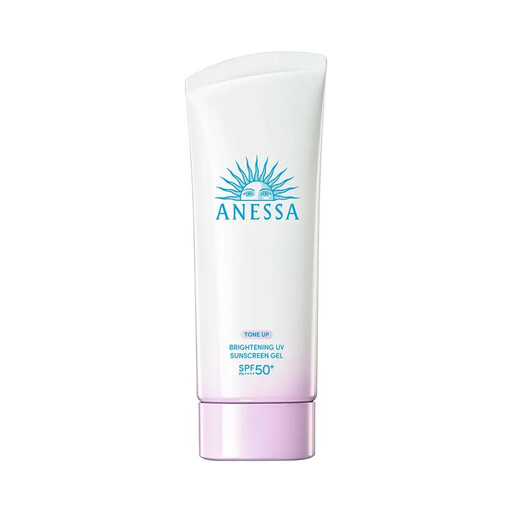
Why it suits this profile: This gel is aimed at users who want to combine a high SPF, PA++++ rating and resistance to water, sweat and friction with a softly radiant finish.
The product information mentions resistance to water, sweat and friction. The pink-lavender base creates a visible finish, so check whether it suits your complexion and make-up.
SPF 50+ PA++++, 90 g capacity, gel texture and, according to the product description, a primer function.

Why it suits this profile: According to the product information, this Korean sunscreen has a lightweight, hydrating cream texture and is fragrance-free. That makes it an interesting option for everyday use and under make-up.
The formula is described as fragrance-free, without a white cast and non-sticky. On very oily skin, however, a hydrating finish may still appear more radiant.
SPF 50+ PA+++, 30% rice extract according to the product information, fragrance-free formula and 50 ml capacity.
We’ve put together a complete, up-to-date list of products that fully meet these strict selection criteria and the applicable European safety requirements.
Apply facial sunscreen as the final step in your morning routine, before make-up. Use enough product for your face, ears and neck. During prolonged exposure, reapply as directed on the packaging, usually after a few hours and after swimming, sweating or drying yourself.
An SPF product only works properly when you use it consistently and generously. Avoid direct contact with the eyes and stop using it if irritation occurs. Before use, check the current ingredients list, expiry information and warnings on the packaging.
Yes, SPF 50 face sunscreen is intended for everyday use when the formula feels comfortable and suits your skin type. For oily skin, choose a lightweight or mattifying option; for dry skin, choose a more hydrating formula. Reapply when you’re spending longer periods outdoors.
Choose a product whose information states that it has an invisible finish or offers “no white cast”. Apply the product in thin, even layers and give it time to absorb. Tinted sunscreen can visually disguise visible residue, but it may transfer colour or be less suitable for every skin tone.
Many lightweight fluids, gels and Korean sunscreens can be used this way. Allow the sun protection to absorb first, then apply make-up without rubbing firmly. If the product pills, use fewer skincare layers underneath or choose a formula that is described as suitable for use as a make-up base.
