
Vandaag of morgen in huis

Kwaliteit gegarandeerd

Welkomstaanbiedingen ontgrendelen: GRATIS bezorging | Tot 80% korting | Gratis 30 dagen JoyPlus-proefperiode
Download de app
A good face sunscreen SPF 50 needs to do more than just offer a high protection factor. The texture often determines whether you’ll actually use it every morning. A cream that feels sticky, pills under make-up or leaves a visible white cast will quickly end up unused in your bathroom cabinet.
So watch out for these three common pitfalls:
For daily use on the face, many shoppers choose SPF 50 or SPF 50+, especially if you’re regularly outdoors. SPF relates to the level of UVB protection under standardised test conditions. UVA radiation requires a separate indication.
SPF 50+ PA++++ is a common combination in Korean skincare. PA++++ indicates a high UVA protection category according to that classification system. Always check the label and European product information too. A higher factor doesn’t mean you can use less product or skip reapplying.
A lightweight sunscreen, fluid or serum usually absorbs more easily than a rich cream. That can be practical for your commute, cycling and wearing under make-up. If you’re looking for a non-greasy sunscreen, look out for terms like:
These terms describe the formula, but how it feels on the skin varies from person to person. Apply a small amount along your jawline first and see how the cream feels after a few minutes.
With a sunscreen for sensitive skin, it’s wise to check the full ingredients list. Look out for fragrance, alcohol denat. and any known ingredients you’ve reacted to before. “Dermatologically tested” doesn’t mean everyone can use it without issues.
Mineral filters, such as zinc oxide, can leave a slight cast. For Haruharu Wonder, the product information notes that zinc oxide may initially cause a slight white cast. Chemical filters can apply more transparently, but personal tolerance still matters. Stop using it if irritation occurs and avoid contact with the eyes.
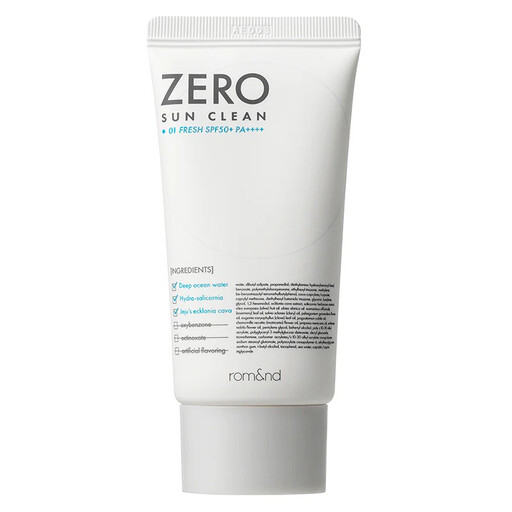
Why this fits the profile: An accessible choice for anyone looking for a fresh, lightweight face sunscreen for daily use and under make-up.
According to the product description, the formula absorbs quickly and leaves no white cast or sticky feeling. Check the current ingredients list at the time of purchase.
Lightweight texture, fresh finish and, according to the product details, suitable for all skin types, including oily skin.
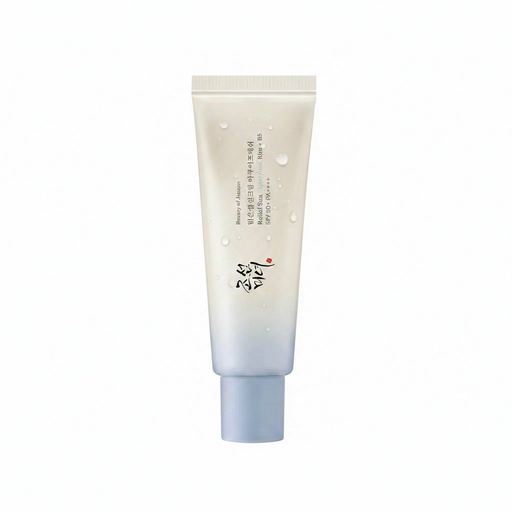
Why this fits the profile: Ideal for fans of Korean sunscreen who want a watery, comfortable formula without fragrance.
The product information mentions fast absorption with no white cast or greasy residue. That makes the formula practical as a layer under make-up.
SPF 50+ PA++++ according to the product details, 50 ml content, fragrance-free and formulated with rice water and panthenol.
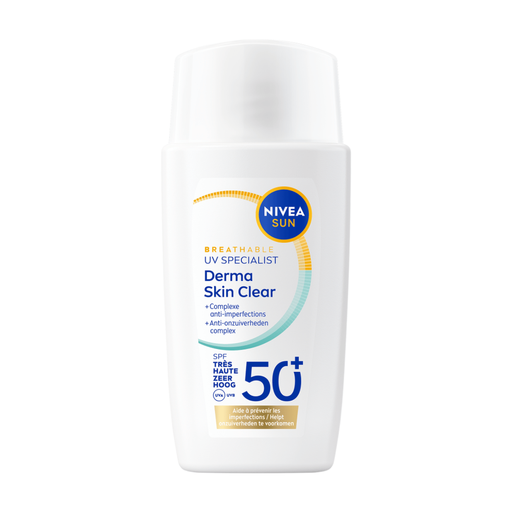
Why this fits the profile: A practical option for anyone looking for a mattifying sunscreen for oily or combination skin.
According to the manufacturer, the formula contains an Anti-Impurities Complex and niacinamide. The manufacturer also claims a matte effect lasting up to 8 hours; this is based on a brand claim and not a general guarantee.
SPF 50+ and PA++++ according to the product information, ultra-light fluid texture and designed for use under make-up.
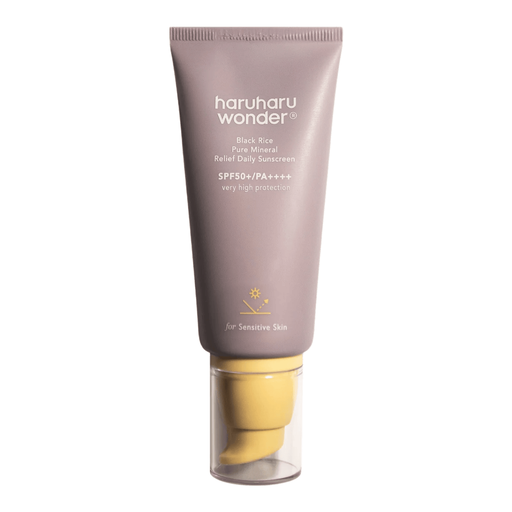
Why this fits the profile: For those consciously choosing a mineral sunscreen and willing to spend a little longer blending it in.
The product information mentions zinc oxide as the UV filter and simultaneously warns of a possible slight white cast. This makes the expectations about the finish clearer.
50 ml content, mineral formula with zinc oxide and ingredients such as glycerine, ceramide NP and sodium hyaluronate.
We’ve put together a full, up-to-date list of products that fully meet these strict selection criteria and comply with current European safety regulations.
Apply your face sunscreen as the last step of your morning routine, before make-up. Use enough product for your face and neck; a layer that’s too thin reduces the protection compared to the value on the label. Reapply during prolonged exposure, sweating, swimming or drying off with a towel. Even on cloudy days, daily sun protection can be relevant if you spend a lot of time outdoors.
For dry skin, look for hydrating ingredients and a cream or serum texture. For oily skin, a mattifying formula and non-greasy finish may feel more comfortable. If you have sensitive skin, a patch test is a good idea.
Not everyone needs SPF 50 in the same conditions. Factor 30 can be sufficient for some daily situations, while SPF 50+ may make sense if you’re outdoors a lot, have fair skin or are in strong sun. More important than the number alone is applying enough and reapplying.
Check the symbol for shelf life after opening and the expiry date on the packaging. Store the product away from direct sunlight and close the packaging properly. A change in smell, colour or texture could be a reason to stop using it.
Yes, a lightweight fluid or gel can be practical for this. Let the sunscreen absorb fully first and choose a formula that, according to the product description, absorbs quickly and leaves no white cast. Test beforehand whether the combination with your serum, moisturiser and foundation doesn’t pill.
