
Vandaag of morgen in huis

Kwaliteit gegarandeerd

Welkomstaanbiedingen ontgrendelen: GRATIS bezorging | Tot 80% korting | Gratis 30 dagen JoyPlus-proefperiode
Download de app
A face sunscreen SPF 50 might seem straightforward to choose at first glance. Yet formulas vary greatly in texture, UV filters, water resistance and suitability for your skin type. A product that feels fine on the body can feel heavy on the face, sting around the eyes or cause make-up to pill.
Pay particular attention to three common pitfalls:
SPF 50 or SPF 50+ mainly refers to protection against UVB radiation, which causes redness and burning among other things. Also look for a clear indication of UVA protection, such as PA++++ or a UVA symbol on the packaging. UVA radiation penetrates deeper and plays a role in long-term discolouration and visible skin ageing.
An SPF 50+ is no reason to stay in the sun longer. Avoid strong sun where possible, wear protective clothing and use additional sun protection on exposed skin.
A formula with chemical UV filters may contain ingredients such as Diethylamino Hydroxybenzoyl Hexyl Benzoate, Ethylhexyl Triazone or Bis-Ethylhexyloxyphenol Methoxyphenyl Triazine. These ingredients appear in many Korean sunscreens and light lotions.
Mineral sunscreen uses zinc oxide or titanium dioxide, among others. This can be of interest if you're looking for mineral filters, but a slight white cast may remain. Haruharu Wonder Black Rice Pure Mineral, for example, notes that zinc oxide can initially leave a slight white cast and that thorough massaging is necessary.
If you have sensitive skin, also check for fragrance, alcohol and essential oils. If in doubt, first carry out a patch test on a small area of skin. Stop using the product if you experience redness, itching, swelling or a burning sensation.
For daily use on the face, a light sunscreen, a hydrating sun protection or a formula without a white cast is often practical. Dry skin can benefit from glycerine, hyaluronic acid or rice extract. Oily or combination skin may respond better to a mattifying finish, silica or a lightweight lotion.
Water resistant does not mean you only need to apply the protection once. You must reapply after swimming, sweating or towel drying. For children and intensive outdoor activities, a water-resistant sunscreen is handy, but repeated applications are still necessary.
Pay attention to the volume. A 50 ml tube is practical for daily face and neck use, while a 200 ml lotion may be more suitable for face and body or for a family.

Why this fits the profile: The light, hydrating texture is designed for daily use and under make-up, according to the product description.
The description states SPF50+ PA+++ and a formula with no white cast or sticky feel. Check the current packaging for the full UVA information.
50 ml, rice extract and fermented ingredients; fragrance-free and suitable for sensitive skin according to the product information.
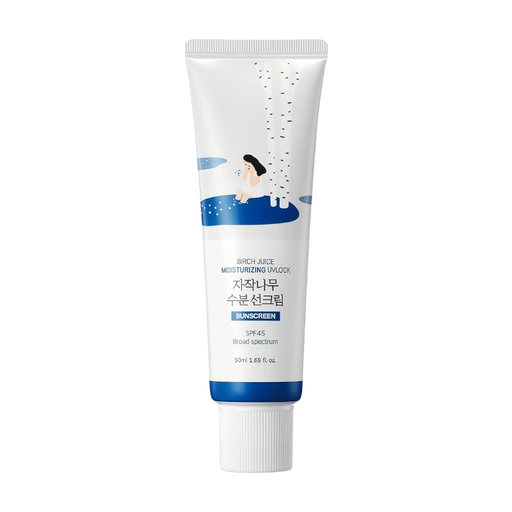
Why this fits the profile: A face sunscreen with multiple hydrating ingredients for those who value comfort alongside UV protection.
The ingredients list includes four chemical UV filters and no mineral zinc oxide filter, making the choice clearer for those wanting to minimise white cast.
Glycerine, sodium hyaluronate and two forms of hyaluronic acid appear in the ingredients list; 50 ml packaging.
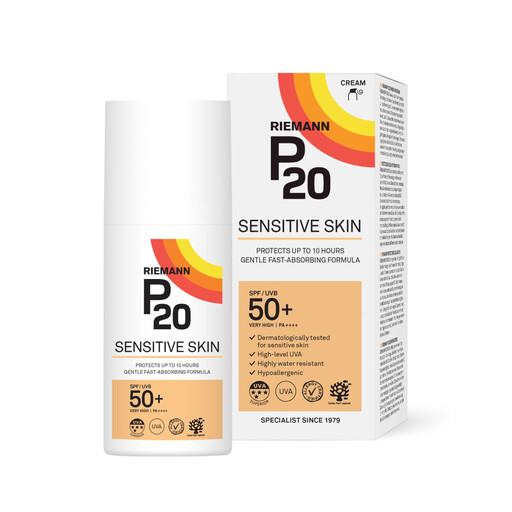
Why this fits the profile: The 200 ml volume is practical for prolonged outdoor activities and use on the face, arms and legs.
The product information states to apply 15 minutes before exposure and to reapply after towel drying or heavy sweating. This makes the usage advice concrete.
SPF 50+, 200 ml, glycerine and silica in the formula; originates from Denmark according to the product data.
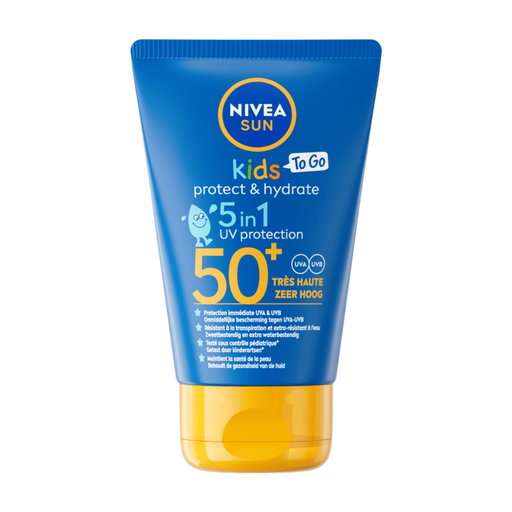
Why this fits the profile: The compact size is handy for pushchairs, school bags and day trips.
According to the product information, the formula is extra water-resistant and developed for children. Always check for allergies and the current packaging.
SPF 50+, UVA and UVB protection, 50 ml and panthenol in the ingredients list.
We've put together a full, up-to-date list of products that fully meet these strict selection criteria and comply with current European safety regulations.
Apply sunscreen as the last step of your morning routine, after any day cream. Use enough for your face, ears and neck and spread the product evenly. When you're outdoors, reapplying approximately every two hours is standard advice. Reapply after swimming, sweating or towel drying.
Test a new sunscreen on a small patch of skin first. Avoid contact with the eyes and do not use the product on damaged or irritated skin. For children, staying out of direct sunlight remains important; sunscreen does not replace clothing, a hat or shade.
Yes, SPF 50 can be used as daily sun protection when the texture suits your skin. For dry skin, choose a hydrating formula, for example, and for oily skin, a light or mattifying sunscreen. Apply enough and reapply during prolonged exposure.
The amount needed depends on the product and the area to be protected. A practical guideline is roughly two finger-lengths for face and neck combined. Also check the usage advice on the packaging. Too little product reduces the stated protection.
Yes, with many light face sunscreens you can. First let the cream spread and absorb well before applying make-up. A formula without a white cast or with a thin lotion texture can be more comfortable for this. Work within the stated shelf life and store the product in a cool, dry place away from direct sunlight.
