
Vandaag of morgen in huis

Kwaliteit gegarandeerd

Welkomstaanbiedingen ontgrendelen: GRATIS bezorging | Tot 80% korting | Gratis 30 dagen JoyPlus-proefperiode
Download de app
A face sunscreen SPF 50 needs to offer more than just a high protection factor. The texture, filters, finish and how easily you can reapply it all determine whether you’ll actually use enough of it every morning. A cream that’s too greasy, for example, will end up sitting unused in the bathroom cabinet, while a mattifying formula can feel tight and uncomfortable on dry skin.
SPF mainly tells you about protection against UVB rays, which cause redness and sunburn. For daily facial skincare, UVA protection is also important. UVA rays penetrate deeper and play a role in visible skin ageing and pigmentation changes. So always check whether the product explicitly states UVA and UVB protection. On Korean sunscreens, you’ll often see the rating PA++++.
Terms like “anti-ageing”, “brightening” or “blue-light protection” sound appealing, but how well they work depends on the full formula, the amount you apply and how you use it. According to NIVEA’s own product information, the Anti-Age Q10 formula can visibly help reduce wrinkles; this is a brand claim and not a guarantee for every skin type or user.
You should also take claims about pigmentation spots with a pinch of salt. Sun protection can help prevent new sun-induced discolouration, but a sunscreen is not a medical treatment.
A high SPF only works if you apply enough. A thin layer of face sunscreen gives less protection than the SPF on the bottle suggests. Apply the product generously to your face, ears and neck, and reapply after prolonged exposure, sweating, swimming or towel drying. Always follow the instructions on the packaging.
Choose a face sunscreen with SPF 50 or SPF 50+ and a clear indication of UVA protection. SPF 50+ does not mean you can stay in the sun indefinitely. Avoid strong sun around midday, seek shade and use additional protection such as sunglasses and a hat.
A product with PA++++ is especially common in Korean skincare. This rating refers to a high level of UVA protection according to the assessment system used. For European products, also check for the UVA symbol on the packaging.
The right texture will stop you from skipping your daily sunscreen:
A sunscreen without a white cast is especially handy for daily use and across different skin tones. Mineral filters like zinc oxide and titanium dioxide can sometimes leave visible residue, whereas chemical UV filters often blend in more transparently. Neither option is automatically right for everyone.
Also consider whether the formula contains fragrance and whether the nourishing ingredients suit your routine. Niacinamide, glycerine, hyaluronic acid and beta-glucan are often used for a comfortable skin feel, but they don’t replace dermatological advice for persistent irritation.
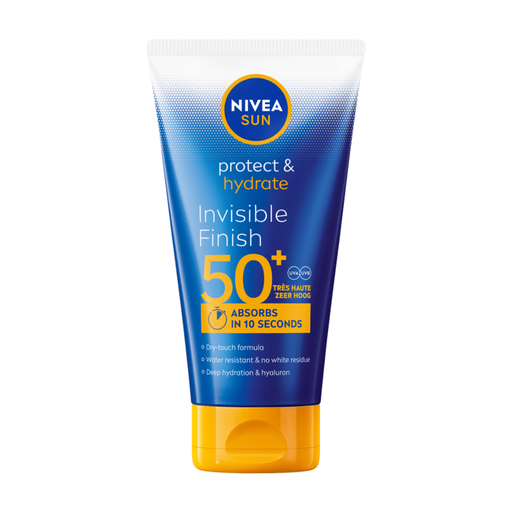
Why it fits this profile: The 150 ml bottle is practical for daily use and offers plenty of product for your face and other exposed skin. According to the product description, the dry-touch formula absorbs quickly and leaves no white cast.
The larger size helps prevent you from skimping on how much you apply. The product information also mentions a water-resistant formula, but reapplying is still necessary.
SPF 50+, hydrating positioning, dry-touch finish and, according to the product description, no white residue.

Why it fits this profile: This milk formula is designed for users who want a light texture and water resistance. At 12 ml, it’s also handy for your bag or a short trip.
The product description mentions water resistance and a light texture, so it feels less heavy during outdoor activities. Check the current packaging for the exact usage instructions.
SPF 50+, light milk texture and water resistance according to the product information.
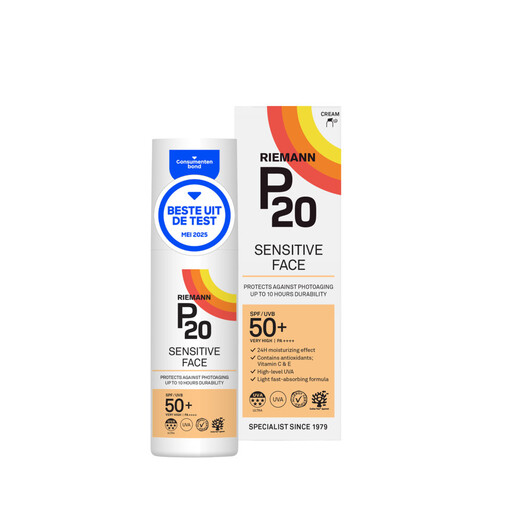
Why it fits this profile: The formula contains ingredients such as glycerine, panthenol, trehalose and squalane. This makes it an interesting choice for anyone who wants high protection combined with a nourishing feel on the skin.
The usage instructions emphasise applying generously and reapplying after sweating or towel drying. This puts the focus on proper use, not just the SPF on the label.
SPF 50+, nourishing ingredients and a formula that, according to the product information, is intended for sensitive skin.
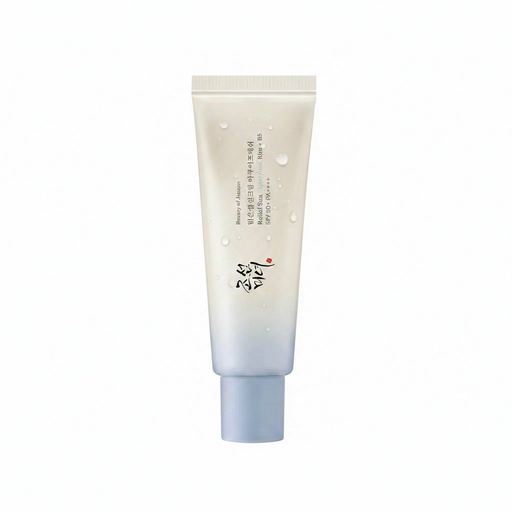
Why it fits this profile: According to the product information, this Korean sunscreen has a light, watery texture with rice water and panthenol. The formula is fragrance-free and designed for use under make-up.
The light texture and the stated absence of a white cast tackle two practical concerns: a heavy feel and visible residue.
SPF 50+ PA++++, fragrance-free formula, hydrating ingredients and a light finish according to the product details.
We’ve put together a full, up-to-date list of products that fully meet these strict selection criteria and comply with current European safety regulations.
Yes, SPF 50 can be used every day as long as the texture suits your skin type. Choose a hydrating sunscreen for dry skin and a mattifying formula for oily or combination skin. UVA protection can also be relevant on cloudy days.
Check the expiry date and the symbol on the packaging, such as the open-jar symbol. Store the tube or bottle in a cool place away from direct sunlight. If a product smells different, has separated or clearly changed in texture, it’s best not to use it.
Use enough to cover your face and neck evenly. A common practical method is to use an amount equivalent to about two finger lengths for your face and neck combined. The exact amount can vary by product, so always follow the instructions on the packaging.
