
Vandaag of morgen in huis

Kwaliteit gegarandeerd

Welkomstaanbiedingen ontgrendelen: GRATIS bezorging | Tot 80% korting | Gratis 30 dagen JoyPlus-proefperiode
Download de app
A good face cream with SPF 50 needs to offer more than just a high protection factor. The texture, ingredients, amount and suitability for your skin type will determine whether you keep using it every day. If you have oily skin, you probably don't want a heavy or shiny layer. For dry or sensitive skin, comfort and supporting the skin barrier are more important.
Also pay attention to marketing claims. A product labelled "anti-ageing", "hydrating" or "no white cast" isn't automatically right for every skin type. Below, you'll find out what to check before you buy face sunscreen SPF 50.
SPF mainly refers to protection against UVB rays, which cause redness and sunburn. For daily protection against UVA rays, it's important that the product also mentions broad-spectrum protection. Look for terms like UVA/UVB, broad spectrum or a European UVA mark.
A high SPF also doesn't make up for using too little product. You need a generous, even layer for your face and neck. Apply sunscreen as the last step of your morning routine and follow the instructions on the packaging.
A daily face cream with SPF 15 or SPF 25 can be nice as extra care, but it offers less protection than a product with SPF 50+. In practice, the amount you apply may also be lower than needed to achieve the stated factor.
If you're outdoors every day, want to help prevent pigmentation spots, or need to protect a sensitive skin from sunlight, a face sunscreen SPF 50+ is a better choice. Products like Estée Lauder DayWear SPF 15 and Clinique Moisture Surge SPF 25 combine hydration and sun protection, but they aren't a direct replacement for SPF 50 during intense exposure.
Sensitive skin isn't the same as dry, oily or acne-prone skin. Check the ingredients list for perfume, alcohol denat., essential oils and potential allergens. Even a Korean sunscreen can contain ingredients that don't suit your skin.
Test a new product on a small area of skin first. Stop if you feel a burning sensation, itching, redness or swelling. If symptoms persist, it's wise to seek advice from a doctor or dermatologist.
Choose a product with clearly stated SPF 50 or SPF 50+ and check that UVA protection is mentioned. On Korean sunscreens, you'll sometimes see the label PA+++ or PA++++. This is an additional classification for UVA protection on the Asian market. European products often use different packaging information, so always compare the full product details.
SPF 50+ doesn't mean you can stay in the sun indefinitely. Avoid prolonged exposure, seek shade and wear protective clothing when necessary.
A claim like "anti-ageing sunscreen" usually describes the combination of UV protection and nourishing ingredients. According to a brand's own research, certain ingredients can improve the appearance of fine lines or pigmentation spots, but such results aren't automatically the same for every user.
A water-resistant sunscreen is useful for swimming, sport or heavy sweating. Check how long the protection lasts under those conditions according to the packaging. No product stays fully intact after swimming, towel-drying or heavy sweating.
Reapply after these activities and regularly during prolonged exposure. A product that isn't water-resistant, such as the Centella Sun Cream mentioned, must be reapplied after swimming, sweating or towel-drying according to the product information.
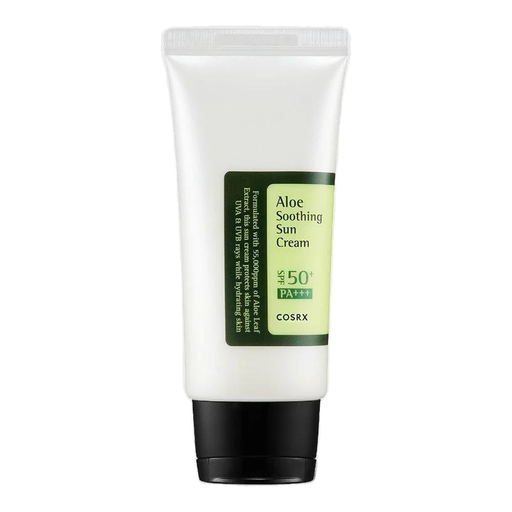
Why this fits the profile: The product description mentions a lightweight formula with aloe vera, SPF50+ and PA+++. This makes this Korean sunscreen interesting for beginners who want one daily face product that can also be used under make-up.
The mention of SPF50+ and PA+++ stops you from relying on a low SPF in a day cream. According to the product information, the formula leaves no white cast or sticky residue.
SPF50+, PA+++, aloe vera and a 50 ml size. The description mentions a lightweight texture suitable under make-up.
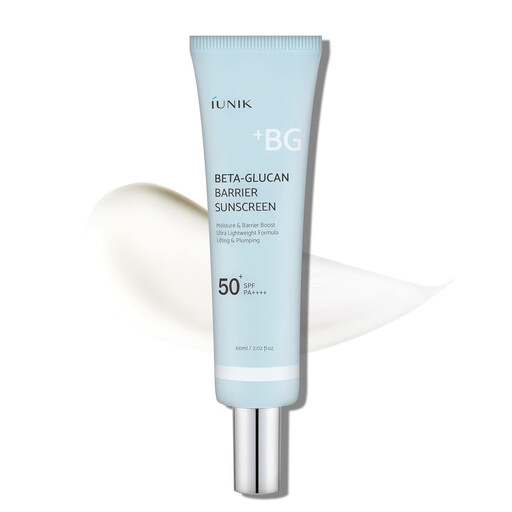
Why this fits the profile: According to the product description, this Korean daily sunscreen targets dry, oily and sensitive skin. The combination of beta-glucan, a matte finish and the mention "no white cast" suits those who value comfort and appearance.
The product information combines SPF50+ with PA++++ and mentions a matte formula without white cast. If you have sensitive skin, always check the current ingredients list.
SPF50+, PA++++, beta-glucan, vegan according to the product name and a matte finish without white cast as per the description.
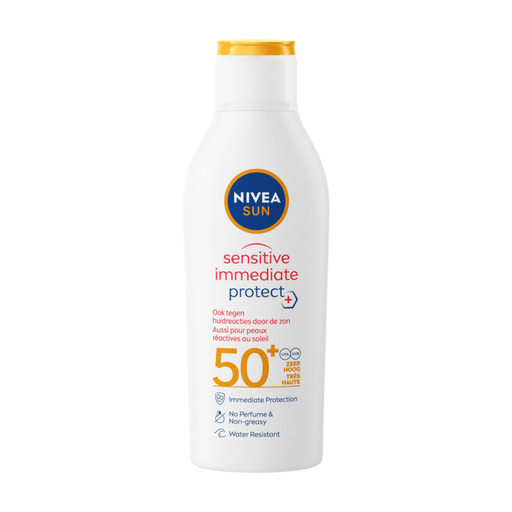
Why this fits the profile: The 200 ml size and stated water resistance suit long days outdoors, sport or use on face and body according to the product instructions.
The description mentions SPF50+, UVA/UVB protection, a perfume-free formula and water resistance. Reapplication is still needed after towel-drying, swimming or heavy sweating.
SPF50+, perfume-free according to the product information, water-resistant and 200 ml content. The formula contains aloe vera and antioxidants according to the description.
We've put together a full, up-to-date list of products that fully meet these strict selection criteria and comply with current European safety regulations.
That depends on your exposure to sunlight, but SPF 50+ is a practical choice for daily use if you're outside a lot, develop pigmentation spots quickly or want a high level of protection. Apply enough product and repeat during prolonged exposure.
Yes, when the formula absorbs quickly and doesn't leave a heavy layer. Products like Aloe Soothing Sun Cream and IUNIK Beta-Glucan are described as suitable for use under make-up according to their product descriptions. Let the sunscreen absorb fully before applying foundation.
Check the expiry date and the period-after-opening symbol on the packaging. Store the product in a cool, dry place away from direct sunlight. A change in smell, colour or texture could be a reason to stop using the product. Always follow the manufacturer's specific storage instructions.
