
Vandaag of morgen in huis

Kwaliteit gegarandeerd

Welkomstaanbiedingen ontgrendelen: GRATIS bezorging | Tot 80% korting | Gratis 30 dagen JoyPlus-proefperiode
Download de app
A separate sunscreen for your face sounds straightforward, but the differences between products are significant. Some formulas feel heavy under make-up, others leave a white cast, and some offer mostly hydration with a lower SPF. Terms like “invisible”, “anti-ageing” and “for all skin types” don’t always tell the full story either.
If you’re looking for face sunscreen SPF 50, it’s worth looking beyond just the number on the packaging. Pay close attention to protection, texture, ingredients, and how you’ll use the product every day.
A day cream with SPF 15 or SPF 30 can be handy for short daily outings, such as a walk to the supermarket. For prolonged exposure, a sunny bike ride or a holiday, a product with SPF 50 or SPF 50+ generally offers a higher stated level of UVB protection.
NIVEA Essentials Nourishing Day Cream SPF 15 and NIVEA Q10 Power Day Cream SPF 15 combine skincare with a lower SPF. That might suit someone looking for a nourishing day cream, but these products are not the same as a face sunscreen SPF 50+.
A transparent or lightweight formula may be less visible on many skin tones, but the final finish also depends on the amount you use, how you spread it, and your skin texture. Product descriptions from brands like NIVEA UV Face Invisible Daily Fluid and mention no white cast. See this as a product feature according to the brand’s description, not a guarantee for every user.
A high SPF on the packaging only delivers the stated protection when you use enough product. A thin layer of face sunscreen reduces protection. Apply the product generously to your face, ears and neck, and follow the usage instructions on the packaging. Reapply after sweating, swimming or towel-drying. A product that feels pleasant is often used more consistently in practice than a formula that feels sticky or pills under make-up.
SPF primarily relates to protection against UVB radiation, which causes redness and sunburn. Also check whether the packaging mentions UVA protection. For daily facial sun protection, a combination of UVA and UVB protection is important.
An SPF 50 or SPF 50+ product is a logical choice for people who spend a lot of time outdoors, tan easily, or pay extra attention to anti-ageing sun protection. Claims about preventing skin ageing should be read as brand communication. According to the product descriptions of various brands, their formula helps limit the visible effects of sun exposure; that is not a medical guarantee.
Don’t just look at the front of the packaging. The ingredients list can provide important information about filters, fragrance, alcohol and hydrating components. The BIRCH Juice Moisturizing Sunscreen contains, according to the listed ingredients, niacinamide, glycerine and various forms of hyaluronic acid. The formula also contains chemical UV filters.
For every product, pay attention to warnings, shelf life and storage. Keep sunscreen out of direct sunlight and do not use it around the eyes unless the packaging allows it. Do not assume water resistance: according to the product information, Anua Heartleaf Silky Moisture Suncream is not water-resistant.
Why this fits the profile: An accessible day cream for dry skin when skincare and a modest SPF are more important than maximum sun protection.
The SPF 15 is clearly stated, so you won’t accidentally judge this day cream as an SPF 50 product.
50 ml; according to the product description, with almond oil, hyaluronic acid and a nourishing texture for dry skin.
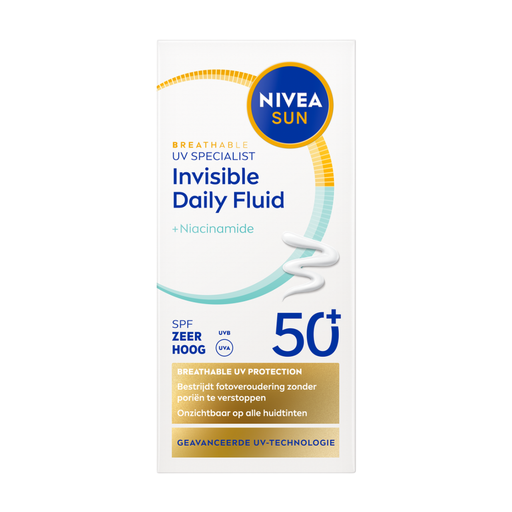
Why this fits the profile: A lightweight fluid for daily use, especially when you want a non-greasy finish and a formula that works under make-up.
The product description states SPF 50+, UVA/UVB protection, a light texture and no white residue. The brand’s claim about a matte finish is based on an instrumental test with 35 volunteers.
40 ml; according to NIVEA, ultra-light, non-sticky and suitable under make-up. Shake before use.
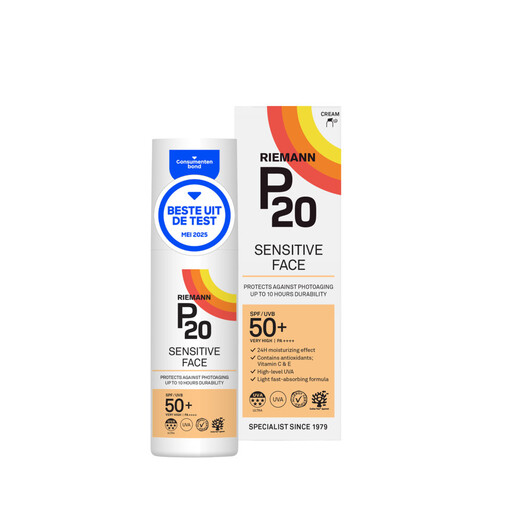
Why this fits the profile: Suitable for users who want a high stated level of protection and are willing to pay extra attention to generous application and reapplication.
The usage instructions emphasise that too little product significantly reduces protection and that reapplication is necessary after towel-drying or heavy sweating.
50 g; according to the ingredients list, contains glycerine, panthenol, squalane and multiple UV filters.
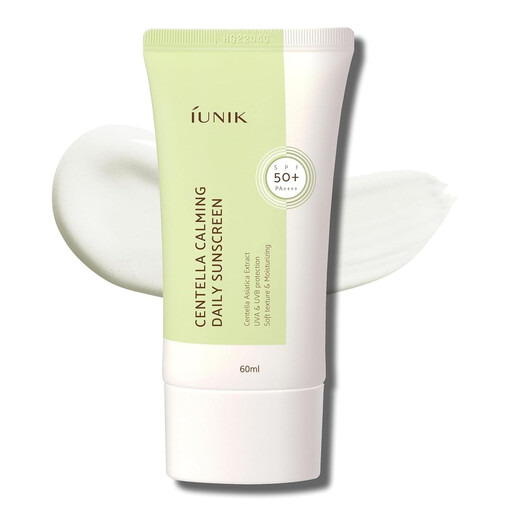
Why this fits the profile: An option for those looking for a fragrance-free face sunscreen with high SPF for daily use.
The product information states SPF 50+, UVA and UVB protection, no fragrance and a non-sticky finish. Always check the full packaging if you have allergies.
60 ml; according to the product description, suitable for all skin types and intended for repeated daily use.
We’ve put together a full, up-to-date list of products that fully meet these strict selection criteria and comply with current European safety regulations.
That depends on your sun exposure, skin type and activity. For short periods outdoors, SPF 30 can be sufficient when you apply it correctly and generously. If you work outside a lot, cycle, exercise or burn easily, you can choose SPF 50 or SPF 50+. Reapply after sweating, swimming or towel-drying.
Yes, but choose a lightweight fluid or non-greasy sunscreen and give the product time to absorb. NIVEA UV Face Invisible Daily Fluid is recommended under make-up according to the product description. When trying a new formula, test a small amount first to see if it pills with your foundation.
Check the shelf life information and the symbol on the packaging. Heat, direct sunlight and prolonged opening can affect quality. Store sunscreen in a cool, dry place, close the packaging properly, and do not use the product if the smell, colour or texture has clearly changed.
