
Vandaag of morgen in huis

Kwaliteit gegarandeerd

Welkomstaanbiedingen ontgrendelen: GRATIS bezorging | Tot 80% korting | Gratis 30 dagen JoyPlus-proefperiode
Download de app
A good face sunscreen should do more than just protect. You also want a formula that feels comfortable, doesn’t pill under make-up and leaves no visible white cast. Yet many product choices are based on marketing language rather than verifiable specifications.
The most common pitfalls:
For daily use in the UK, SPF 30 face sunscreen can be sufficient when you’re not outdoors much and you apply the cream generously. SPF 50 face sunscreen offers a higher UVB margin and is better suited to spending long periods outside, travelling, exercising or if your skin burns easily.
SPF only works well if you apply enough. A thin layer applied to avoid shine or a white cast actually lowers the real level of protection. Apply the cream as the last step of your skincare routine and reapply after swimming, sweating or towel-drying. For prolonged exposure, reapplication is usually needed after about two hours.
Also pay attention to UVA and UVB protection. UVA penetrates deeper and is present all year round, even on cloudy days. An SPF number alone is therefore not a complete point of comparison.
Choose the texture based on your daily use:
If you have sensitive skin, it’s wise to check for fragrance, alcohol denat. and known personal allergens. “Sunscreen for sensitive skin” is no guarantee that everyone will tolerate the formula. Test a new product on a small area of skin first and stop if irritation occurs.
A tinted sunscreen, tone-up sunscreen or CC fluid combines sun protection with a colour-correcting or brightening effect. Check:
A tone-up formula can make the skin look optically lighter or more even. That is a cosmetic effect, not a treatment for pigmentation. Brands may make additional claims; treat these as brand communication and always check the packaging and instructions for use.
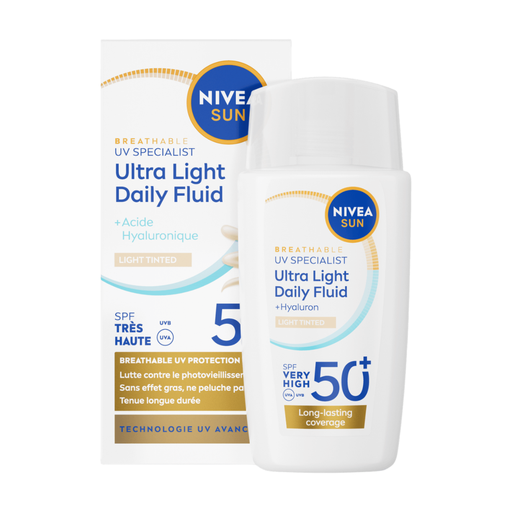
Why this fits the profile: This 40 ml face fluid combines SPF 50+ with a light tint and is designed for daily use. The product description mentions a non-greasy, non-sticky texture that absorbs quickly.
The combination of a concrete SPF number, UVA/UVB mention and tint makes it easier not to rely solely on words like “glow” or “ultra-light”.
SPF 50+, light tint, 40 ml and, according to the product information, suitable for daily use.
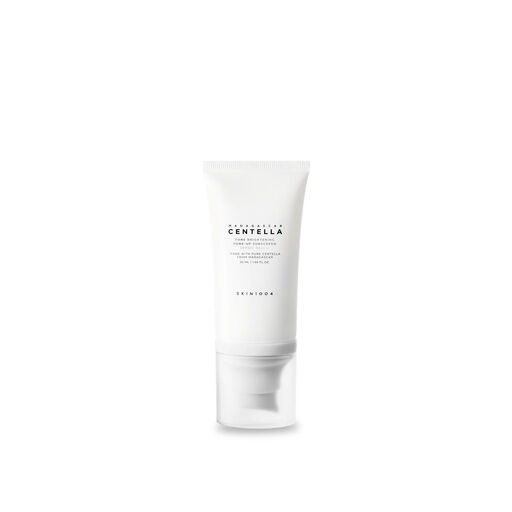
Why this fits the profile: The 50 ml formula states SPF 50+ and PA++++, has a light peach-coloured tint and is intended as the last step in your skincare routine.
The PA++++ rating provides extra information about UVA protection alongside the SPF. The colour correction remains a cosmetic effect and is not presented as a treatment.
SPF 50+, PA++++, peach-coloured tint and a 50 ml size.
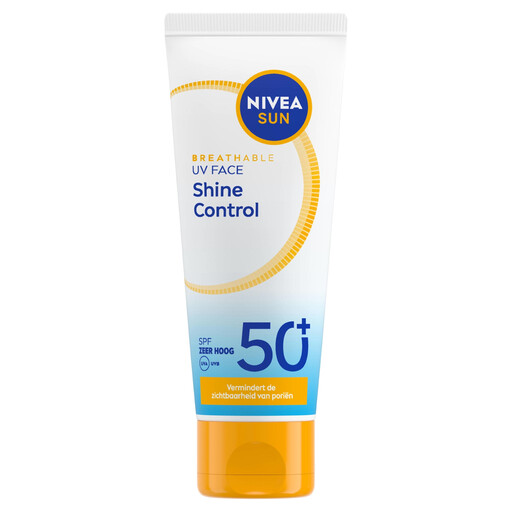
Why this fits the profile: The formula is aimed at a mattifying finish and daily use. That suits an oily or combination skin type, as well as exercising or working in a warm environment.
The product description mentions SPF 50, an invisible finish and a dry-touch texture. Do check whether alcohol and fragrance suit your skin, as both appear in the ingredients list.
SPF 50, mattifying positioning, fast-absorbing formula and, according to the description, suitable under make-up.
We’ve put together a full, up-to-date list of products that fully meet these strict selection criteria and comply with current European safety regulations.
Not in every situation. SPF 30 can be suitable for short daily periods outdoors. SPF 50 is a practical choice for lots of outdoor activity, fair skin or prolonged exposure. More important than the number alone is applying generously and reapplying regularly.
Yes. Choose a light fluid or a formula that is explicitly fast-absorbing and non-sticky. Let your skincare and sunscreen settle properly before applying make-up. A mattifying sunscreen can help with oily skin, while a hydrating formula may suit dry skin better.
Check the expiry date and the symbol on the packaging. Store the tube or bottle in a cool place away from direct sunlight. A change in smell, colour or texture is a reason not to use the product any more. An opened product that has spent a lot of time in a warm bag or car can deteriorate more quickly.
