
Vandaag of morgen in huis

Kwaliteit gegarandeerd

Welkomstaanbiedingen ontgrendelen: GRATIS bezorging | Tot 80% korting | Gratis 30 dagen JoyPlus-proefperiode
Download de app
A good face sunscreen is the cornerstone of any skincare routine. Yet, the search is often frustrating. Shelves are packed with promises, but many products feel sticky, leave a white cast, or cause breakouts. The result? An expensive tube that ends up unused in the cabinet.
As a Product Recommendation Officer at Joybuy, I see the challenges consumers face every day. Before you make a choice, it's wise to understand the most common pitfalls.
To find a product you'll actually enjoy using every day, it's smart to focus on a few objective specifications. These determine the product's effectiveness and how it feels on the skin.
The SPF (Sun Protection Factor) indicates how well a product protects against UVB radiation, the rays that cause sunburn.
Just as important is protection against UVA radiation. These rays penetrate deeper into the skin and are the main cause of skin aging (wrinkles and dark spots). Look for the UVA logo (a circle with "UVA" inside) or, with many Korean sunscreens, the PA rating (PA++++ offers very high protection).
The base of a sunscreen determines how it feels and whether it's suitable for your skin.
Based on these criteria, we have selected several products that suit different user profiles.
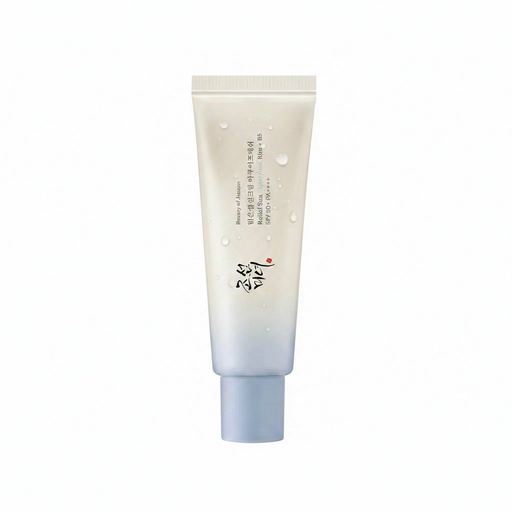
Why This Fits Their Persona: This Korean sunscreen is ideal for anyone who dislikes a heavy or sticky feeling. Its light, watery texture absorbs quickly and is perfect for daily use, even under makeup. It provides high protection without making the skin look shiny.
This product debunks the myth that high SPF is sticky. The formula is specifically designed to be light and non-greasy, making it ideal for oily skin.
SPF 50+ PA++++ for very high UVA/UVB protection. The formula is enriched with rice water and panthenol for hydration and soothing, without leaving a white cast.
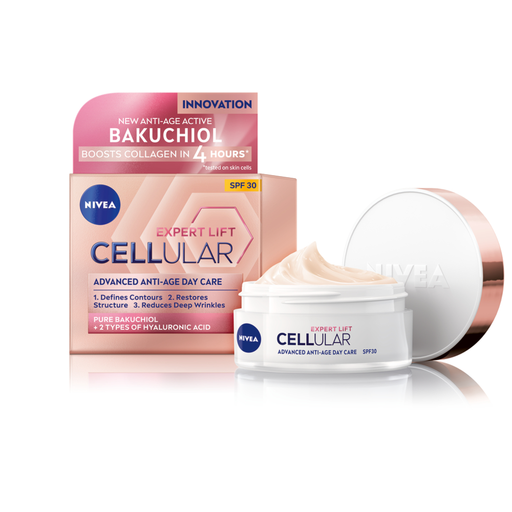
Why This Fits Their Persona: This cream combines sun protection with a targeted anti-aging approach. It's a practical choice for those who don't want to apply multiple layers in the morning but still want the benefits of active ingredients and SPF.
This is more than just a simple day cream with SPF. The formula is specifically developed with powerful anti-aging ingredients, making it a targeted treatment rather than just basic protection.
Contains pure Bakuchiol, which the manufacturer claims supports collagen production, and hyaluronic acid for hydration. The SPF 30 provides solid daily protection.
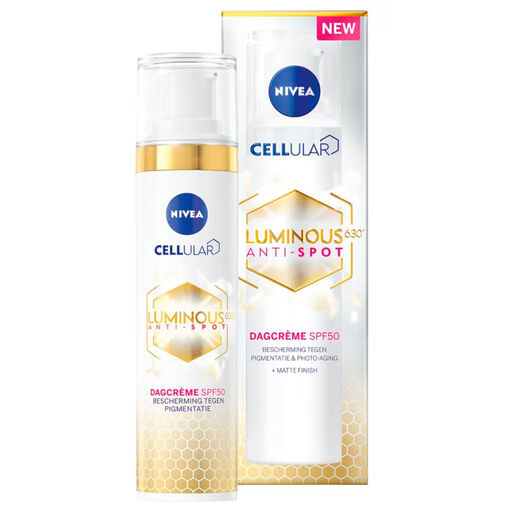
Why This Fits Their Persona: For those who want to reduce existing dark spots and prevent new ones, a high SPF is crucial. This cream combines that high protection with an ingredient specifically aimed at evening out the skin tone.
This product goes beyond a generic "one-size-fits-all" approach. It targets a specific skin concern (dark spots) with a dedicated ingredient, instead of making vague promises.
Contains the NIVEA-patented ingredient Thiamidol, which the manufacturer claims works on existing pigmentation. The high SPF 50 effectively protects against the formation of new sun-induced spots.
We have compiled a complete, up-to-date list of products that meet these selection criteria and current regulations.
A common and practical guideline is the "two-finger rule". Apply a line of sunscreen to your index and middle fingers, from base to tip. This amount is generally sufficient for your face and neck. Applying too little significantly reduces the stated SPF protection.
The skin around the eyes is thin and sensitive. Some sunscreens can sting if they get into your eyes. Look for products that are ophthalmologically tested, which indicates they are suitable for the eye contour area. Alternatively, you can use a special eye cream with SPF.
That depends on the situation. For a normal day spent mostly indoors, a day cream with SPF 30 can be sufficient, provided you apply enough of it. However, if you're spending time in direct sunlight, exercising, or swimming, a separate SPF 50 face sunscreen is a better choice. These are often more resistant to water and sweat and should be reapplied every two hours for continuous protection.
