
Vandaag of morgen in huis

Kwaliteit gegarandeerd

Welkomstaanbiedingen ontgrendelen: GRATIS bezorging | Tot 80% korting | Gratis 30 dagen JoyPlus-proefperiode
Download de app
Finding a good sunscreen for your face can feel like an impossible mission. One is too greasy, another leaves a white cast, and yet another irritates your skin. Many products make big promises but fail to deliver in practice. The result? A tube that ends up at the back of the cabinet after just two uses.
As a Product Recommendation Officer at Joybuy, I see which products are popular and what questions people have every day. To help you make your choice, I've listed the most common pitfalls and explained what you really need to look for.
Pitfall 1: Relying solely on a day cream with SPF A day cream with SPF seems like a convenient two-in-one solution. The problem is that most of us don't apply enough product to achieve the stated protection factor. For effective protection, you need about a quarter of a teaspoon for your face alone, which is often much more than you would use of a regular day cream.
Pitfall 2: Thinking high SPF means sticky and white Fortunately, the image of a thick, white zinc paste that's impossible to spread is a thing of the past. Modern formulas, especially many Korean sunscreens, prove that high protection (SPF 50) can also be comfortable, lightweight, and even completely invisible, without leaving a white cast.
Pitfall 3: Assuming one type of filter works for everyone There is a lot of debate about mineral versus chemical filters. Neither is inherently 'better'; the right choice depends entirely on your skin type and preferences. A product that works for your friend might be completely unsuitable for your skin.
To avoid a purchase you'll regret, it's helpful to know what the specifications on the packaging really mean for your skin.
The SPF (Sun Protection Factor) indicates how well a product protects against UVB radiation, the rays that cause your skin to burn. A sunscreen with SPF 50 offers a high level of protection and is often recommended for daily use on the face.
Just as important is protection against UVA radiation, which penetrates deeper into the skin and plays a major role in skin ageing. Look for the term 'broad-spectrum' or the PA system, often used in Asian products. PA++++ offers the highest level of UVA protection.
This is an important choice that affects the texture and suitability for your skin.
The texture largely determines whether you will enjoy using a product daily.
To give you a concrete idea, we've matched some popular products with specific user profiles.
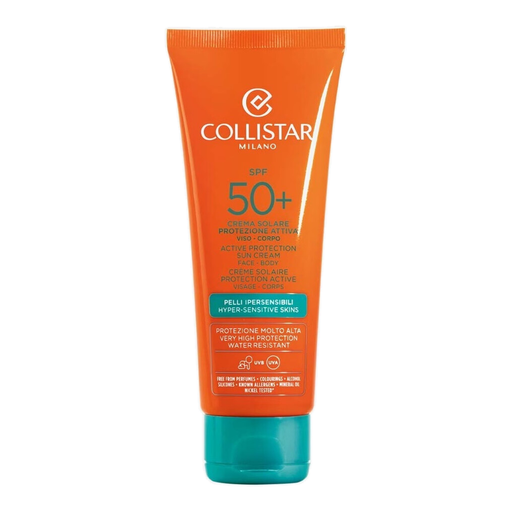
Why This Fits Their Persona: This person has skin that reacts quickly to fragrance or certain filters and is looking for a reliable, calming formula for daily use that won't cause irritation.
This cream is specifically developed for (ultra)sensitive skin, bypassing the pitfall of irritating ingredients. The formula focuses on pure protection without unnecessary additives.
Offers protection against UVA, UVB, and infrared radiation. The formula is water-resistant and also suitable for protecting capillaries and dark spots.
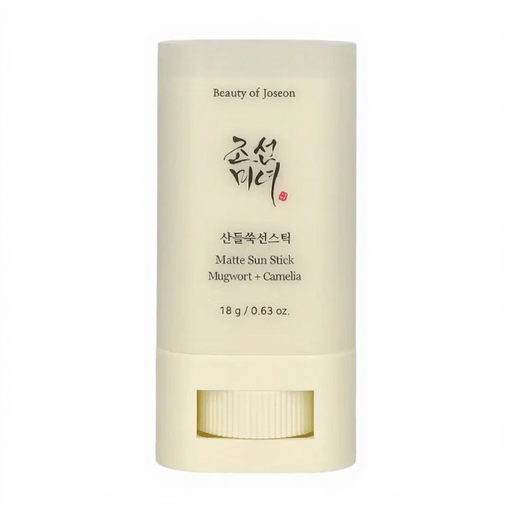
Why This Fits Their Persona: This user follows the latest trends in Korean skincare and wants a product that is effective, looks good, and is above all practical for an active lifestyle. A shiny face is a no-go.
This product proves that high protection doesn't have to be sticky. Its matte finish and stick format make it the perfect alternative to traditional, greasy sunscreens.
Hygienic and easy to apply without using your hands. The formula with sebum-controlling silica powder provides a matte finish, ideal for combination to oily skin.
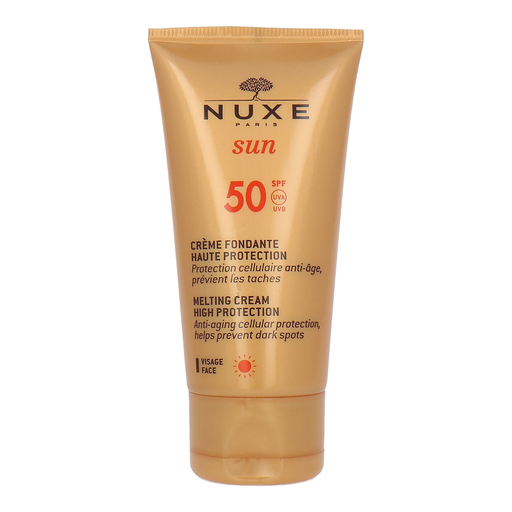
Why This Fits Their Persona: For this person, skincare is a moment of indulgence. They are looking for a product with a pleasant texture and scent that not only protects but also offers active anti-aging benefits.
This product is more than just a sunscreen; it's a nourishing cream that combines the functions of a day cream and sunscreen, but with the high SPF 50 protection often missing from standard day creams.
The formula has a melting texture that feels soft on the skin. It provides both UVA and UVB protection and has hydrating and anti-aging properties.
Are you specifically looking for a sunscreen with a mineral filter? We've compiled a complete list of products that meet our strict selection criteria.
A common guideline is the 'two-finger rule': apply a line of sunscreen to your index and middle fingers. This amount is generally sufficient for your face and neck. Consistency is more important than perfection; it's better to apply a generous amount every day than to occasionally apply a perfectly measured dose.
Check the packaging for an open jar symbol with a number inside (e.g., '12M'). This number indicates how many months the product is good for after opening. If the texture, smell, or colour has changed, it's time to replace the product, regardless of the date. The effectiveness of the filters can decrease over time.
SPF 30 filters about 97% of UVB rays, while SPF 50 filters about 98%. The difference may seem small, but for daily protection and for people with fair or sensitive skin, that extra percentage of protection can make a long-term difference in preventing sun damage. For most situations, SPF 30 provides sufficient protection, provided you apply it generously and regularly. SPF 50 just offers that extra bit of security.
