
Vandaag of morgen in huis

Kwaliteit gegarandeerd

Welkomstaanbiedingen ontgrendelen: GRATIS bezorging | Tot 80% korting | Gratis 30 dagen JoyPlus-proefperiode
Download de app
A face serum can be a useful addition to your daily skincare routine. Its lightweight formula often contains a higher concentration of certain ingredients than a standard moisturiser. However, a long ingredients list doesn’t automatically mean a serum is right for your skin.
Many shoppers come up against the same issues: a serum feels sticky, causes redness or doesn’t work well with the rest of their routine. Use this practical checklist to avoid a disappointing purchase and make a more informed choice between a face serum, a facial ampoule or a Korean skincare serum.
A vitamin C serum with a high percentage may seem appealing, but skin tolerance, the form of vitamin C and the packaging are just as important. A potent formula may not be the best choice if you’re new to serums or have sensitive skin.
So, check the active ingredient and the form used. For example, according to the product information, Vitamin C23 Anti aging serum 20ml contains 23% ascorbic acid, alongside 3-O-Ethyl Ascorbic Acid and panthenol. The packaging also recommends a patch test and says the product should be kept refrigerated.
Terms such as anti-ageing serum, serum for an even-looking complexion and serum for dark spots describe what a product is intended for, not a guaranteed result. A brand’s own research may show visible improvements under certain conditions, but that doesn’t mean everyone will experience the same effect.
So, check the INCI list, the amount of product and the directions for use. Ingredients such as hyaluronic acid, niacinamide, tranexamic acid, vitamin C and peptides have different roles in a skincare routine. If you don’t yet know how your skin will respond, avoid using several potent active formulas at once.
Some serums are sensitive to light, heat or air. A vitamin C serum may therefore have different storage instructions from a hydrating serum. Always check the expiry date, the period after opening and the instructions on the packaging. A single-use ampoule should generally be used immediately after opening.
A hydrating serum containing glycerine, panthenol or hyaluronic acid is often a good fit for dry skin. According to product descriptions, a hyaluronic acid serum helps the skin’s surface retain moisture, but it doesn’t replace a cream. Apply a moisturiser after your serum to finish your routine.
If you have sensitive skin, it’s worth checking for fragrance, alcohol denat. and a long list of active ingredients. A serum for sensitive skin isn’t automatically suitable for everyone. Test a new product on a small area of skin first, and stop using it if irritation persists.
Choose one main goal:
Check whether a percentage is actually stated on the packaging or in the official product information. Don’t mistake a brand claim for a guaranteed result.
A pump dispenser can be hygienic and practical. A glass pipette gives you control over the amount, but exposes the formula to air more often. Single-dose ampoules are handy for a short course of treatment, but less flexible for everyday use.
Also check the amount: a 100 ml bottle may be good value if you follow a simple daily routine, while a set of 10 or 30 ampoules may be better for occasional or intensive use.
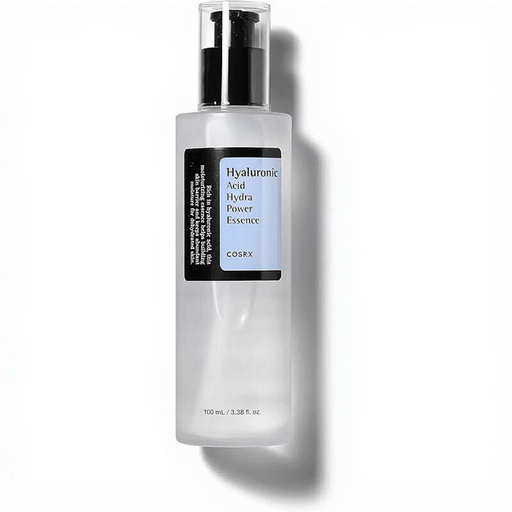
Why it suits this profile: The formula is straightforward and focused on hydration. According to the product information, the serum contains sodium hyaluronate, panthenol and allantoin, and can be used in the morning and evening.
Rather than choosing a complicated combination of potent actives, you get a serum with one clear purpose: adding moisture to your routine.
100 ml, 2–3 drops per application according to the description, and a short ingredients list.
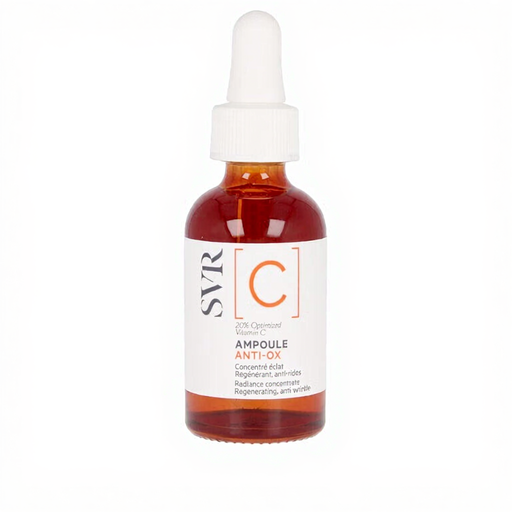
Why it suits this profile: This serum is designed to target a dull-looking complexion and, according to the product description, contains 20% optimised vitamin C, 3-O-Ethyl Ascorbic Acid and sodium hyaluronate.
The product information specifies both the form of vitamin C and the dispenser. This means you can assess the concentration, ingredients and ease of use together.
30 ml, described as non-comedogenic, with a dispenser for controlled application.
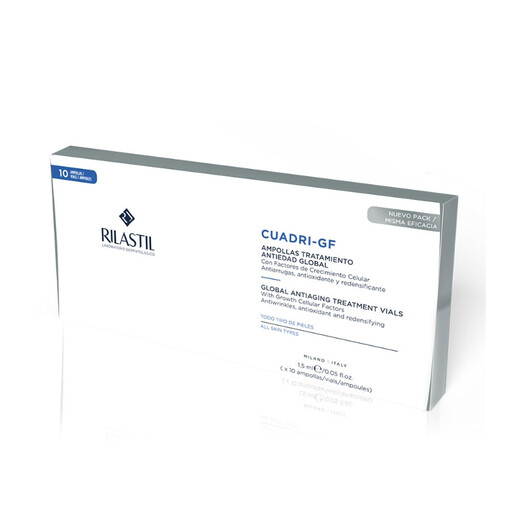
Why it suits this profile: The 10 single-dose ampoules are intended for a concentrated course of treatment. According to the product information, they contain ingredients including sodium hyaluronate, oat extract and peptides.
Each dose is opened separately. This limits how long the full supply is exposed to air and means you don’t need to store an opened ampoule.
10 individual doses, described as fragrance-free, with instructions to use each ampoule immediately after opening.
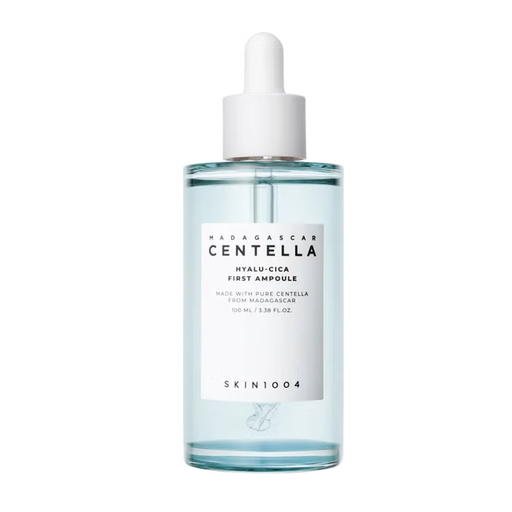
Why it suits this profile: According to the product information, this ampoule is intended for normal, dry and sensitive skin. Its formula contains centella asiatica and several forms of hyaluronic acid.
The choice is based on skin type, texture and ingredients, rather than a claim about brightening or anti-ageing alone.
Lightweight texture, 50 ml, and listed as suitable for normal, dry and sensitive skin.
We’ve put together a full, up-to-date list of products that meet these strict selection criteria and current European safety requirements.
Apply a face serum after cleansing and, if you use one, toning, but before your moisturiser. Usually, a few drops are enough, or use the amount stated on the label. If your daytime routine includes vitamin C, brightening ingredients or a serum for dark spots, you should also use a sunscreen with an appropriate SPF.
If you have sensitive skin, start by using it every other day. Don’t immediately combine several active serums, such as a vitamin C serum, retinol and exfoliating acids. It’s a good idea to patch test a new formula. If you experience a burning sensation, swelling or persistent redness, stop using the product and seek medical advice if needed.
Use it after cleansing and before applying a cream. A hydrating serum feels good on slightly damp skin, unless the packaging gives different instructions. Finish your daytime routine with sun protection.
It depends on the formula. Check the open-jar symbol, expiry information and instructions on the packaging. Vitamin C formulas can be particularly sensitive to light and heat. Store them as directed by the manufacturer.
No. Compare the ingredients, amount, concentration, packaging and directions for use with your skincare goals. A simple hyaluronic acid serum may make more sense for hydration, while an ampoule with vitamin C or arbutin may be a better fit for a routine aimed at a more even-looking complexion.
