
Vandaag of morgen in huis

Kwaliteit gegarandeerd

Welkomstaanbiedingen ontgrendelen: GRATIS bezorging | Tot 80% korting | Gratis 30 dagen JoyPlus-proefperiode
Download de app
A face serum may seem simple: apply a few drops after cleansing, followed by a cream. Yet many people buy a product that does not suit their skin type, contains too many active ingredients or ends up sitting unused in the bathroom after a few weeks. The right choice therefore starts not with an eye-catching promise on the packaging, but with your skin’s needs, the ingredients list and the instructions for use.
A serum containing lots of active ingredients is not automatically suitable for daily use. Retinol, retinal, acids and azelaic acid can cause irritation for some users. So check where an ingredient appears in the INCI list, as well as the warnings and recommended introduction schedule for the product.
A retinol serum or retinal serum often needs to be introduced gradually. If you use several powerful products at the same time, it becomes harder to determine what is causing redness, dryness or a tight feeling.
Terms such as “anti-ageing”, “repairing” or “radiant skin” often describe the aim of a formula, but do not guarantee the same results for every skin type. According to a brand’s own research or product information, certain ingredients may contribute to the stated appearance; this should not be confused with a medically proven effect.
Pay particular attention to verifiable information:
A hydrating serum does not have to feel greasy. Hyaluronic acid, glycerine, panthenol and betaine are often used in water-based formulas. An oil- or silicone-based serum may help create a smoother feel, but it serves a different purpose from a lightweight serum for dehydrated skin.
Apply a face serum after cleansing and, if desired, toner, before moisturiser. Do not introduce several new active products at once. Check the packaging for the expiry date and the open-jar symbol. Store the serum as directed, usually in a cool, dry place away from direct sunlight.
Retinol and retinal are usually used in the evening. Product information for retinol and retinal formulas generally recommends starting with a few applications per week. Sun protection during the day is important because these ingredients can increase sensitivity to the sun. During pregnancy or breastfeeding, follow the warning on the label and consult a healthcare professional if in doubt.
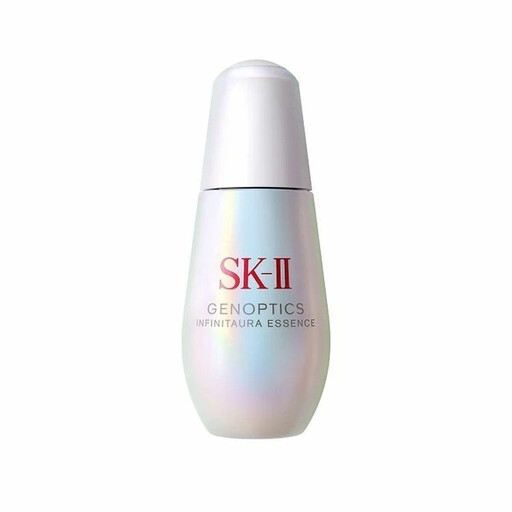
Why it suits this profile: If you are looking for a concentrated formula and a larger size, this serum contains 50 ml, niacinamide and bisabolol, according to the brand’s product description.
The product page clearly states the variant, contents and intended use. However, always check the current packaging and complete INCI list.
50 ml contents; a lightweight texture that, according to the product information, can be applied under a moisturiser.
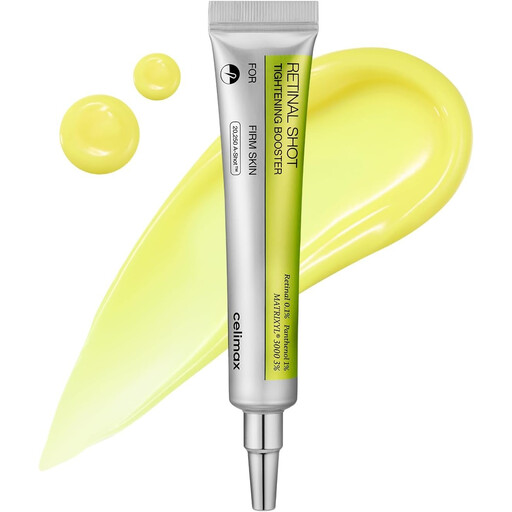
Why it suits this profile: This retinal serum is intended for users who want to incorporate a vitamin A derivative into their evening routine and are prepared to build up usage gradually.
The instructions recommend starting with evening use and applying a small amount. This helps prevent over-application and introducing it too quickly.
15 ml contents; 0.1% retinal and 3% Matrixyl 3000 according to the product information.
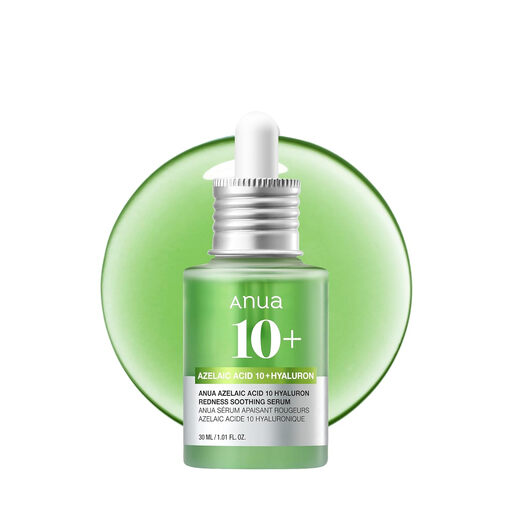
Why it suits this profile: According to the ingredients list, this formula combines 10% azelaic acid with panthenol, hyaluronic acid, centella and ceramide NP. This makes it suitable for a targeted routine focused on redness and hydration.
The instructions recommend starting with 1–2 drops once or twice a week. This allows you to assess your skin’s tolerance gradually.
30 ml contents; a combination of azelaic acid, panthenol, centella and hyaluronic acid.
We have put together a complete, up-to-date list of products that fully meet these strict selection criteria and the applicable European safety regulations.
A HAIR SERUM is not an alternative to a face serum. Hair serums are intended for the lengths and ends of the hair, not for facial skin. According to the product information, the ghd Dramatic Ending Smooth & Finish Hair Serum contains silicones and perfume allergens such as limonene and linalool. Apply the product to dry hair, avoid the roots and follow the warnings on the packaging.
The CP-1 Premium Silk Essence Ampoule is also intended for hair care. The formula contains keratin, collagen, elastin and conditioning agents, among other ingredients. So if your main aim is to reduce frizz or add shine, look for a hair serum rather than a facial skincare product.
Cleanse your face, apply a few drops of serum and follow with a moisturiser. Use sun protection during the day when advised in the product information, particularly with retinol or retinal. Introduce one new product at a time.
Check the expiry date and open-jar symbol on the packaging. A symbol such as 6M generally means that the product can be used for six months after opening, provided it is stored correctly. The packaging takes precedence.
No. The price does not determine whether the formula suits your skin. Compare the contents, ingredients, frequency of use, tolerance and shelf life. A simple hyaluronic acid serum may be a more logical choice for hydration than a complex anti-ageing serum containing several active ingredients.
