
Vandaag of morgen in huis

Kwaliteit gegarandeerd

Welkomstaanbiedingen ontgrendelen: GRATIS bezorging | Tot 80% korting | Gratis 30 dagen JoyPlus-proefperiode
Download de app
A face serum can be a useful addition to a simple skincare routine, but an expensive bottle packed with active ingredients is not automatically suitable for your skin. Particularly in K-beauty serums and Korean skincare, terms such as “glow”, “barrier repair” and “refined pores” are often used broadly. The product description therefore does not tell the whole story.
The main pitfalls are:
Start with one specific need. For tight-feeling skin, for example, a hydrating serum containing glycerine, panthenol or hyaluronic acid is a better choice than a strongly exfoliating formula. If your main concern is an uneven complexion or visible blemishes, you could consider a brightening serum containing niacinamide, tranexamic acid, a vitamin C derivative or azelaic acid.
Pay attention to the difference between a product feature and a results claim. “Contains 10% azelaic acid” is verifiable. “Removes impurities” is a much broader promise. A brand’s own research may have observed certain visible improvements, but that does not automatically make the claim predictable for every user.
The first ingredients are generally present in the highest concentration, although the exact amount is not always stated. Also check whether the formula contains substances you have reacted sensitively to in the past, such as fragrance, essential oils or certain preservatives.
For a serum for sensitive skin, a short formula and a gentle usage schedule are often more practical. SKIN1004’s Madagascar Centella Ampoule, for example, lists Centella Asiatica Extract as a key ingredient. The ingredients list also includes water, butylene glycol and glycerine, among others. This tells you something about the composition, but it does not mean that every sensitive skin type will tolerate the product without problems.
Compare the volume, dispensing method and shelf life after opening. A 30 ml bottle may seem good value, but with generous daily use it could run out sooner than a 50 or 100 ml ampoule. A face ampoule often serves the same purpose as a serum, but may have a different texture or concentration.
Check the packaging for:
A patch test on a small area of skin is sensible when trying a new formula. Stop using it if you experience persistent redness, a burning sensation, itching or swelling, and ask a doctor or pharmacist for advice if in doubt.
A serum for blemishes, a serum for enlarged pores and an anti-ageing serum do not have the same priorities. A lightweight, watery formula can feel pleasant on oily or combination skin. For dry or mature skin, a milky texture with soothing and moisture-binding ingredients may be a better fit.
Do not use several strong actives at the same time if you do not yet know how your skin will react. For example, do not immediately combine a retinol serum with an acid product and a vitamin C serum in the same routine. Introduce one product gradually, assess your skin’s tolerance and only then consider adding something else.

Why it suits this profile: A compact 30 ml formula for anyone who wants to try niacinamide without immediately buying several serums. The product description states that it can be used for oily, blemish-prone, normal, sensitive, combination, dry and mature skin.
The composition is clearly stated as niacinamide 10% + zinc 1%. Start by using a small amount and do not use it at the same time as a direct vitamin C formula, as indicated in the usage information.
30 ml volume; niacinamide 10% and zinc 1% specified; suitable for morning or evening use according to the product information.
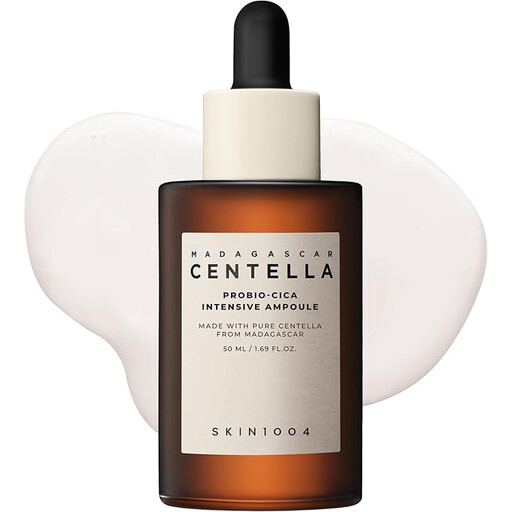
Why it suits this profile: The 95 ml volume is ideal for users who want to use an ampoule every day and order a new bottle less often.
The product information describes an alcohol-free formula without fragrance or essential oils. Always check the packaging, however, particularly if you have reacted to ingredients in the past.
95 ml volume; Centella Asiatica listed as an ingredient; product information states that it is free from alcohol, fragrance and essential oils.
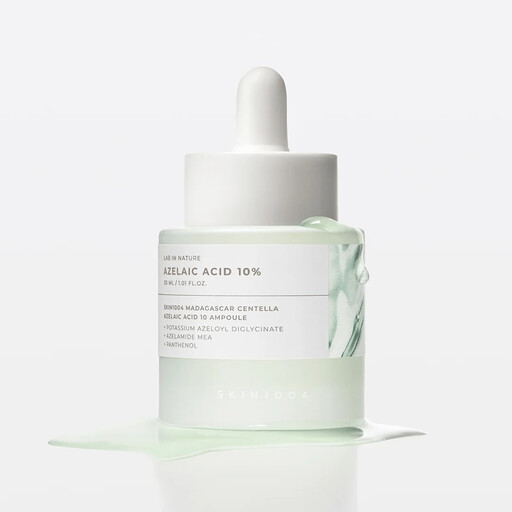
Why it suits this profile: This small ampoule is aimed at users specifically looking for an azelaic acid serum for oily, blemish-prone or sensitive skin who want to introduce it gradually.
The formula contains 10% azelaic acid and advises starting every other day during the first week. This helps prevent you from using too much product or applying it too frequently from the outset.
10% azelaic acid; niacinamide-free formula according to the product description; 9 ml volume for targeted use.
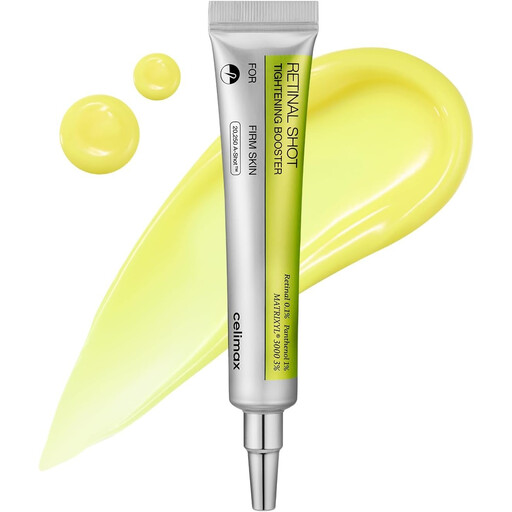
Why it suits this profile: The product description states that it contains 0.1% retinal and recommends using it in the evening. This suits anyone who wants to incorporate a retinal product deliberately and can maintain a simple routine.
The instructions recommend using it every other evening for the first two weeks and reducing use if irritation occurs. Retinal can increase sensitivity to the sun, so use sunscreen during the day.
15 ml volume; 0.1% retinal according to the product description; clear evening routine with gradual introduction.
We have put together a complete, up-to-date list of products that fully meet these strict selection criteria and the applicable European safety regulations.
First cleanse your face, then apply a small amount of serum. Follow with a moisturiser. A product containing retinol or retinal is generally used in the evening according to the packaging. During the day, sun protection should be part of your routine when the product may increase sun sensitivity.
Check the expiry date and the period-after-opening symbol on the packaging. Store the serum in a cool, dry place away from direct sunlight, and close the packaging properly. Vitamin C derivatives and retinoids require extra care when it comes to storage and discolouration. Do not use a product if its smell, colour or texture changes noticeably.
The price depends on the volume, ingredients, packaging and brand. Compare the price per millilitre rather than looking only at the figure on the price tag. A simple formula with one key ingredient may be more practical for your routine than several serums containing overlapping active ingredients.
